Most leaders treat their bodies as a life-support system for their brains. They optimize their calendars, refine their decision-making frameworks, and obsess over quarterly KPIs, yet they ignore the primary hardware that processes every one of those inputs. This is a fundamental error in strategic resource allocation. Physicality is not a hobby or an aesthetic pursuit; it is the baseline capacity for operational endurance.
If you view your physical state as a fixed variable, you are operating at a self-imposed ceiling. High-performance thinking is energy-intensive. When your physiology is compromised by poor recovery, sedentary habits, or inflammatory lifestyle choices, your cognitive bandwidth shrinks. You become reactive rather than proactive. You lose the ability to maintain the emotional distance required for high-stakes strategy.
The Architecture of Cognitive Output
Cognition is not a purely abstract activity. It is a metabolic process. The prefrontal cortex—the seat of executive function—is notoriously greedy for glucose and oxygen. When you push for long-term execution, you are essentially asking your body to maintain a high-output state under pressure. If your physical foundation is weak, your executive function will be the first thing to degrade.
Consider the mechanism of decision fatigue. It is often described as a psychological phenomenon, but it is largely a physiological one. When your blood sugar fluctuates wildly or your sleep architecture is fragmented, your ability to regulate impulses and assess risk declines. You start taking shortcuts. You accept the first viable option rather than the optimal one. You lose your edge.
To achieve true operational excellence, you must treat your body like a piece of high-value equipment. Just as you would not run a server farm on outdated hardware, you cannot run a high-performance career on a neglected nervous system. This requires a shift from “exercise” to “physical maintenance.”
Beyond Aesthetics: The Metrics of Physicality
In a business context, we measure what we value. If you value your capacity to lead, you must track the markers of your physical vitality. This is not about vanity or body fat percentages; it is about objective markers of biological efficiency.
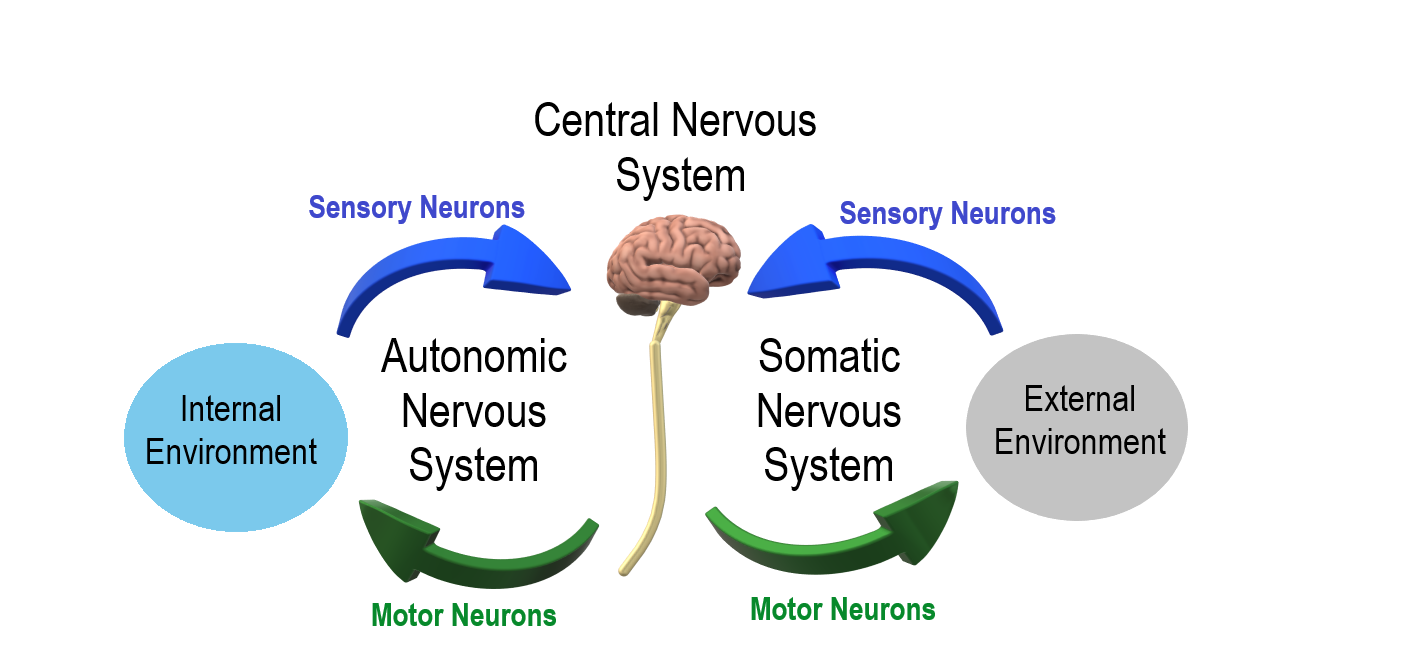
Heart Rate Variability (HRV): This is the most reliable proxy for your autonomic nervous system’s state. A plummeting HRV is a leading indicator that you are approaching burnout, regardless of how “fine” you feel.
Resting Heart Rate: A barometer for your cardiovascular efficiency and your body’s ability to recover from the stress of the workday.
Sleep Quality: Not just duration, but the depth of REM and deep sleep. This is where memory consolidation occurs and where the brain flushes out metabolic waste.
When you align your lifestyle with these metrics, you gain a competitive advantage. You become less susceptible to the volatility of high-pressure environments. You maintain a steady hand when others are trembling.
Operationalizing Physical Discipline
The most effective leaders integrate physicality into their daily routine not through brute force, but through structured systems. This is about creating a feedback loop where your physical state reinforces your professional objectives.
The Primacy of Recovery
Most leaders overestimate their ability to recover. They treat sleep as optional and downtime as “wasted time.” This is a failure of logic. Recovery is when the adaptation happens. If you train hard but fail to recover, you are not getting stronger; you are merely accumulating fatigue. Structured recovery—whether through sleep hygiene, nutrition, or active movement—is the period where you solidify your gains in cognitive capacity.
Movement as Cognitive Prime
Use movement to solve problems, not just to burn calories. Many of the most complex strategic breakthroughs occur not at a desk, but during periods of low-intensity physical activity. Walking or resistance training shifts the brain from a focused, narrow state to a diffuse, creative state. This is where you connect disparate data points and identify the patterns that others miss. Integrate movement into your workflow as a tool for synthesis.
The Responsibility of the Leader
Your team mirrors your energy. If you are frantic, exhausted, or scattered, that state will permeate your organization. Conversely, a leader who exhibits high physical composure acts as an anchor in a chaotic environment. Your physicality is a signal to your organization about your level of self-mastery. If you cannot manage your own biological machine, why should anyone trust you to manage millions of dollars in capital or a team of talented people?
Stop viewing your health as a separate silo from your business. They are the same system. When you elevate your physical baseline, you elevate your capacity for execution, your resilience against stress, and your clarity in the face of uncertainty. That is the definition of a high-performance mind.