The Somatic Negotiator: Why Your Physiology is Your Greatest Competitive Advantage
— by
Steven Haynes
The Somatic Negotiator: Why Your Physiology is Your Greatest Competitive Advantage
In the world of high-stakes leadership, we treat our bodies like biological life-support systems for our brains. We optimize the mind with nootropics and data, but we leave the hardware—the physical vessel of our leadership—to fend for itself. While the Alexander Technique teaches us to stop the habitual collapse of our structure, there is a more advanced, contrarian frontier: the weaponization of your somatic state in high-stakes environments.
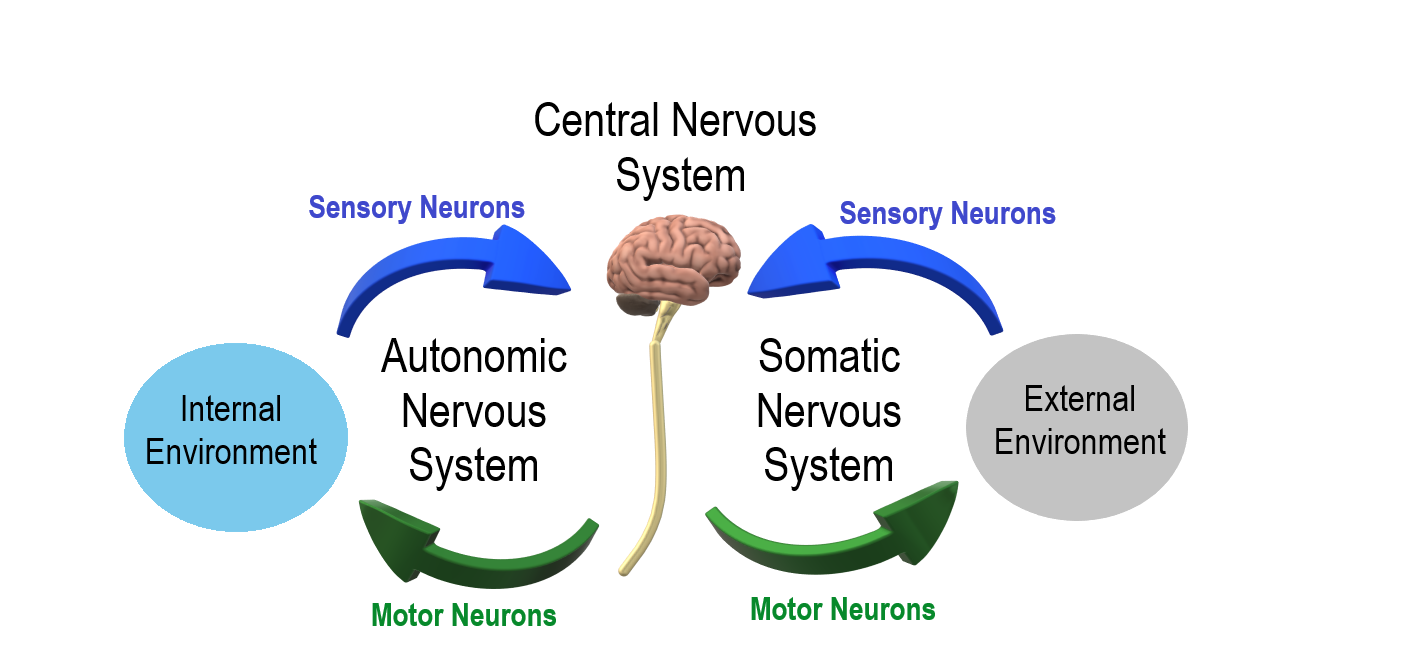
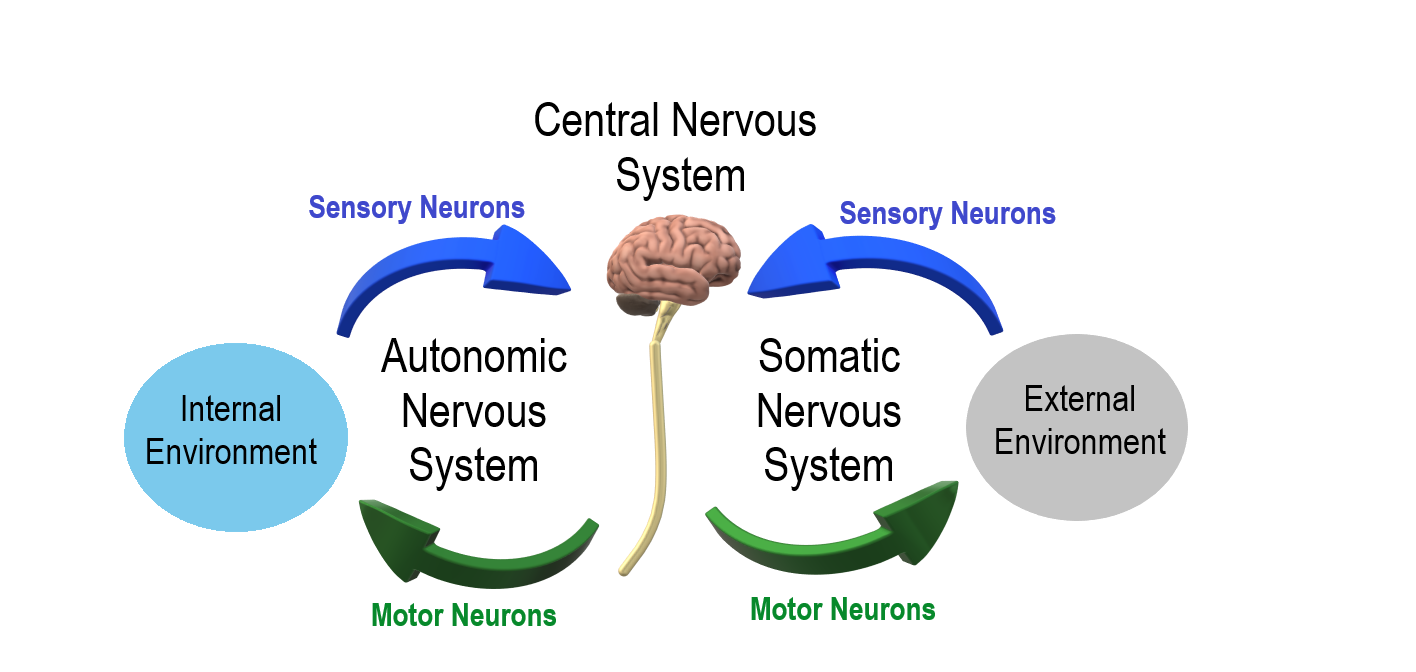
Most executives believe that negotiation and presence are intellectual feats. They aren’t. They are visceral. When you step into a room, you are not just presenting an argument; you are presenting a nervous system. If your physical state is one of chronic, high-frequency sympathetic arousal, you are leaking signals of instability that your counterpart’s subconscious will detect—and exploit—instantly.
The Myth of the ‘Poker Face’
We are taught to maintain a ‘poker face’—a mask of neutrality. But the body doesn’t lie. Even if your face is perfectly stoic, your diaphragm might be locked, your gaze may be fixed (tunnel vision), or your weight distribution may be favoring a defensive, slightly retracted posture. This is ‘micro-leakage.’
To achieve an elite level of influence, you must move beyond posture correction and into Somatic Intelligence. This is the ability to intentionally manipulate your physical architecture to modulate the neurochemistry of everyone in the room.
1. The ‘Coherence’ Variable
In the Alexander Technique, we discuss the ‘Primary Control’—the relationship between head, neck, and back. In leadership, this becomes a tool for social regulation. When you hold your own structure with ease rather than tension, you radiate a ‘calm-alert’ state. Research in mirror neurons suggests that your counterparts will subconsciously attempt to match your physiological state. If you are ‘lengthened’ and grounded, you literally pull the room into a more coherent, less reactive state. You aren’t just sitting; you are setting the frequency of the negotiation.
2. The Counter-Intuitive Power of Peripheral Vision
High-stress, tunnel-vision focus is the enemy of the executive. When the pressure mounts, we collapse into a narrow, predatory field of vision. This is the ‘startle’ reflex in motion. To hack this, use a somatic technique I call Panoramic Awareness. While listening to a counterpart, soften your gaze and consciously notice the edges of the room. This physical widening of the visual field triggers the parasympathetic nervous system, allowing you to stay sharp without the cortisol spike. It is the ultimate antidote to the ‘fawn or fight’ response in a boardroom.
3. The Somatic Audit: A Framework for Influence
Don’t just observe your tension; audit your state for its tactical utility before you speak. Before you deliver a high-stakes pitch or navigate a crisis, run this three-point somatic check:
Rootedness: Are you gripping the floor with your toes, or is your weight evenly distributed? Tension in the feet creates a ‘leaning’ energy that signals insecurity. Find your heels.
Respiratory Freedom: Are you holding your breath in anticipation of a rebuttal? If you stop breathing, your brain loses its tactical edge. Deliberately exhale before you speak.
Relational Space: Are you ‘reaching’ toward your audience with your chin, or are you ‘occupying’ your space? Leaning forward is a tactical mistake; it signals a need for approval. Lengthening your spine while remaining in your seat signals absolute authority.
The Conclusion: Your Body is the Message
Stop viewing your posture as a health issue and start viewing it as a communication strategy. The most powerful executive in the room is the one who can remain the most physically ‘un-collapsed’ under fire. By integrating this somatic awareness into your daily workflow, you cease to be a reactive machine governed by stress and become a conscious architect of the environments you inhabit. True power is not found in what you say—it is found in the physical presence that makes your words undeniable.



Leave a Reply