For decades, the executive playbook for resource management has focused on a singular, defensive goal: securing the pipe. We have spent billions on diversifying suppliers, mapping supply chain tiers, and building geopolitical intelligence units to prevent the ‘stop’ in the flow of raw materials. But resilience, while necessary, is a defensive posture. It keeps you in the game; it does not win it.
The Myth of Perpetual Extraction
The traditional model assumes that the path to operational success is paved by securing cheaper, more consistent access to virgin resources. This is a strategic trap. As geopolitical friction increases, the cost of securing these ‘long’ supply chains—logistically, diplomatically, and through ESG risk mitigation—is ballooning. The volatility of global trade isn’t a temporary cycle; it is a permanent feature of a world where resource nationalism is rising.
Circularity as Competitive Advantage
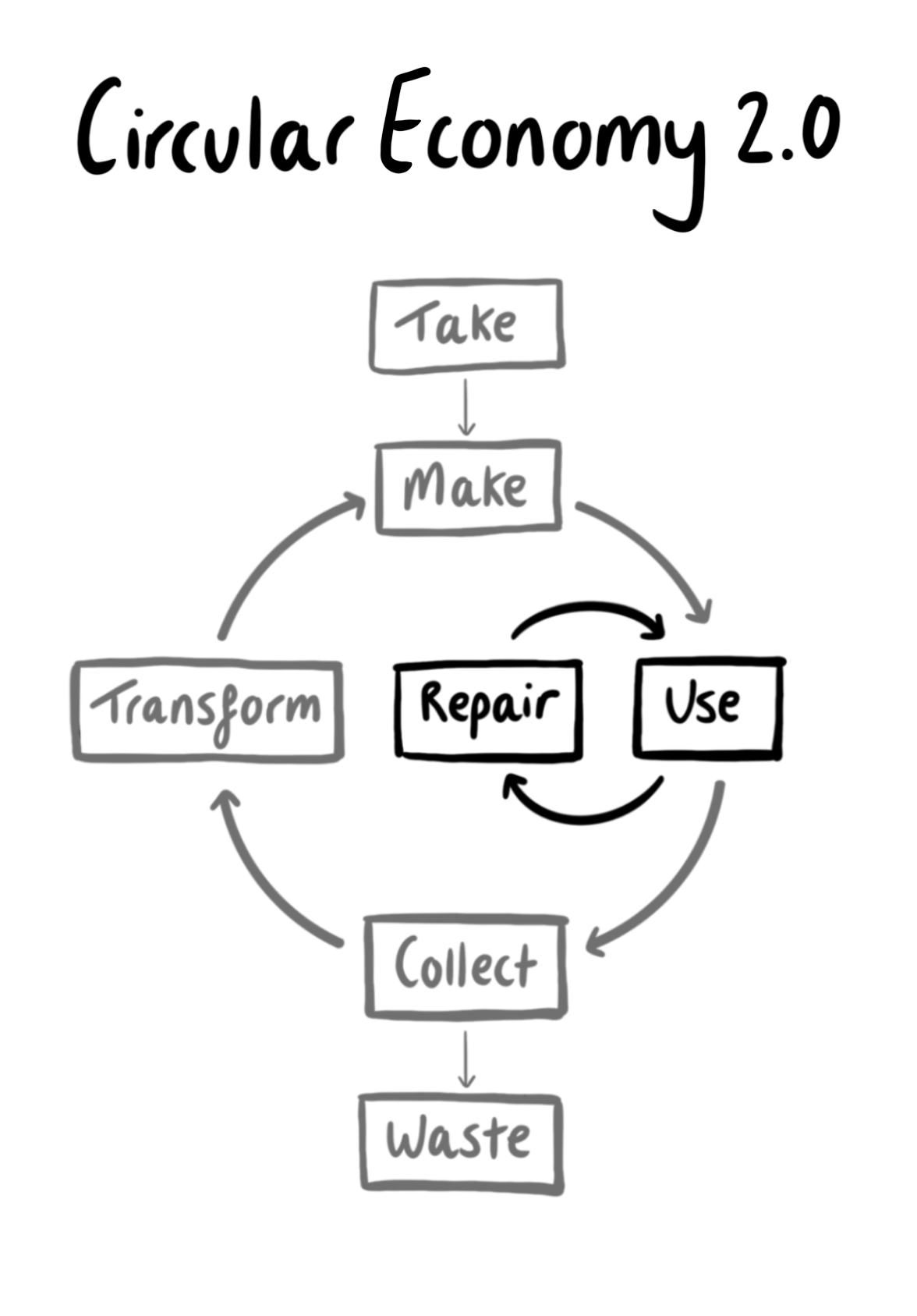
The contrarian take for the modern leader is not to perfect the procurement of raw materials, but to render the need for them obsolete. Leaders at The BossMind Network are beginning to look at resource circularity—the ability to reclaim, refine, and re-integrate materials into the production cycle—not as an environmental initiative, but as an offensive strategy to eliminate geopolitical risk.
Moving From Procurement to Urban Mining
Imagine a supply chain where 30% of your critical inputs come from your own end-of-life products rather than offshore mines. By investing in reverse logistics and advanced material recovery, companies transform from passive victims of global trade volatility into their own internal suppliers. This shift offers three critical advantages:
Sovereignty: You are no longer beholden to the export controls or trade disputes of foreign nations.
ESG Alpha: By shortening the loop, you gain total visibility into the environmental footprint of your materials, turning regulatory compliance into a verifiable brand asset.
Margin Stability: You insulate your balance sheet from the catastrophic price swings of commodity markets by securing a secondary, internal supply of materials.
The Executive Imperative: The Shift to ‘Closed-Loop’ Leadership
The leaders of the next decade will not be defined by their ability to negotiate better trade agreements, but by their ability to redesign products for modularity and recovery. Operational excellence is evolving from ‘just-in-time’ to ‘forever-in-system’. It requires a radical redesign of your corporate architecture, moving R&D and supply chain teams out of their silos to focus on a unified goal: resource independence.
As the fragility of global trade continues to test the limits of traditional procurement, the winners will be those who stop fighting the current of resource scarcity and start building their own internal reservoir of value. Your competitive moat is no longer how well you navigate the world’s supply chains; it is how well you can build one that never leaves your control.
Refining your organizational strategy requires a move away from reliance on external instability. Explore how your executive team can transition toward circular operations at thebossmind.com.