Building Resilience in Nanotechnology Supply Chains
— by
Steven Haynes
Contents
1. Introduction: Defining the intersection of nanotechnology and supply chain management.
2. Key Concepts: Defining resource-constrained resilience and the unique volatility of nanomaterial inputs.
3. Step-by-Step Guide: Implementing a resilience framework for high-tech manufacturing.
4. Case Studies: Real-world applications in battery production and semiconductor supply chains.
5. Common Mistakes: Over-reliance on JIT (Just-in-Time) and failure to account for material purity variance.
6. Advanced Tips: Predictive analytics and circular economy integration.
7. Conclusion: The strategic imperative for long-term sustainability.
***
Building Resilience in Resource-Constrained Nanotechnology Supply Chains
Introduction
The nanotechnology sector operates at the frontier of innovation, yet it faces a paradox: while the materials it produces are revolutionary, the supply chains required to create them are notoriously fragile. From carbon nanotubes to quantum dots, the inputs for advanced nanotechnology are often sourced from highly concentrated geographic regions and require extreme precision in purity and consistency. When a single bottleneck occurs—whether due to geopolitical instability, trade restrictions, or raw material scarcity—production grinding to a halt is not a possibility; it is a probability.
For organizations operating in this space, building resilience is no longer an optional strategic exercise. It is a fundamental requirement for survival. A resource-constrained resilience model moves beyond standard inventory management, focusing instead on the agility of the material pipeline and the mitigation of systemic vulnerabilities inherent in high-tech manufacturing.
Key Concepts
Resource-Constrained Resilience refers to the ability of a supply chain to maintain output despite severe limitations in raw material availability, skilled labor, or specialized processing equipment. Unlike traditional supply chains that rely on volume, nanotechnology supply chains rely on precision.
Material Criticality: In nanotechnology, a lack of substitute materials is common. If a specific grade of precursor chemical is unavailable, the entire production process may fail. Resilience here means mapping the “dependency web” rather than just the tier-one suppliers.
Volatility Buffering: This is the strategic deployment of safety stock and alternative sourcing pathways specifically designed to absorb shocks in the procurement of rare-earth elements or specialized precursors, ensuring that R&D and production remain decoupled from supply shocks.
Step-by-Step Guide
Conduct a Deep-Tier Dependency Audit: Move beyond your immediate suppliers. Map the entire value chain down to the mine or the primary chemical processor. Identify which materials are “single-source,” meaning they have no viable immediate alternatives.
Quantify Material Sensitivity: For every nanomaterial product, document the “purity-to-performance” ratio. Determine exactly how much lead time is required to requalify a new supplier if your primary source fails.
Establish Dynamic Buffer Stock Levels: Instead of fixed safety stock, implement a dynamic model based on geopolitical risk indicators. If a region providing a critical precursor shows signs of instability, automatically trigger a procurement increase.
Diversify Procurement Geographies: Avoid “cluster risk.” If 80% of your graphene precursors come from one specific trade corridor, prioritize the development of secondary suppliers in different regulatory or geographic jurisdictions, even if they come at a higher cost.
Implement Digital Twin Simulation: Create a digital model of your supply chain to run “stress tests.” Simulate the impact of a 30-day shutdown of a key chemical supplier to see where your production line breaks first.
Examples or Case Studies
The Battery Precursor Crisis: Consider a manufacturer of lithium-ion batteries incorporating silicon-anode nanotechnology. When supply chains for high-purity silane gas were disrupted, companies relying on “Just-in-Time” delivery saw production stalls lasting months. Conversely, firms that had invested in “Resilience-by-Design”—having pre-validated secondary suppliers in different continents—were able to switch sources within weeks, minimizing total production loss.
Semiconductor Nanocoatings: A leading firm producing advanced anti-reflective nanocoatings faced a shortage of a rare precursor chemical. By utilizing a resource-constrained model, they had already established a joint venture with a research university to develop a synthetic alternative. While the alternative was initially more expensive, the investment prevented a complete shutdown of their primary assembly line, proving that resilience pays for itself during market volatility.
Common Mistakes
Over-reliance on JIT (Just-in-Time): While JIT is excellent for lean manufacturing, it is the enemy of resilience in nanotechnology. Attempting to keep inventory levels near zero in a sector with volatile supply and long lead times is a recipe for disaster.
Ignoring “Hidden” Bottlenecks: Companies often focus on the most expensive materials while ignoring low-cost, high-impact chemicals. If a $10 reagent is essential for a $10,000 component, the $10 reagent is your critical bottleneck.
Failing to Re-qualify Alternatives: It is not enough to find a new supplier. In nanotechnology, material consistency is everything. Many firms fail because they identify a new source but wait until a crisis occurs to begin the months-long validation process for material purity.
Advanced Tips
Predictive Analytics Integration: Utilize AI-driven market intelligence tools to monitor real-time shipping data, geopolitical news, and trade policy shifts. When the system detects a high probability of a disruption in a specific region, your procurement team should receive an automated alert to initiate “Plan B” protocols.
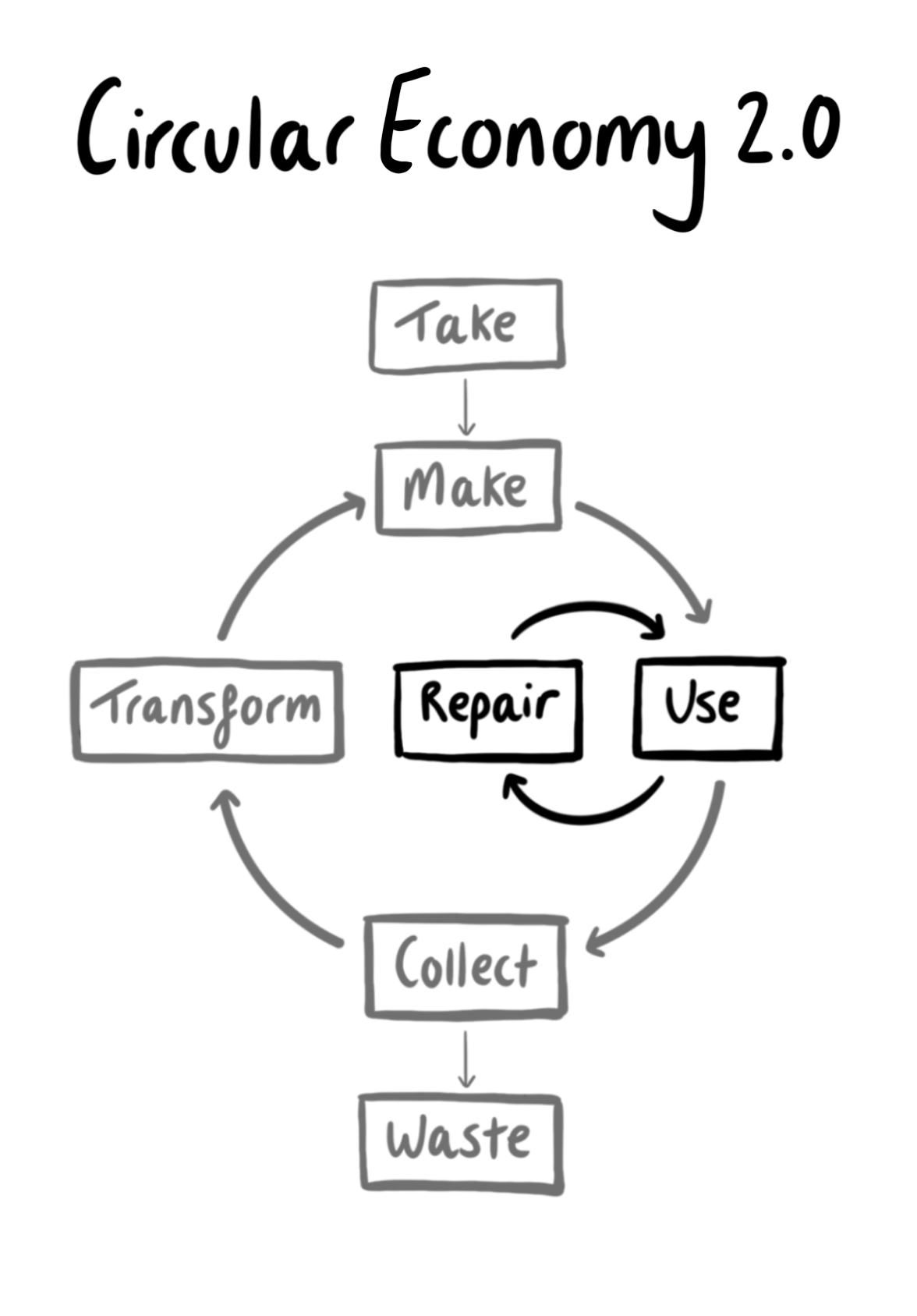
Circular Economy Integration: Build resilience by closing the loop. Invest in nanotechnology recycling and reclamation technologies. If you can recover 30% of your critical precursors from your own waste streams or end-of-life products, you become less dependent on the external market.
Strategic Partnerships over Transactional Relationships: In a resource-constrained environment, you are not just a customer; you are a partner. Engage in long-term off-take agreements with suppliers. By guaranteeing volume over several years, you gain priority access to materials during periods of global shortage, effectively moving your company to the front of the queue.
Conclusion
Resilience in the nanotechnology sector is not about eliminating risk—it is about managing the inevitability of disruption. By mapping deep-tier dependencies, moving away from rigid Just-in-Time models, and investing in the strategic validation of alternative suppliers, organizations can navigate the complex challenges of the modern supply chain.
The goal of a resource-constrained supply chain model is to transform the supply chain from a potential point of failure into a competitive advantage. When your competitors are scrambling to find materials during the next global bottleneck, your firm will be operating as usual, thanks to the foresight of building resilience into the very fabric of your production process.
Start by auditing your most critical precursors today. The cost of preparation is a fraction of the cost of a total production standstill.






Leave a Reply