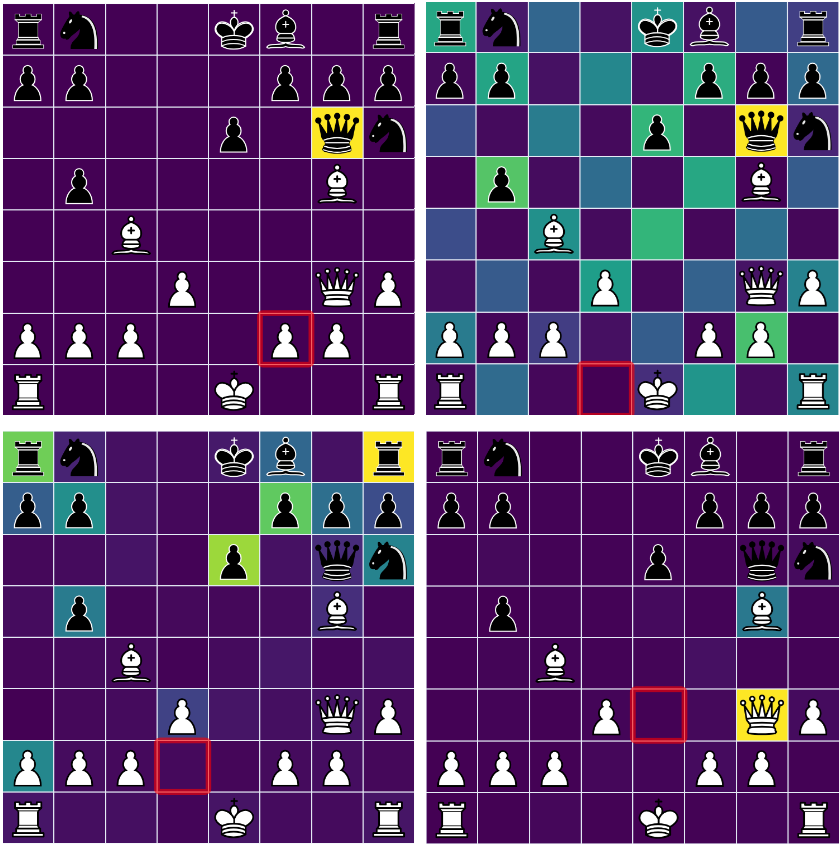
Attention maps in transformer models highlight the relative weight assigned to input tokens.
— by
Steven Haynes
Decoding Attention Maps: How Transformers Prioritize Information
Introduction
If you have ever wondered how a Large Language Model (LLM) like GPT-4 can maintain context across thousands of words, the answer lies in the “attention mechanism.” At the core of this technology are attention maps—visual or numerical representations that show exactly which parts of an input sequence a model is prioritizing when generating an output.
Understanding these maps is not just an academic exercise for computer scientists; it is a critical skill for AI engineers, researchers, and developers who want to debug model behavior, mitigate hallucinations, and optimize performance. By peering into these maps, you can move beyond treating AI as a “black box” and start treating it as a transparent, tunable instrument.
Key Concepts: The Mechanics of Attention
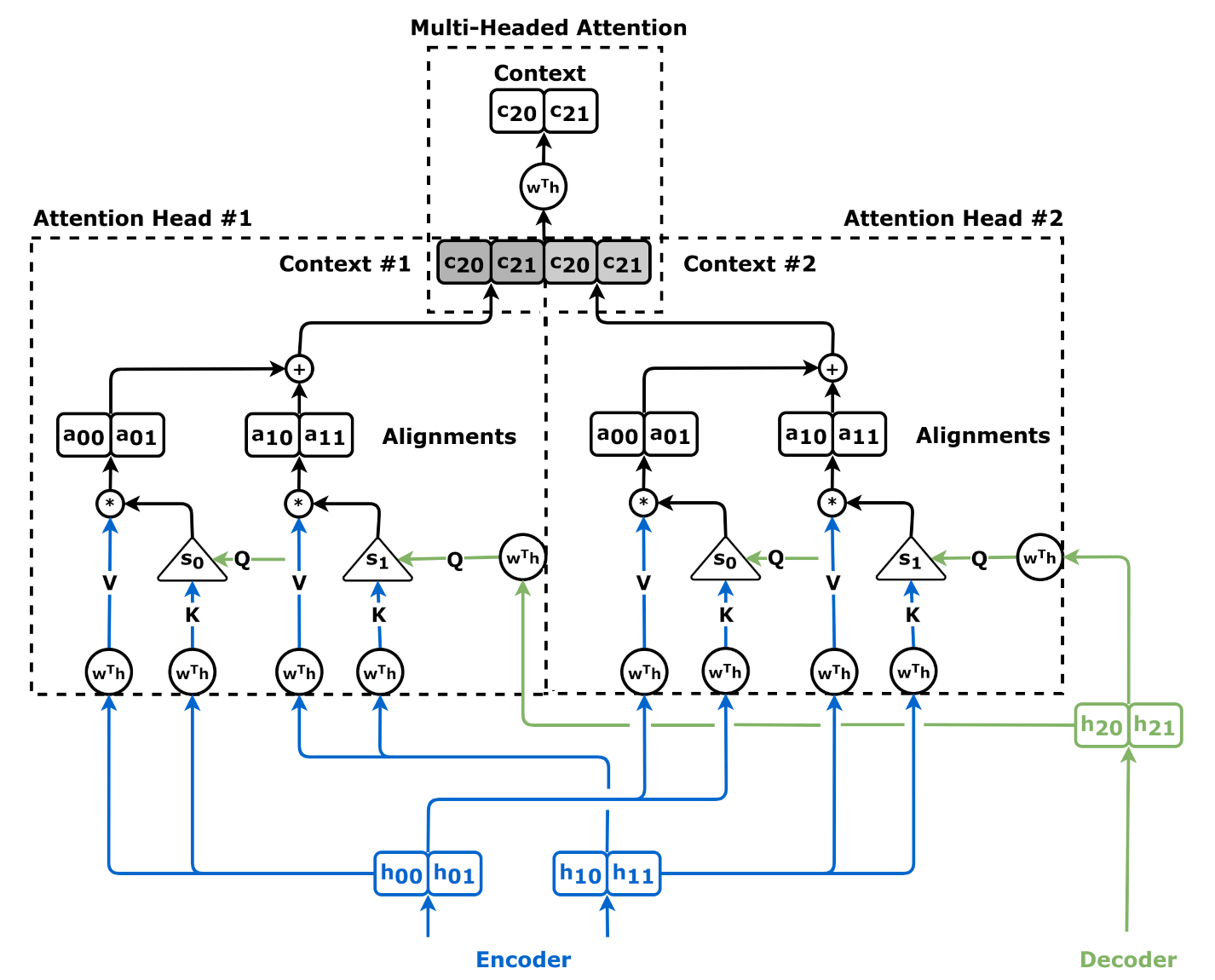
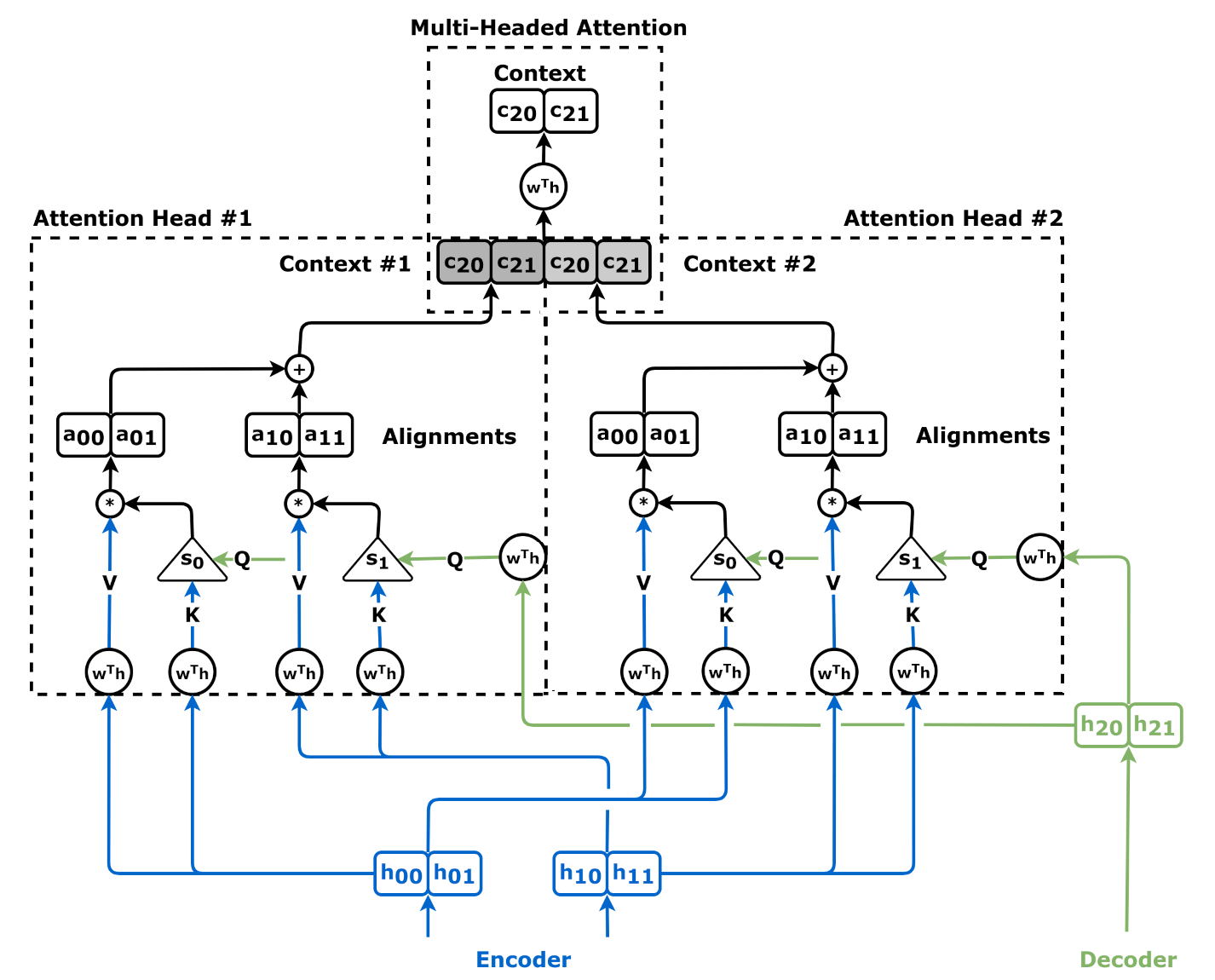
In the transformer architecture, the self-attention mechanism allows the model to weigh the importance of different tokens relative to each other. Every input token creates three vectors: Query (Q), Key (K), and Value (V). The attention score is essentially the dot product of a Query and a Key, normalized through a softmax function.
An attention map is the resulting matrix of these scores. When visualized, it looks like a heatmap where the x-axis represents the input tokens and the y-axis represents the tokens being processed. A bright spot in the map indicates that the model has assigned high “attention weight” to that specific relationship. For example, in the sentence “The animal didn’t cross the street because it was too tired,” the attention map reveals that the token “it” is strongly linked (or “attending”) to the token “animal.”
Step-by-Step Guide: How to Generate and Analyze Attention Maps
To move from theory to practice, follow these steps to extract and interpret attention weights from a transformer model using standard libraries like Hugging Face Transformers and PyTorch.
Select Your Framework: Use the transformers library by Hugging Face, which provides easy access to internal model states.
Enable Output Attentions: When initializing your model, you must set the output_attentions=True flag in the configuration object. This forces the model to return the attention weights during the forward pass.
Perform the Inference: Run your text input through the model. The output object will contain an attentions attribute, which is a tuple containing the attention weights for each layer of the model.
Shape the Data: The attention tensor usually has the shape (layers, batch_size, num_heads, sequence_length, sequence_length). You will need to aggregate these, typically by averaging across attention heads, to get a clear picture of what the model is doing at a specific layer.
Visualize the Matrix: Use libraries like Matplotlib or Seaborn to create a heatmap. Map the token indices to the axis labels so you can see which specific words are interacting.
Analyze the Patterns: Look for “diagonal” patterns (local context), “vertical” lines (tokens attending to common words like ‘the’), and “sparse” clusters (tokens identifying distinct, high-value entities).
Examples and Real-World Applications
Attention maps are not merely for debugging; they are transformative tools in several professional domains.
Case Study: Legal Contract Analysis
In legal AI, precision is paramount. By analyzing attention maps, developers found that a model was failing to identify liability clauses because it was paying too much attention to standard boilerplate text. By adjusting the weightings—or performing “attention masking”—the developers forced the model to ignore the preamble and focus heavily on the indemnity sections, significantly increasing accuracy.
Other real-world applications include:
Bias Detection: If a model consistently assigns high attention to gender-coded pronouns when predicting professional roles (e.g., “doctor” vs. “nurse”), the attention map provides clear evidence of systemic bias that needs remediation.
Hallucination Mitigation: By examining the attention flow, engineers can see if a model is “grounding” its answer in the provided source text or if it is attending to its own internal parameters, which often signals a hallucination in progress.
Model Distillation: Researchers use attention map consistency to ensure that smaller, faster student models are learning to “look” at the same data as the larger, resource-heavy teacher models.
Common Mistakes When Interpreting Attention Maps
Misinterpreting these maps is easy if you do not understand the underlying architecture of a transformer.
Assuming High Attention Equals High Importance: This is the biggest misconception. High attention weight does not always mean a word is “important” in a semantic sense. Sometimes, heads assign high weight to punctuation or stop words (like “a” or “the”) simply for syntactic processing.
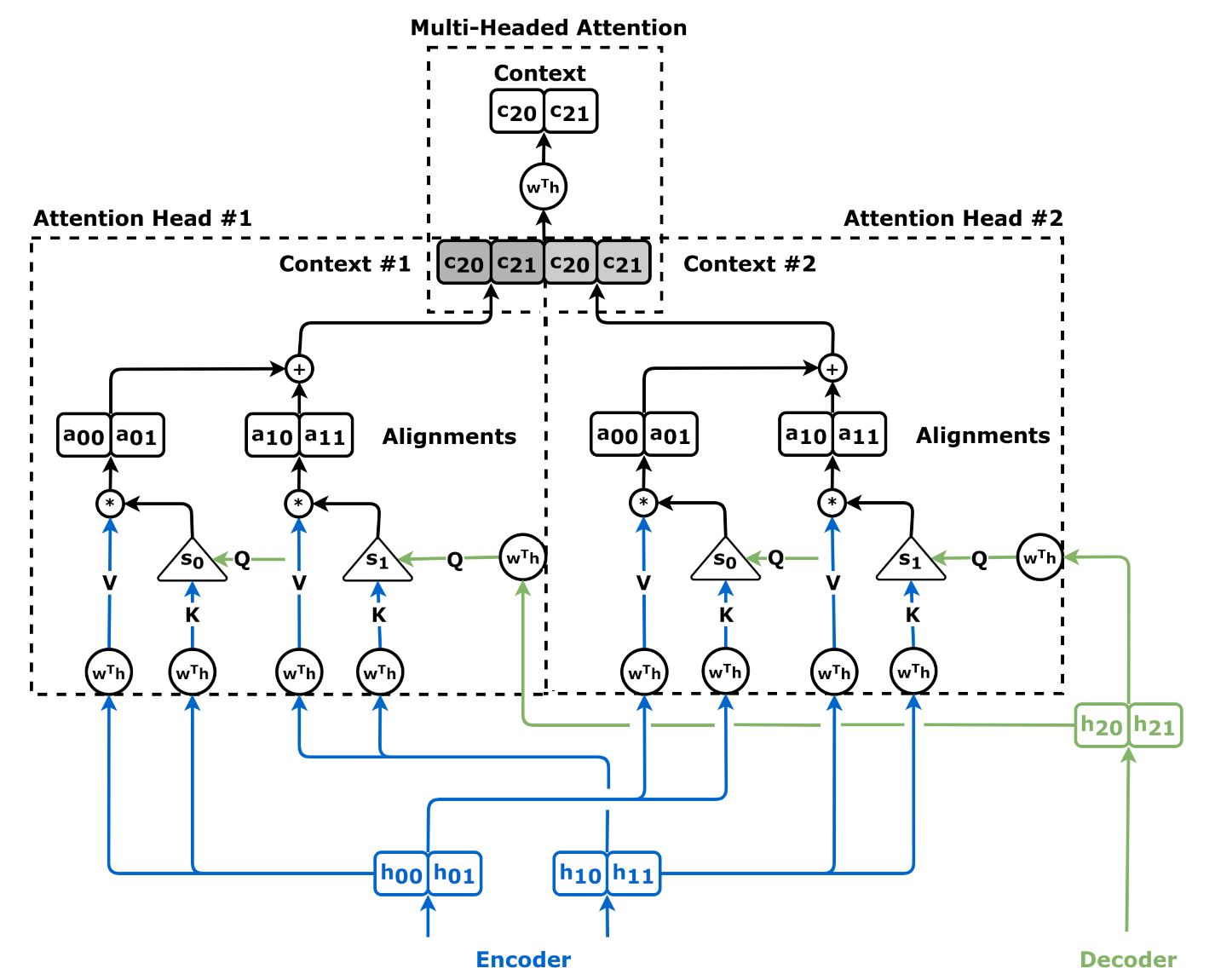
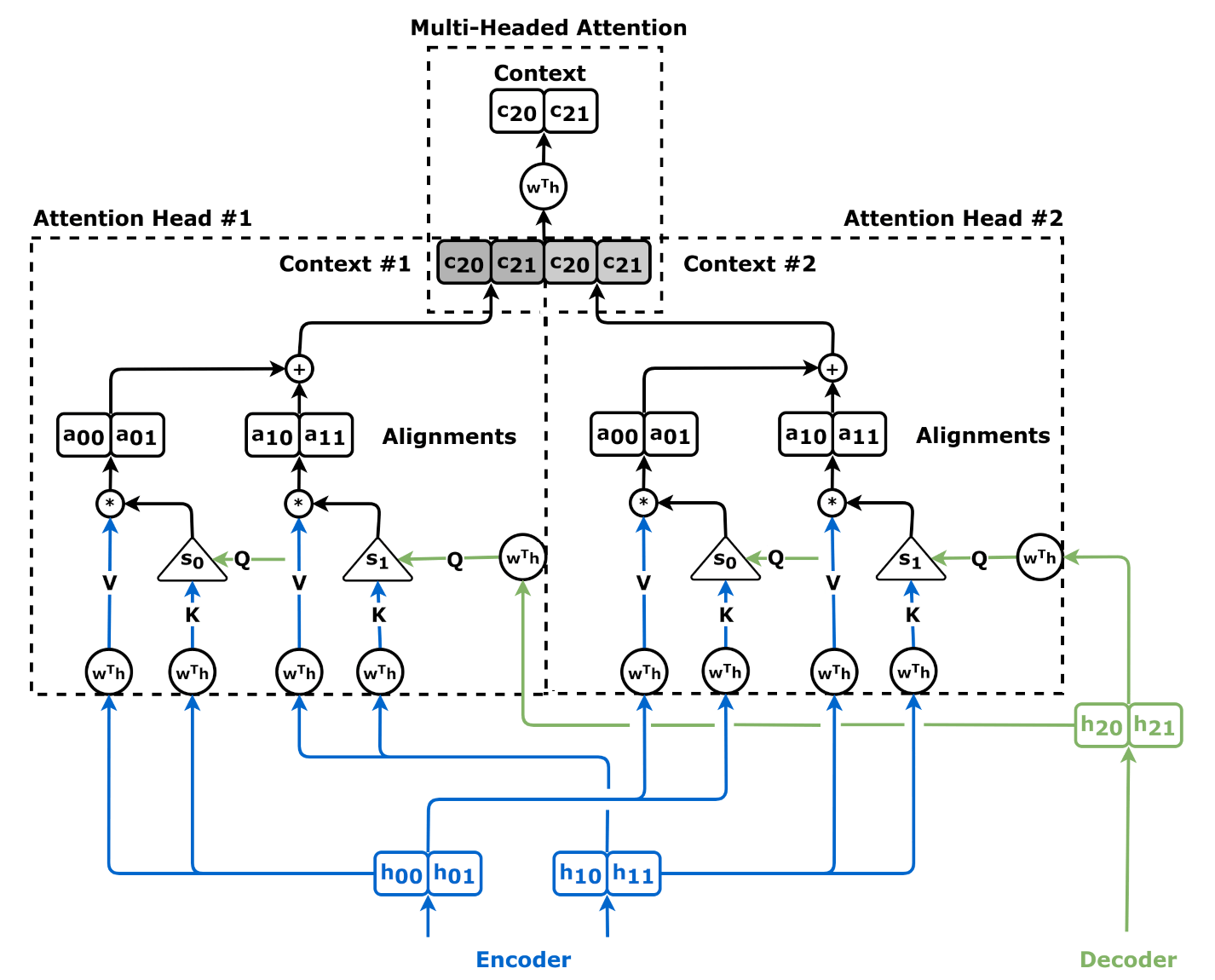
Ignoring Multi-Head Dynamics: Modern transformers use multi-head attention. Looking at only one head is like looking at a single puzzle piece. You must aggregate or visualize multiple heads to understand the full “thought process” of a layer.
Over-interpreting the Final Layer: Many beginners focus on the last layer of the transformer. However, the first few layers often capture syntactic dependencies, while the middle and final layers capture complex semantic relationships. Always look at the progression across layers.
Advanced Tips: Deepening Your Insights
If you want to move beyond basic visualization, consider these advanced strategies:
1. Attention Rollout: Standard attention maps show you what happens at one layer. Since information flows through the entire network, researchers use “Attention Rollout” to track how information propagates from input to output across the entire depth of the network. This provides a much more accurate picture of which input words actually influence the final prediction.
2. Attention Masking for Control: You can programmatically intervene by modifying the attention weights during inference. If you want the model to act as a summarizer, you can manually suppress the attention weights of non-essential words, effectively forcing the model to generate a summary based only on the tokens you deem critical.
3. Saliency Integration: Combine attention maps with gradient-based methods like Integrated Gradients. While attention tells you where the model is looking, gradients tell you how much that “looking” actually changed the model’s output prediction. The intersection of these two data points provides the most reliable explanation for model behavior.
Conclusion
Attention maps are the blueprints of the transformer’s reasoning process. By shifting from a view where the AI is a black box to one where you can visualize the specific pathways of information, you gain the ability to troubleshoot, refine, and optimize your models with precision.
Remember that attention is not a perfect proxy for importance, but it is the closest window we have into the machine’s “mind.” Whether you are building proprietary enterprise solutions or performing research into LLM interpretability, mastering the analysis of attention maps is a fundamental step toward creating more reliable, transparent, and efficient AI systems.


Leave a Reply