Contents: Balancing Tokenomics in Localized Time-Bank Economies
1. Introduction: Defining the intersection of time-banking and tokenomics; the challenge of value stability. 2. Key Concepts: Understanding the “Time-Credit” unit, velocity of circulation, and the inflationary trap. 3. Step-by-Step Guide: Designing a balanced issuance and redemption mechanism. 4. Examples: Analyzing successful community-based time-banks vs. failed speculative models. 5. Common Mistakes: Over-issuance, lack of utility, and the “hoarding” paradox. 6. Advanced Tips: Implementing negative interest rates (demurrage) and skill-based tiering. 7. Conclusion: The path toward sustainable local exchange systems.
***
Mastering Tokenomics: Sustaining Value in Localized Time-Bank Economies
Introduction
At its core, a time-bank is a community-based exchange system where the unit of account is the hour of human labor rather than a fiat currency. In theory, this creates a perfectly equitable economy: an hour of gardening is theoretically equivalent to an hour of legal consulting. However, as these systems transition from paper ledgers to digital tokens and blockchain-based smart contracts, they face a modern dilemma: the threat of runaway inflation.
If a time-bank issues credits faster than the community can provide services, the “time-token” loses its purchasing power. When citizens no longer trust that one token will reliably secure one hour of service in the future, the system collapses. Balancing the tokenomics of a time-bank requires moving beyond simple arithmetic to create a self-regulating ecosystem that incentivizes circulation rather than accumulation.
Key Concepts
To manage a time-bank effectively, one must understand the unique mechanics that differentiate these tokens from speculative cryptocurrencies.
The Time-Unit Anchor: Unlike fiat, which is backed by government decree, a time-token is backed by the promise of human capacity. The fundamental unit is time, which is inherently scarce (everyone only has 24 hours in a day). This scarcity is your primary hedge against inflation.
Velocity of Circulation: In a healthy time-bank, the velocity of the token—how often it changes hands—is more important than the total supply. If tokens sit idle in digital wallets, the economy stagnates. High velocity indicates that members are actively engaging with one another, which stabilizes the value of the token.
The Inflationary Trap: Inflation in a time-bank occurs when the system creates tokens without a corresponding service being performed or when members “hoard” tokens, forcing the system to issue more to maintain liquidity. Without mechanisms to encourage spending, the supply of tokens can decouple from the actual labor capacity of the community.
Step-by-Step Guide: Designing a Balanced Token Economy
Building a sustainable time-bank requires a rigorous approach to monetary policy. Follow these steps to ensure your localized economy remains robust.
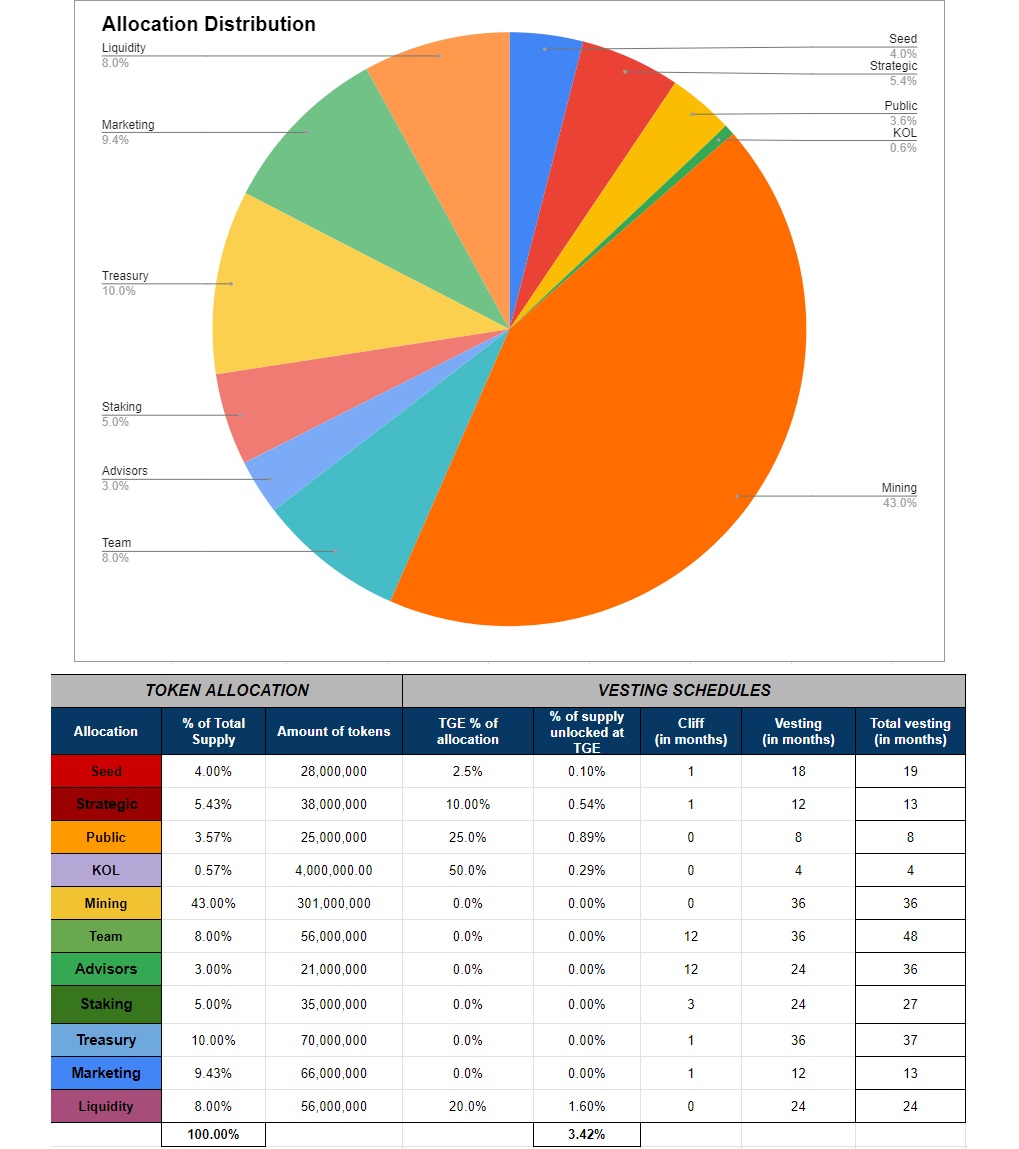
Establish a Genesis Cap: Do not issue an infinite supply of tokens at launch. Start with a capped pool of tokens distributed through initial service grants. This creates an immediate scarcity that anchors the value of the token.
Implement Proof-of-Service: Tokens should only enter circulation when a service is verified. Utilize a peer-to-peer verification system where the recipient of the service confirms the hours logged. This prevents the “printing” of tokens without productive output.
Set a Decay Rate (Demurrage): To prevent hoarding, implement a small, automated fee on idle balances. This encourages members to spend their time-credits rather than treating them as an investment vehicle.
Define the Redemption Ceiling: Limit how many tokens an individual can hold in their wallet. If a user reaches a certain threshold, they must either spend their credits or donate them to a community pool. This keeps the supply moving through the ecosystem.
Create an Equilibrium Mechanism: Periodically adjust the “minting” rate based on community activity. If service volume drops, tighten the issuance of new tokens to maintain the value of existing ones.
Examples and Case Studies
The Ithaca HOURS Model: One of the most successful historical examples of local currency, Ithaca HOURS, utilized a paper-based system that successfully anchored value to local labor. By limiting the total supply and ensuring the currency was only redeemable for local goods and services, the community prevented the “leaking” of value to the broader market. The key lesson here was the enforced locality of the token.
Digital Time-Bank Failures: Conversely, several early blockchain-based time-banking experiments failed because they allowed for unlimited token generation. When developers incentivized “signing up” with massive token airdrops, they flooded the market. Because the supply exceeded the community’s immediate demand for services, the value of the token plummeted to near zero within months. The lesson: Liquidity must match utility.
The most successful time-banks treat their token as a tool for connection, not a store of wealth. When users try to “get rich” off a time-bank, the system loses its social utility.
Common Mistakes
Ignoring the “Free Rider” Problem: Allowing users to receive tokens for trivial tasks that don’t provide real value to the community leads to an oversupply of tokens and a devaluation of the “hour.”
Over-Complexity: If the rules for earning and spending tokens are too difficult to understand, user adoption will stall. Keep the exchange rate simple: 1 Token = 1 Hour.
Lack of On-Ramps/Off-Ramps: A time-bank must be integrated into the physical community. If you cannot use the tokens for basic needs (like groceries or repair services), the tokens will be seen as useless digital points rather than a viable medium of exchange.
Centralization of Authority: Allowing a single administrator to mint tokens at will destroys trust. Use smart contracts or transparent ledgers to ensure the issuance of tokens is governed by objective, community-agreed rules.
Advanced Tips
Implementing Negative Interest (Demurrage): This is the most effective tool for preventing token hoarding. By charging a 1-2% monthly fee on balances, you mathematically incentivize participants to put their time to work. This ensures that the time-bank remains a “flow” economy rather than a “stock” economy.
Skill-Based Tiering (With Caution): While the standard is 1 hour = 1 credit, some communities experiment with “weighted” time credits for highly specialized services (e.g., medical surgery vs. leaf raking). If you choose this path, ensure the complexity does not lead to an inflationary imbalance. Use a multiplier system that is clearly defined and limited to specific, high-demand categories.
Community Treasury Pools: Establish a treasury that holds a percentage of all transaction fees. These funds should be redistributed to support community projects or to provide a “basic income” of time-credits for members who are unable to work due to disability or age. This reinforces the social mission of the time-bank.
Conclusion
Tokenomics in a time-bank is not merely a technical challenge; it is a social design challenge. The goal is to create a system where the token acts as a catalyst for human interaction rather than a speculative asset. By capping supply, enforcing high velocity through demurrage, and anchoring the token to actual human service, you can build a resilient, inflation-resistant localized economy.
Remember that the strength of your time-bank lies in the trust of its members. Every rule you implement should serve the purpose of making that trust more visible and more actionable. When the community understands that their tokens represent their own collective capacity to help one another, the system becomes more than just a currency—it becomes a foundation for a stronger, more connected society.