The Architecture of Longevity: How to Design Objects That Last
— by
Steven Haynes
The Architecture of Longevity: How to Design Objects That Last Forty Years
Introduction
In an era defined by planned obsolescence and the relentless cycle of “upgrade culture,” the concept of an object lasting forty years feels almost radical. We have become accustomed to smartphones that slow down after two years and appliances that fail just outside their warranty. Yet, there exists a category of objects—the mechanical watch, the cast-iron skillet, the heirloom leather chair—that defy this trajectory. Designing or choosing an object intended for four decades of use is not merely an exercise in durability; it is an exercise in engineering philosophy, material science, and intentionality.
Why does this matter? Beyond the obvious environmental benefit of reducing waste, there is a profound psychological satisfaction in ownership that spans generations. When an object works exactly as intended for forty years, it ceases to be a consumer product and becomes a reliable extension of your daily life. This guide explores the principles required to create or identify objects built for the long haul.
Key Concepts
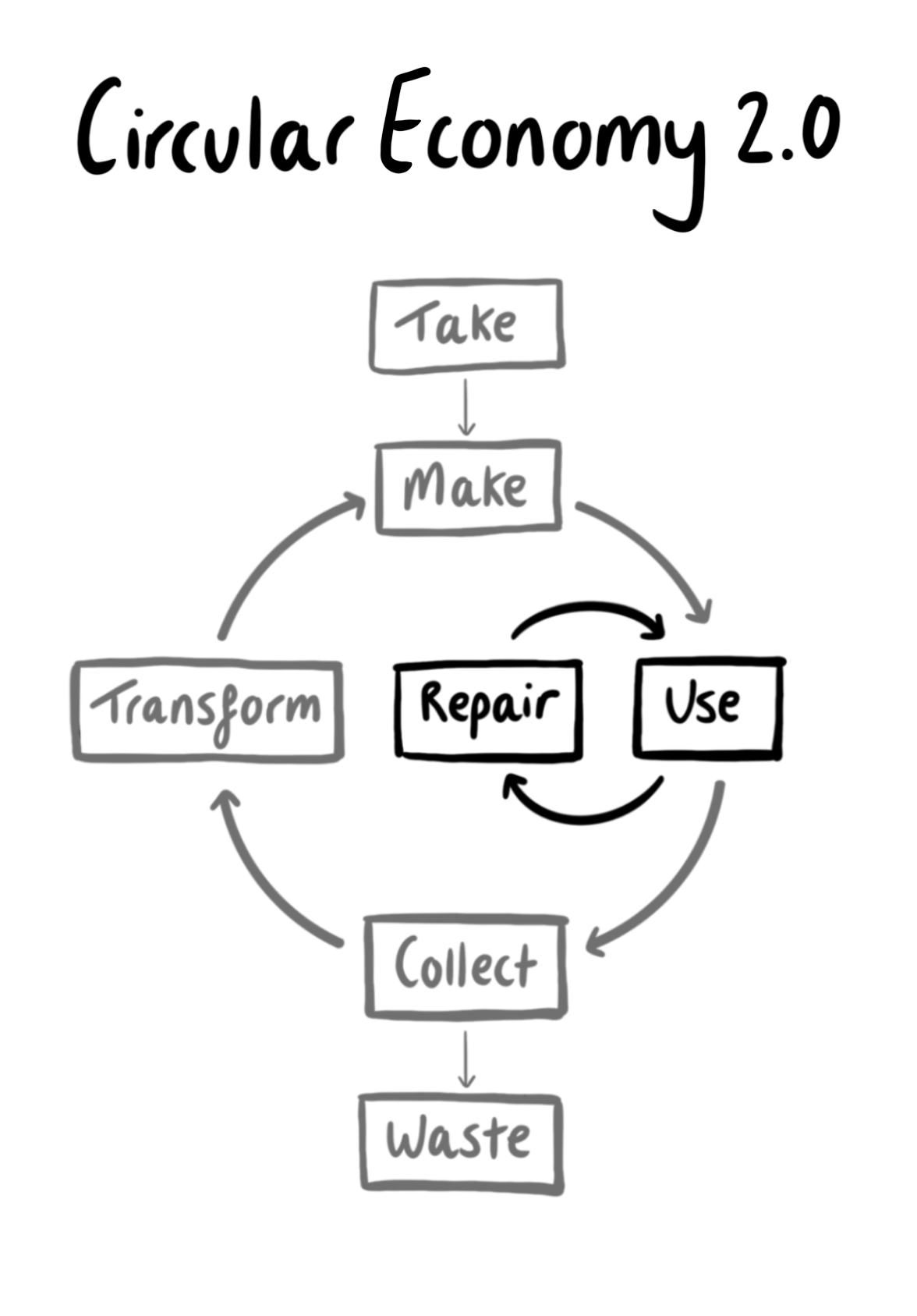
To build for forty years, you must move beyond the concept of “quality” and toward the concept of maintainability. An object that lasts four decades isn’t necessarily one that never breaks; it is one that can be repaired, serviced, and kept in operation indefinitely.
The Principle of Modular Design
Complexity is the enemy of longevity. If a single component failure renders an entire device useless, it is not built for the long term. True longevity requires modularity. Can the battery be replaced? Are the fasteners standard sizes? If a machine is built from isolated, replaceable parts, it can survive long after the original manufacturer has stopped supporting it.
Material Integrity
Materials must be chosen for their degradation profile. Plastics often become brittle due to UV exposure or chemical outgassing. High-grade stainless steel, hardwoods, solid brass, and tempered glass, by contrast, possess predictable aging patterns. They develop a patina rather than falling apart.
Mechanical vs. Digital
Digital components are the primary point of failure for modern longevity. Software updates, proprietary chips, and sensor sensitivity create a “ticking clock” on an object’s utility. Mechanical systems, when properly lubricated and machined, have a proven track record of surviving for half a century or more without the need for firmware patches.
Step-by-Step Guide: Building for the Long Term
Define the Core Function: Strip away the “smart” features. If you are designing a toaster, the goal is to heat bread. Every additional digital interface or connectivity feature is a future point of failure. Focus on the most efficient mechanical way to achieve the goal.
Standardize Fasteners: Avoid proprietary screws or hidden clips. Use standard hex bolts or slotted screws that can be manipulated with common hand tools. If a user can open the casing without breaking it, they are 80% more likely to maintain the object.
Prioritize Serviceability: Include an access panel. If internal components require lubrication, cleaning, or alignment, ensure they are physically accessible. A machine that cannot be cleaned will eventually seize.
Select Materials for Aging: Choose materials that handle friction and heat without losing structural integrity. For example, choose metal gears over nylon, and solid wood over particleboard.
Document the Lifecycle: Provide a manual that includes a schematic. If the user knows how the object was put together, they can take it apart. Longevity relies on the user’s ability to act as the primary technician.
Examples and Case Studies
The Mechanical Watch
A high-quality mechanical watch, such as those produced by legacy Swiss manufacturers, serves as the gold standard for forty-year objects. These devices rely on springs, gears, and balance wheels rather than batteries or circuits. With a service every five to ten years—cleaning and re-oiling the movement—these objects function with precision for decades. They succeed because their design has remained static, and the parts are standardized.
The Cast-Iron Skillet
A cast-iron skillet from a manufacturer like Lodge or a vintage Griswold represents the pinnacle of “low-tech” longevity. There are no moving parts. The material is essentially indestructible under normal kitchen conditions. Because the “tech” is a simple chemical reaction (seasoning), the object actually improves with age as the surface becomes more non-stick. It works today exactly as it did in 1980.
The Aeron Chair
Herman Miller’s Aeron chair is a modern example of long-term design. By using a modular system, every part of the chair—the armrests, the casters, the mesh—can be replaced individually. Because the design has become an industry standard, third-party parts are readily available. This creates an ecosystem where the chair is never discarded; it is simply refreshed.
Common Mistakes
Over-Engineering: Adding features that are not essential to the primary function. Complexity increases the probability of a catastrophic failure.
Using Adhesives instead of Fasteners: Gluing parts together is cheaper during manufacturing but makes repair impossible. If you cannot disassemble it, you cannot fix it.
Ignoring Environmental Factors: Forgetting that lubricants dry out, rubber gaskets perish, and electronics degrade in humidity. A design must account for the environment in which it will sit for 14,600 days.
Proprietary Ecosystems: Locking a user into a specific brand for parts or power sources. When the company pivots or goes bankrupt, the object becomes a paperweight.
Advanced Tips
To truly achieve a forty-year lifespan, you must consider the Repairability Index. Before finalizing a design, try to take the object apart using only the tools you expect a standard user to own. If you find yourself reaching for a heat gun or a specialized proprietary driver, the design fails the longevity test.
“The most sustainable object is the one you already own. Design for the second, third, and fourth owner, not just the first.”
Consider the “Right to Repair” movement. By designing objects that are transparent in their construction, you foster a relationship of trust with the user. When an object is built to be understood, it is treated with more care. Users are less likely to discard an item they have personally serviced or repaired.
Conclusion
Creating an object that works for forty years requires a shift in perspective. It requires moving away from the “disposable” mindset and embracing the reality of entropy. Everything eventually wears down, but if the design allows for easy restoration, the object never truly dies.
The key takeaways are clear: prioritize mechanical simplicity, choose durable materials that age gracefully, ensure modularity for easy repair, and avoid proprietary systems that force obsolescence. Whether you are a designer creating the next generation of tools or a consumer curating a home, focus on the objects that offer a clear path to maintenance. In a world of fleeting trends, the most valuable object is the one that remains by your side, functioning perfectly, for the next forty years.






Leave a Reply