Analyze the preservation of “sonic heritage” and the importance of archiving liturgical chants and ritual rhythms.
— by
Steven Haynes
Echoes of the Sacred: The Vital Preservation of Sonic Heritage
Introduction
Sound is the invisible architecture of human history. While we preserve physical artifacts—statues, manuscripts, and crumbling temples—the ephemeral vibrations of liturgical chants and ritual rhythms often vanish into the ether the moment they are performed. Sonic heritage encompasses the auditory traditions that define cultural identity, religious practice, and communal cohesion. When a specific mode of Byzantine chant or a tribal rhythmic cadence is forgotten, we lose more than just a song; we lose a cognitive map of how a civilization understood the divine and the passage of time.
In an era of rapid globalization and digital homogenization, these ancient sonic landscapes are under existential threat. Preservation is not merely a task for academics or ethnomusicologists; it is an act of cultural stewardship. This article explores why archiving liturgical and ritual music is urgent and provides a framework for how individuals, communities, and institutions can take action.
Key Concepts: Defining Sonic Heritage
To preserve sonic heritage, we must first understand what it is. It is not just the “notes on a page.” Notation systems—whether Western staff lines or Eastern neumes—are incomplete maps. They cannot capture the microtonal fluctuations, the breath of the cantor, the reverberation of a specific stone cathedral, or the physiological response of a community synchronized by a ritual drum.
Liturgical Chants: These are formalized, often ancient melodic systems used in religious rites. They are characterized by modality, specific intonation patterns, and a focus on text delivery over melodic flourish.
Ritual Rhythms: These are repetitive, durational sonic structures used to induce altered states of consciousness or to mark transitional life stages. Their power lies in their cyclical nature and the physical resonance they create within a group.
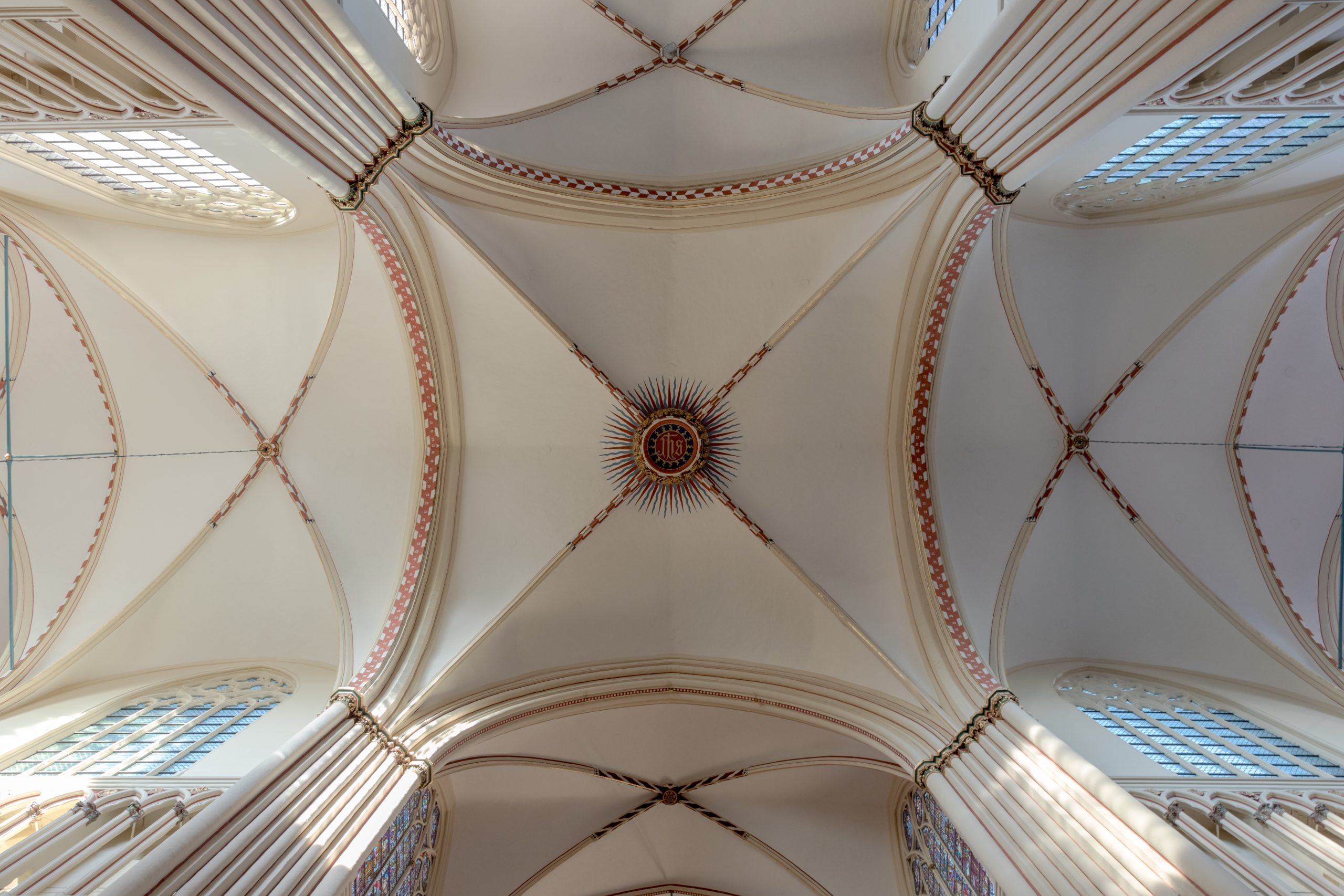
Acoustic Ecology: The relationship between sound and its environment. A chant performed in a desert canyon sounds—and functions—differently than one performed in a Gothic nave. True archiving must consider this context.
Step-by-Step Guide to Archiving Sonic Heritage
If you are involved in a community or institution looking to preserve these sounds, follow this systematic approach to ensure your archival efforts are professional and lasting.
Identify and Prioritize: Not all traditions are equally endangered. Conduct a survey within your community to identify “living repositories”—the elders who hold the most nuanced knowledge of oral traditions. Prioritize those whose knowledge is fading or those whose traditions are not yet transcribed.
Establish Technical Standards: High-fidelity digital preservation is the goal. Use a minimum of 24-bit/96kHz sampling rates. Avoid lossy formats like MP3 for master archives; choose WAV or FLAC. Ensure your recording environment minimizes ambient noise while maintaining the “natural” acoustic character of the space.
Document Contextual Metadata: A raw audio file is useless without context. Document the names of the performers, the specific ritual function of the sound, the time of year it is performed, the history of the transmission (who taught the performer), and any linguistic nuances in the lyrics.
Implement Redundant Storage: Follow the 3-2-1 rule of digital archiving. Keep three copies of your data, on two different types of media, with one copy stored off-site (ideally in a climate-controlled cloud or physical vault).
Ensure Ethical Stewardship: Respect the intellectual property and religious sensitivity of the source community. Some chants are meant to be private or restricted. Always obtain informed consent and establish clear guidelines on who has access to the recordings.
Examples and Case Studies
The preservation of Gregorian chant stands as a gold standard in this field. The Monastic community at Solesmes, France, spent decades comparing thousands of medieval manuscripts to restore the authentic melodic lines of these chants. By combining paleographic research with careful audio recording, they ensured that the “Solèsmes method” became the global benchmark for the genre.
In another sphere, the Smithsonian Folkways project has spent decades capturing the ritual rhythms of Afro-Caribbean and Indigenous American traditions. Their approach proves that by integrating archival recordings with high-quality ethnographic documentation, they transform a sound clip into a robust historical resource that allows future generations to study the music not just as entertainment, but as an essential component of their socioreligious life.
These examples illustrate that successful preservation requires a marriage between rigorous academic methodology and a deep, respectful immersion into the community that practices the music.
Common Mistakes to Avoid
Focusing Only on Transcription: Relying solely on sheet music results in the loss of “performance practice.” You might get the notes right but miss the soul of the performance. Always prioritize audio/video recording alongside notation.
Ignoring the “Acoustic Space”: Recording a chant in a sound-proof studio strips it of its intended acoustic signature. Whenever possible, record within the environment where the ritual typically takes place.
Technological Myopia: Do not rely on a single hard drive. Storage media fails. Cloud storage is vulnerable to service closures. Diversify your archival strategy to avoid “bit rot.”
Cultural Appropriation/Extraction: Entering a community to “harvest” their music without giving back leads to resentment and loss of access. Preservation must be collaborative. The community should own their heritage.
Advanced Tips: The Future of Preservation
To take your archiving efforts to the next level, consider integrating 3D Ambisonic recording. Traditional stereo recordings are flat. Ambisonic microphones capture sound in a 360-degree sphere, allowing listeners to experience the acoustics of the space as if they were sitting in the room during the ritual. This provides an immersive experience that is invaluable for future students of ethnomusicology.
Furthermore, look into AI-assisted pattern recognition. As your archive grows, AI can help identify melodic patterns or rhythmic motifs that appear across different, seemingly unrelated traditions. This can reveal ancient cultural links and migration patterns that have been lost to history.
Finally, engage in “living archives.” An archive should not be a graveyard. If you have digitized a set of rituals, work with the community to create pedagogical materials—lesson plans, apps, or public performance events—that keep the music alive and relevant for the younger generation.
“To preserve a sound is to preserve a way of being. When we save the chant, we save the silence that precedes it and the community that breathes through it.”
Conclusion
The preservation of sonic heritage is a race against time, but it is one that offers immense rewards. By archiving liturgical chants and ritual rhythms, we are protecting the fragile, human-made vibrations that define our collective spiritual geography. Whether you are a scholar, a community leader, or an enthusiast, your efforts to document these sounds help ensure that the echoes of the past remain audible for the future.
Start small, be consistent with your technical standards, and above all, treat the music with the dignity of its original intent. In doing so, you are not just recording noise; you are safeguarding a legacy.


Leave a Reply