1. Introduction: Defining cultural preservation as “collective labor” and why it matters in a digital age. 2. Key Concepts: Understanding the distinction between tangible heritage and intangible memory; the role of the “archival impulse.” 3. Step-by-Step Guide: How individuals and communities can contribute to local and global preservation. 4. Examples: Case studies from the Smithsonian’s digital archives and local community oral history projects. 5. Common Mistakes: The pitfalls of digitization without context and the “curation trap.” 6. Advanced Tips: Utilizing blockchain for provenance and building sustainable metadata structures. 7. Conclusion: The responsibility of the individual as a steward of history.
***
Cultural Preservation as Collective Labor: Safeguarding Our Shared History
Introduction
History is often imagined as a static collection of relics sitting behind glass, guarded by institutions and academics. In reality, history is a living, breathing entity that requires constant maintenance. Cultural preservation is not merely a task for museums; it is a massive, collective labor project that demands the participation of every individual. Whether it is digitizing family records, documenting endangered languages, or maintaining the physical integrity of local landmarks, we are all stewards of a narrative that belongs to the future.
In our current digital age, the fragility of information has never been more apparent. While we generate more data than any generation in history, we are also subject to “digital dark ages”—where file formats become obsolete and cloud-based records disappear overnight. Understanding cultural preservation as a form of labor allows us to shift from passive observers of history to active participants in its survival.
Key Concepts
To engage in cultural preservation effectively, we must distinguish between the two primary pillars of heritage: tangible and intangible.
Tangible heritage refers to the physical artifacts of a culture. This includes buildings, manuscripts, tools, and artworks. Preservation here is often literal—preventing decay, climate control, and structural engineering. However, the labor involved is not just physical; it is fiscal and political, requiring the constant advocacy to protect these items from urban development or environmental neglect.
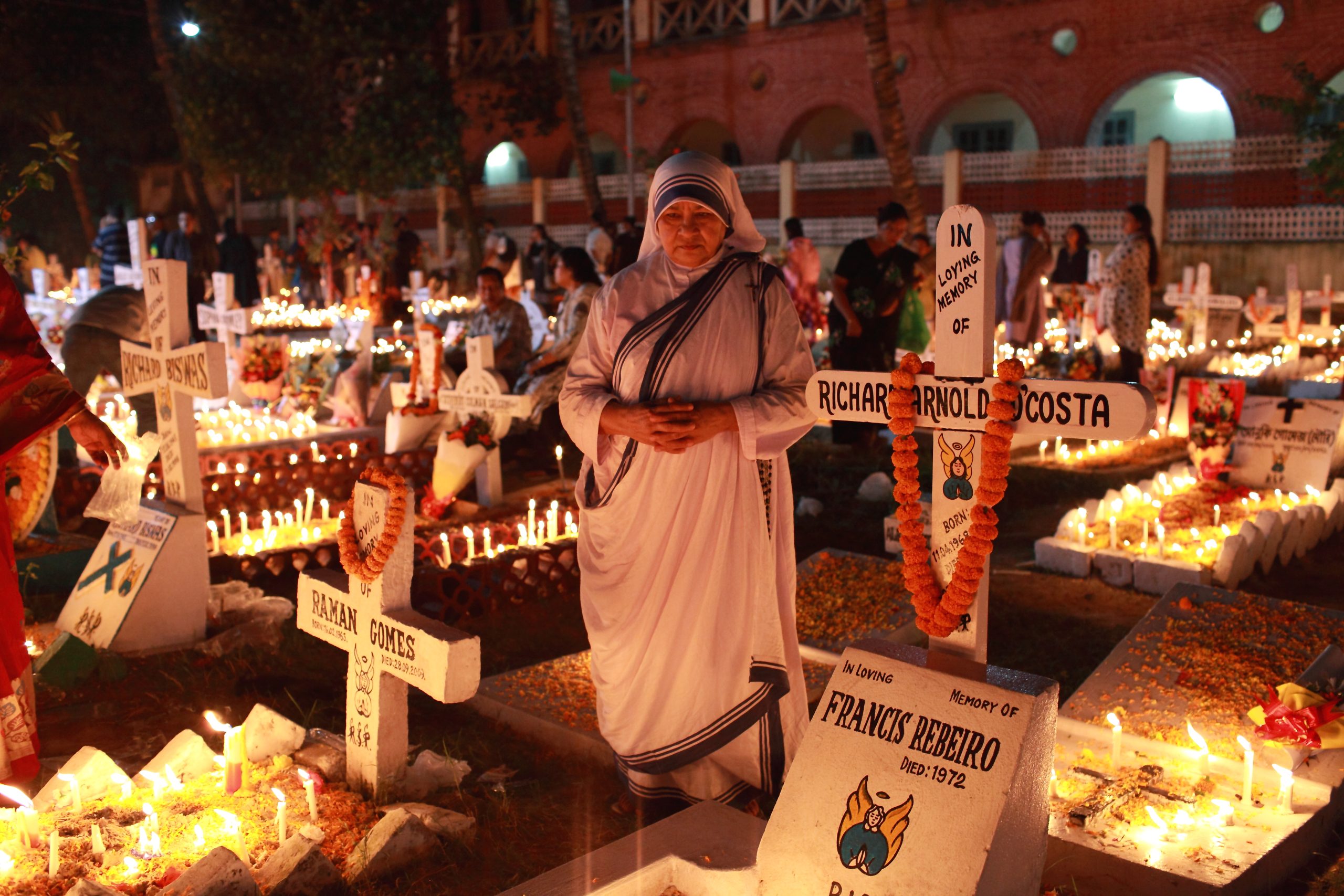
Intangible heritage consists of the practices, representations, expressions, and knowledge that communities recognize as part of their cultural heritage. This encompasses oral traditions, performing arts, social practices, and traditional craftsmanship. Preserving this requires a different kind of labor: the act of documentation, transmission, and performance. If a tradition is not practiced, it ceases to exist. Therefore, the “labor” here is the act of teaching and performing.
The Archival Impulse is the psychological and social drive to collect and preserve. It is the human reaction to the transience of life. In a collective sense, this impulse transforms from a private hobby into a societal infrastructure. When we treat preservation as a collective labor, we acknowledge that no single institution can capture the entirety of human experience; it requires a decentralized effort.
Step-by-Step Guide
Contributing to cultural preservation does not require a degree in history. It requires a systematic approach to documentation and stewardship.
Identify the scope: Determine what is at risk. Is it a local historical society’s paper records? A disappearing craft? A neighborhood’s oral history? Focus your efforts where the risk of loss is highest.
Establish provenance: Before you can preserve something, you must understand its origins. Document the “who, what, when, and where” of the item or tradition. Use standardized metadata formats like Dublin Core to ensure your records are searchable and compatible with broader databases.
Digitize with intent: Digitization is not just scanning a document. It involves creating high-resolution master files, choosing long-term storage formats (like TIFF over compressed JPEGs), and implementing a backup strategy, such as the 3-2-1 rule: three copies of data, on two different media, with one stored off-site.
Engage the community: Cultural preservation is collective. Host “scan-a-thons” or oral history workshops. The value of a record is often unlocked only when it is placed in conversation with other records from the same community.
Ensure accessibility: A preserved record that no one can find or access is effectively lost. Work with local libraries or open-source digital repositories to host your findings.
Examples or Case Studies
The Smithsonian Institution’s Transcription Center serves as a premier example of collective labor. By crowdsourcing the transcription of thousands of handwritten field notes, diaries, and ledgers, the Smithsonian has transformed inaccessible, decaying images into searchable, digital text. This project proves that cultural preservation is a function of scale—thousands of volunteers contributing small amounts of labor can achieve what a single archivist could not accomplish in a lifetime.
On a smaller scale, the StoryCorps initiative demonstrates the power of preserving intangible history. By facilitating interviews between family members, they have created a massive, permanent archive of the American experience. This is not “high history” written by victors; it is “bottom-up” history that captures the nuance of daily life, language, and cultural values that would otherwise vanish with the passing of a generation.
Common Mistakes
Prioritizing digitization over physical preservation: Many organizations assume that once a document is scanned, the original is no longer needed. This is a fatal error. Digital files are subject to bit rot and format obsolescence. The original physical record remains the ultimate source of truth.
Neglecting metadata: A digital image with a filename like “IMG_001.jpg” is useless for future researchers. Without context, data is just noise. Always attach dates, names, locations, and descriptions to your files.
The “Curation Trap”: Attempting to preserve only the “important” or “heroic” moments of history creates a skewed narrative. True collective labor requires preserving the mundane—grocery lists, local gossip, and everyday tools—as these provide the context for the major events.
Ignoring copyright and ethics: When documenting cultural heritage, you must be aware of who owns the rights to the information. This is especially critical when dealing with Indigenous knowledge, where Western concepts of “public domain” may clash with traditional ownership rights.
Advanced Tips
For those looking to deepen their impact, look toward linked open data (LOD). By using unique identifiers to link your records to other global databases, you make your local history part of a worldwide web of knowledge. When a researcher in another country looks up a specific event, your local record will appear as a connected node.
True preservation is not about freezing time; it is about ensuring that the past remains a usable resource for the future.
Consider the role of blockchain technology for provenance. If you are dealing with high-value historical artifacts or significant digital records, immutable ledgers can provide a permanent, tamper-proof chain of custody. This ensures that the history of an object—who owned it, where it was stored, and how it was restored—is never lost or falsified.
Finally, focus on format migration. Technology changes rapidly. Set a calendar reminder every five years to audit your storage media. If you are still using CDs or DVDs to store your history, you are already behind. Migrate your digital assets to cloud-based storage with redundant servers and updated file formats (e.g., migrating older Word documents to PDF/A).
Conclusion
Cultural preservation is the heavy lifting of civilization. It is a collective labor that connects the ghosts of our past to the needs of our future. By moving away from the idea that history is a professional service and toward the understanding that it is a community responsibility, we can prevent the erosion of our shared identity.
The tools required are simple: curiosity, a commitment to accuracy, and a willingness to document the small details that define us. Whether you are safeguarding a physical archive or recording the stories of your elders, your work is a vital contribution to the human record. Start small, maintain consistency, and ensure that your labor is shared. History is not what happened; it is what we choose to remember, and how we choose to keep it alive.







One thought on “Cultural Preservation: A Guide to Collective History Labor”