Adaptive Precision Agriculture: The Neuroscience of Optimizing Crop Intelligence
— by
Steven Haynes
Introduction
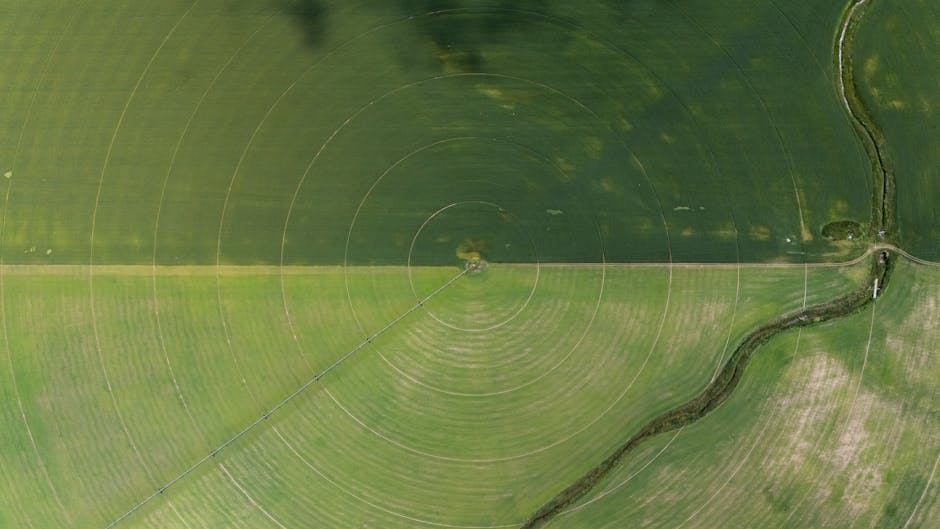
For decades, agriculture has been a game of averages. Farmers applied water, fertilizer, and pesticides across entire fields, assuming uniformity where none existed. Today, we are witnessing a paradigm shift: the integration of adaptive precision agriculture. By leveraging neuro-inspired computing and advanced sensory networks, we are moving from “blanket” farming to a system that mimics the adaptive, real-time feedback loops of the human brain.
This is not just about using sensors; it is about creating an agricultural ecosystem that “thinks.” Just as the nervous system processes stimuli to initiate a motor response, modern precision agriculture uses data-driven neural architectures to adjust irrigation and nutrient delivery at the level of individual plants. For the modern producer, this represents the difference between surviving market volatility and thriving through hyper-efficient resource management.
Key Concepts
To understand adaptive precision agriculture, one must understand the three pillars of the Neuro-Agricultural Feedback Loop:
Sensory Input: Much like the peripheral nervous system, IoT sensors and hyper-spectral imaging serve as receptors. They capture data on soil moisture, nitrogen levels, chlorophyll content, and pest pressure.
Neural Processing (Edge Computing): This is the “brain” of the operation. Using machine learning models—specifically Artificial Neural Networks (ANNs)—the system processes raw data locally to make split-second decisions without waiting for cloud latency.
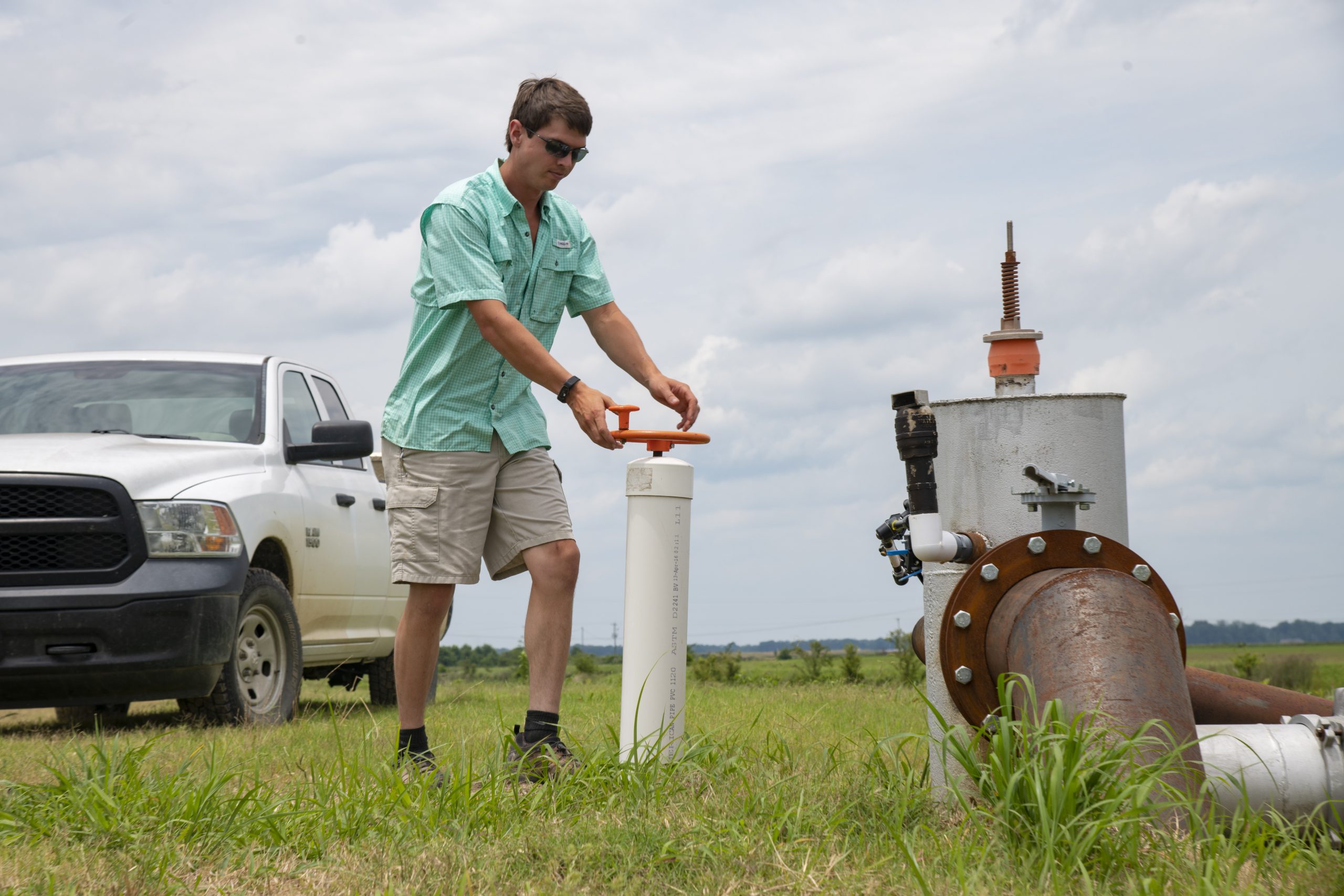
Effector Response: These are the actuators. Variable Rate Technology (VRT) systems, autonomous drones, and smart irrigation valves act as the muscles, delivering precisely what is needed, where it is needed, and only when it is needed.
The “adaptive” component is critical. Unlike static automated systems, an adaptive system learns from its environment. If a specific plot of land consistently underperforms despite optimal nutrient application, the system recalibrates its understanding of that soil’s drainage or compaction, essentially “learning” the unique personality of every acre.
Step-by-Step Guide: Implementing an Adaptive Framework
Transitioning to a neuro-inspired adaptive system requires a phased approach. It is not about replacing your entire infrastructure, but rather layering intelligence over your existing operations.
Conduct a Digital Baseline Audit: Before you can adapt, you must map. Use GPS-guided soil sampling to create a high-resolution “connectome” of your field’s chemical and biological properties.
Deploy an Edge-Computing Gateway: Move your processing closer to the source. Install gateways that can aggregate data from subterranean moisture sensors and overhead drone feeds. This ensures your system can make decisions even when internet connectivity is intermittent.
Integrate Neural Predictive Models: Feed historical yield data and real-time weather patterns into an ANN. These models should focus on predictive maintenance—identifying potential water stress 48 hours before visible wilting occurs.
Calibrate the Actuators: Ensure your irrigation pumps and fertilizer injectors are VRT-capable. Without precision hardware, even the best software is useless.
Establish the Feedback Loop: Use the post-harvest yield maps as the “truth” dataset. Feed this back into your model to refine its accuracy for the next growing season. This is where the system truly becomes adaptive.
Examples and Case Studies
Real-world applications are already proving that this neuro-centric approach to farming yields significant ROI. Consider the case of a large-scale vineyard in California that implemented a Neural Irrigation Network.
By placing sap-flow sensors (which monitor the “nervous system” of the vine) and linking them to a central AI, the vineyard reduced water consumption by 30% while simultaneously increasing grape sugar content. The system “learned” that the vines reacted best to small, frequent pulses of water rather than heavy, infrequent irrigation. The plants were effectively coached into producing higher-quality fruit through precise, adaptive stimuli.
Another example involves drone-based weed identification. Instead of spraying an entire field with herbicides, autonomous drones utilize neural image processing to identify weeds in real-time. The “brain” of the drone distinguishes between a crop and a weed with 99% accuracy, firing precise micro-doses of herbicide only on the target. This reduces chemical input by up to 90%, significantly lowering environmental impact and operational costs.
Common Mistakes
Even with advanced technology, many producers stumble by failing to account for the “complexity trap.”
Over-Reliance on Raw Data: Many farmers collect terabytes of data but lack the analytical layer to interpret it. Data is not insight. You need a system that distills complex signals into simple, actionable directives.
Ignoring Sensor Calibration: A “brain” is only as good as its senses. If your moisture sensors are improperly placed or uncalibrated, the system will optimize for false data, potentially damaging crops.
Siloed Technology: Your irrigation system should “talk” to your soil sensors. If your systems are not interoperable, you are not practicing precision agriculture; you are just managing several different gadgets.
Underestimating the Human Element: No AI can replace the intuition of an experienced farmer. Use the technology to augment your decision-making, not to replace your stewardship.
Advanced Tips
To move from basic precision to advanced adaptive management, consider the following strategies:
“True intelligence in agriculture is found in the ability to anticipate environmental stressors before they manifest in the phenotype.”
Leverage Predictive Phenotyping: Use high-resolution imaging to monitor plant growth patterns. Advanced systems can detect subtle changes in leaf geometry that indicate early-stage disease or nutrient deficiencies long before they are visible to the human eye.
Implement Swarm Robotics: Instead of one massive, expensive machine, move toward a “swarm” of smaller, autonomous robots. This mimics the biological efficiency of a colony. If one robot fails, the system continues. It also minimizes soil compaction, which is a common issue with heavy machinery.
Adaptive precision agriculture is the inevitable evolution of farming. By viewing the farm as a complex, neural-like network that requires constant, intelligent feedback, we can produce more with less, preserve the health of our soil, and ensure the long-term viability of our operations.
The transition requires an investment in both technology and mindset. It is not just about buying a new sensor; it is about adopting a philosophy where every input is tracked, every outcome is measured, and the system is constantly refining itself to be more efficient than it was the day before.
For further authoritative reading on the intersection of technology and food systems, consult the following resources:




Leave a Reply