Conclusion: The path toward a 50 percent reduction in global agricultural water waste.
Precision Irrigation: The Path to Cutting Agricultural Water Consumption by 50 Percent
Introduction
Agriculture currently accounts for approximately 70 percent of global freshwater withdrawals. As the global population climbs toward 10 billion, the pressure on our water resources is intensifying. Traditional irrigation methods—such as flood or furrow irrigation—are notoriously inefficient, with up to 50 percent of water lost to evaporation, runoff, and deep percolation before it ever reaches the plant roots.
Precision irrigation is not merely a technological upgrade; it is a fundamental shift in how we manage the lifeblood of our food systems. By delivering the exact amount of water required at the precise time the plant needs it, farmers can sustain, or even increase, crop yields while slashing water usage by half. This article explores how modern precision irrigation technologies are turning the tide on agricultural water waste.
Key Concepts
Precision irrigation is defined by its ability to manage water application with high spatial and temporal accuracy. Unlike traditional systems that treat an entire field as a homogenous block, precision irrigation acknowledges that water needs vary based on soil composition, topography, and plant growth stages.
Drip and Micro-Irrigation: These systems deliver water directly to the root zone via emitters or low-flow sprinklers. By keeping the soil surface relatively dry, these systems significantly reduce evaporative loss.
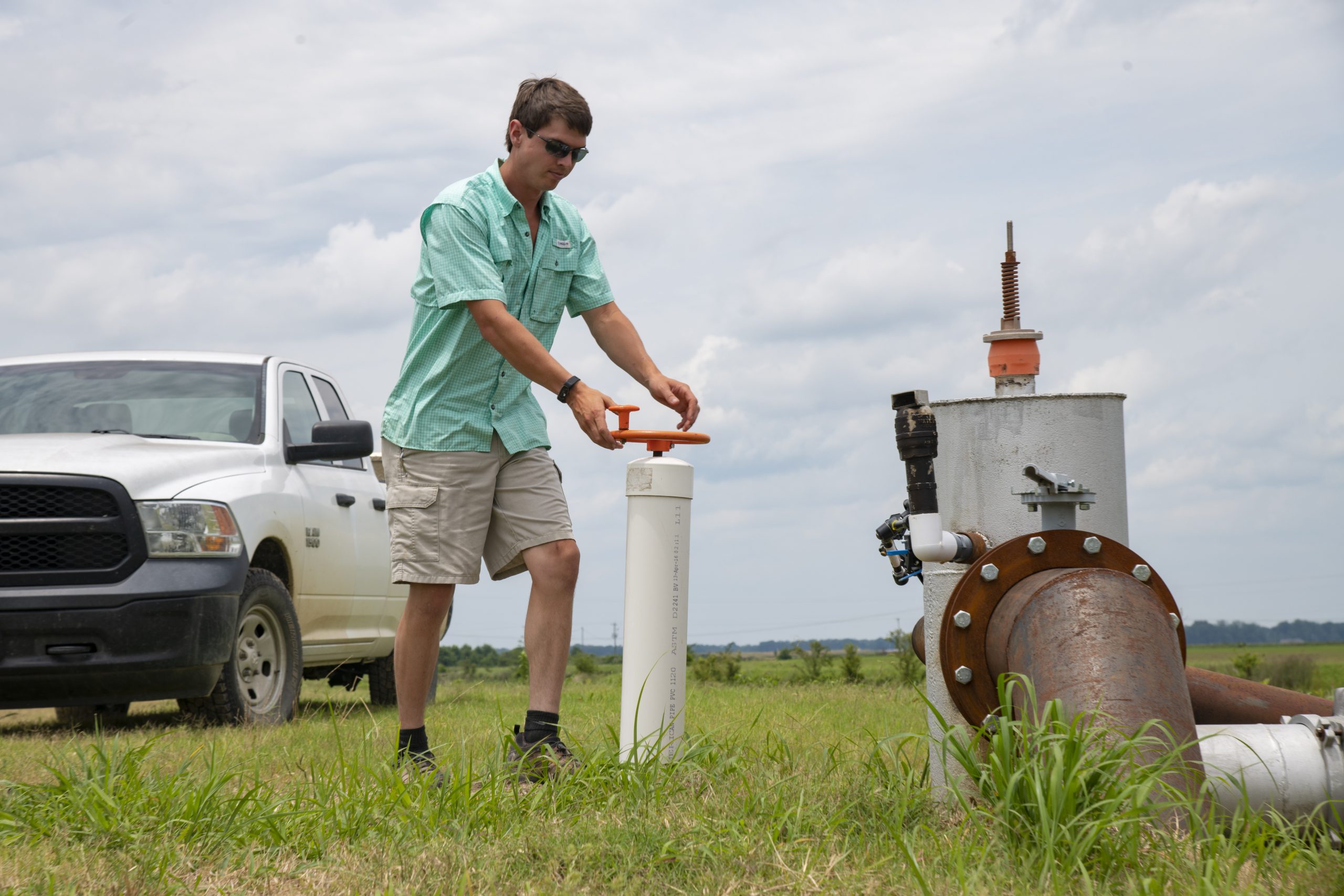
Sensor-Based Automation: At the heart of precision irrigation is the feedback loop. IoT (Internet of Things) soil moisture sensors monitor the volumetric water content in the root zone. When moisture levels drop below a pre-set threshold, the system triggers irrigation; when the soil reaches field capacity, it shuts off automatically.
Variable Rate Irrigation (VRI): Using GPS and GIS mapping, VRI allows center-pivot systems to adjust the flow of water based on the specific needs of different zones within a field. This prevents over-watering low-lying areas or under-watering sandy, high-drainage patches.
Step-by-Step Guide
Transitioning to precision irrigation requires a systematic approach to ensure maximum return on investment and water savings.
Conduct a Soil and Topographic Audit: Before installing hardware, map your field. Identify soil textures, water-holding capacities, and elevation changes. This data dictates where irrigation zones should be placed.
Select the Right Delivery System: Choose between subsurface drip irrigation (SDI) for row crops or micro-sprinklers for orchards. SDI is particularly effective for reducing evaporation to near zero.
Install Monitoring Infrastructure: Deploy a network of soil moisture sensors at various depths (typically 6, 12, and 24 inches). Ensure these sensors are calibrated to your specific soil type.
Integrate a Controller: Connect your sensors to a centralized, cloud-based irrigation controller. This allows you to monitor the system remotely via smartphone or desktop.
Implement a Maintenance Protocol: Precision systems, particularly drip lines, are sensitive to clogging. Implement a regular flushing schedule and inject acid treatments or biocides to prevent mineral buildup and root intrusion.
Examples and Case Studies
The efficacy of precision irrigation is best demonstrated in the world’s most water-stressed regions. In Israel, where water scarcity has been a national challenge for decades, the adoption of drip irrigation has allowed the country to grow more food with less water than almost anywhere else on Earth. By utilizing computerized precision systems, Israeli farmers have achieved a water-use efficiency rate of over 90 percent.
In California’s Central Valley, almond growers have transitioned from flood irrigation to high-frequency, low-volume drip systems. By integrating these systems with satellite imagery that measures crop evapotranspiration (ET), these growers have maintained high yields while reducing water applications by 40 to 60 percent. The data showed that the trees were healthier because they were no longer subjected to the “boom-and-bust” cycle of water-logging followed by drought stress, which is common in flood-irrigated fields.
Common Mistakes
Even the most sophisticated hardware will fail if implemented incorrectly. Avoid these common pitfalls to ensure your system reaches its full potential:
Ignoring Filtration: Precision systems use narrow emitters. If you do not install high-quality sand or screen filters, your system will clog within a single season, leading to uneven water distribution and localized crop death.
Set-and-Forget Mentality: Precision irrigation requires active management. If you do not adjust your schedules based on weather forecasts, you lose the primary benefit of the technology. Always account for upcoming rainfall.
Failure to Account for Soil Variability: Installing sensors in only one location of a large, diverse field can lead to “average” irrigation that is actually wrong for 80 percent of the field. Place sensors in representative zones.
Underestimating Power Requirements: Automated systems require reliable power. Ensure your solar panels or grid connections are robust enough to handle the telemetry requirements of your IoT network.
Advanced Tips
To push beyond the 50 percent savings mark, integrate advanced data analytics into your operation.
Satellite-Based Evapotranspiration Tracking: Tools like OpenET provide real-time data on how much water your crops are actually losing through transpiration. By matching your irrigation schedule to these satellite-derived ET numbers, you can ensure you are replacing only what is lost, rather than watering based on a calendar schedule.
Precision irrigation is not just about saving water; it is about providing the plant with the exact environmental conditions to maximize its genetic potential.
Predictive Modeling: Use AI-driven software to forecast the water needs of your crops based on long-term weather patterns and crop growth stage. Predictive modeling can help you “pre-water” before a heatwave, protecting the plant from stress, or withhold water when a storm is predicted, preventing nutrient leaching.
Fertigation: Precision irrigation systems are perfect delivery vehicles for nutrients. By delivering fertilizer directly to the root zone in small, frequent doses (fertigation), you can reduce fertilizer runoff and increase uptake efficiency, further improving the sustainability of your operation.
Conclusion
The goal of reducing global agricultural water consumption by 50 percent is ambitious, but it is entirely achievable with current technology. Precision irrigation represents the bridge between traditional farming and a sustainable, data-driven future. By moving away from “bulk” irrigation and toward targeted, sensor-driven water management, farmers can stabilize their yields against climate volatility while preserving our most precious resource.
The transition requires an upfront investment in infrastructure and a commitment to data-based decision-making. However, the long-term benefits—reduced water costs, higher crop quality, and improved soil health—make precision irrigation one of the most vital investments any modern agricultural operation can make. The future of agriculture is not just about producing more; it is about being precise with every drop.


Leave a Reply