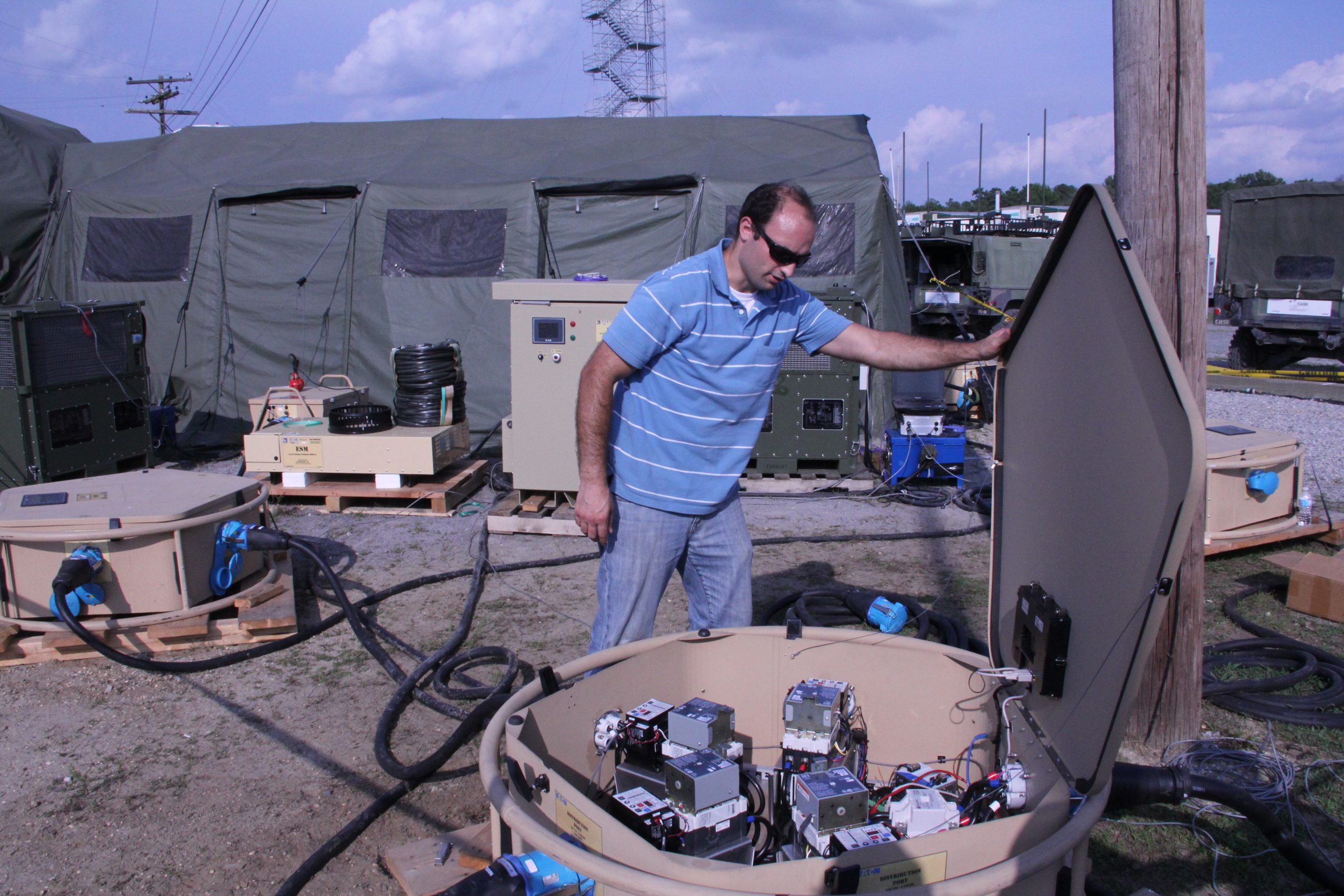
In the pursuit of modern corporate sustainability, most leaders fall into the ‘Efficiency Trap.’ We are taught that to be green, we must simply do more with less—reduce waste, optimize HVAC systems, and trim electricity consumption. While these are necessary hygiene factors, they represent a fundamentally flawed strategy for long-term survival in an energy-volatile market.
The Efficiency Trap
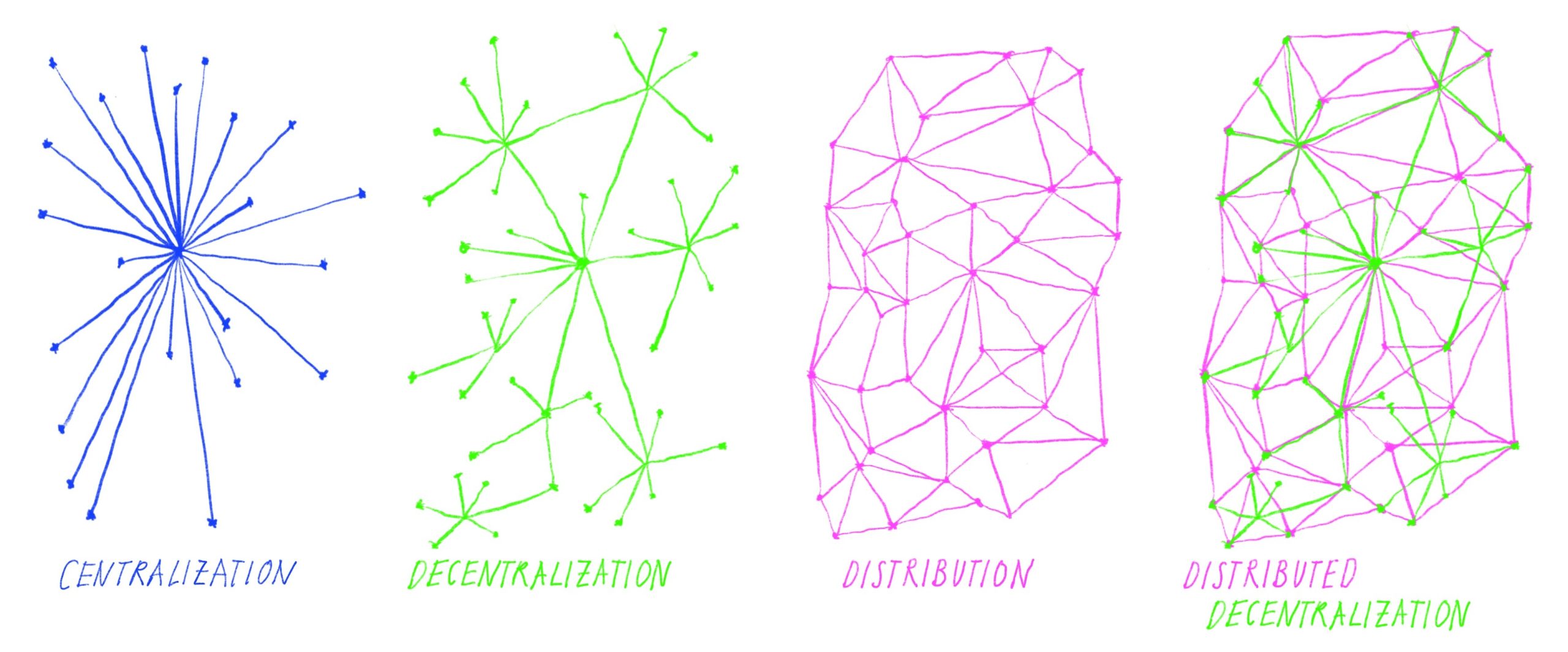
The history of industrial evolution is marked by the ‘Jevons Paradox,’ which posits that as technology increases the efficiency with which a resource is used, the total consumption of that resource actually rises. By optimizing our current, carbon-heavy infrastructure to be more efficient, we are essentially making the old, centralized model more comfortable—thereby delaying the necessary, painful shift to true energy autonomy.
For the modern executive at The BossMind, efficiency is no longer the endgame. Resilience is. An efficient system that relies on a single, volatile point of failure (the centralized grid) is inherently fragile.
Energy as a Competitive Moat, Not a Cost Center
True strategic leadership today involves moving away from the ‘commodity procurement’ mindset. Traditionally, energy has been an OpEx line item negotiated by the lowest bidder. The future belongs to firms that treat energy as a proprietary operational asset. This means moving beyond rooftop solar panels and moving toward microgrid sovereignty.
When a company generates, stores, and manages its own energy load, it effectively hedges against the unpredictable surges in energy pricing that bankrupt competitors who are chained to the municipal grid. If you control your power, you control your cost of goods sold (COGS) in a way that your rivals cannot replicate.
The Shift from Consumption to Contribution
The next iteration of the renewable revolution is not about consuming green power; it is about becoming an active participant in the energy market. Through decentralized energy resource (DER) management, companies can utilize their facilities as ‘virtual power plants.’ When your operations are idle, your stored battery capacity can sell power back to the grid, transforming a fixed cost into a revenue stream.
This is the shift from a passive energy consumer to an active energy strategist. It requires a shift in the C-suite: moving from ‘sustainability officers’ who focus on carbon reporting to ‘energy architects’ who treat the facility’s physical footprint as a node in a decentralized energy exchange.
Strategic Mandates for the Next Decade
Audit for Autonomy: Stop measuring ‘kWh used’ and start measuring ‘kWh generated vs. consumed.’ Identify what percentage of your core business could continue to function during a 48-hour grid blackout.
Capital Allocation: Treat energy infrastructure projects with the same ROI rigor as R&D or digital transformation. The ‘green premium’ is narrowing; in many markets, self-generation is already cheaper than retail delivery.
Data-First Architecture: You cannot manage what you cannot see. Invest in granular, real-time energy telemetry. If your infrastructure isn’t talking to your operational AI, you are flying blind.
The era of buying cheap electricity from a utility is ending. The companies that will thrive in the next decade are those that stop asking, ‘How can we reduce our energy footprint?’ and start asking, ‘How can we own our energy future?’