Future of Power: How Smart Grids Optimize Energy Distribution
— by
Steven Haynes
Outline
Introduction: The shift from centralized power plants to a responsive, interconnected global grid.
Key Concepts: The “Internet of Energy,” predictive load balancing, and the role of IoT and AI.
Step-by-Step Guide: How smart grids integrate distributed energy resources (DERs) to balance demand.
Examples: Case studies of virtual power plants (VPPs) and neighborhood energy trading.
Common Mistakes: Over-reliance on centralized storage and ignoring grid-edge security.
Advanced Tips: Implementing peer-to-peer (P2P) energy markets and dynamic pricing models.
Conclusion: The future of resilient, sustainable energy distribution.
The Future of Power: How Global Smart Grids Optimize Energy Distribution
Introduction
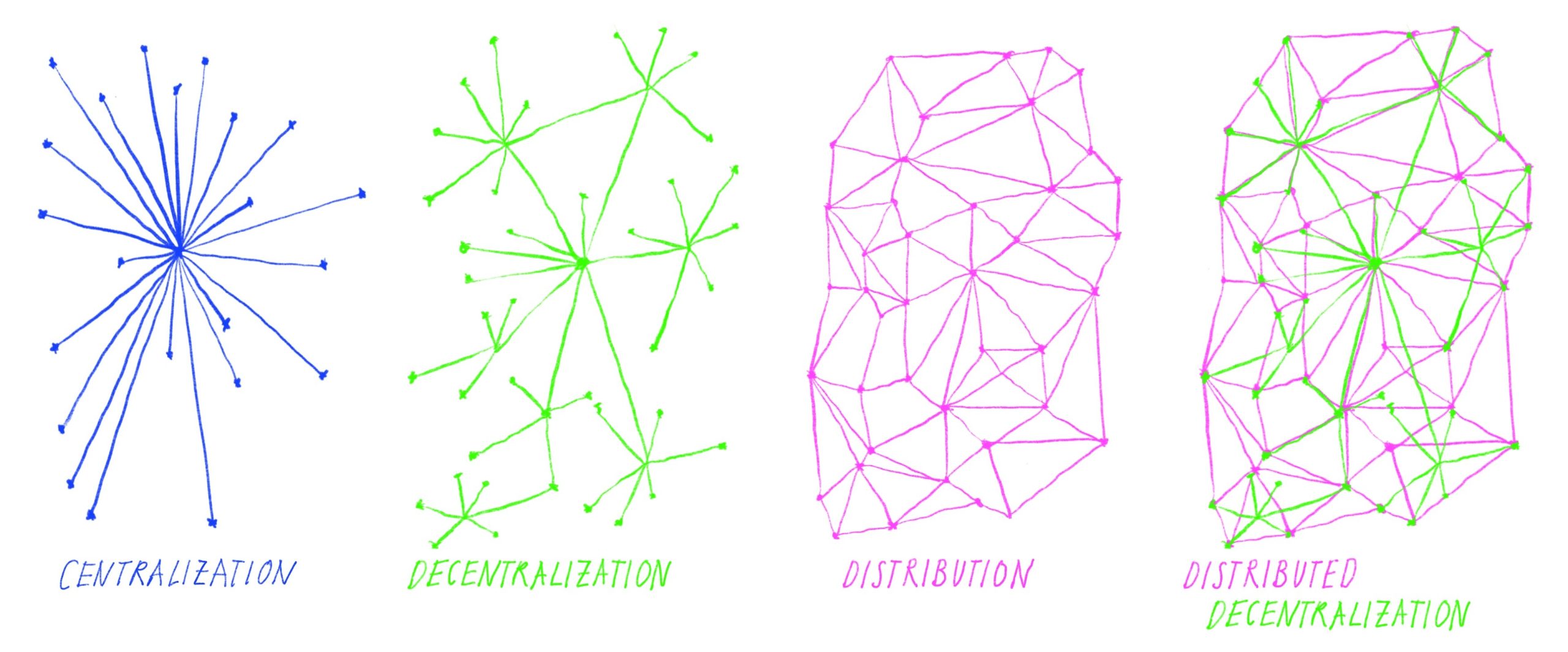
For over a century, our electrical grids functioned like one-way streets: power was generated at a massive, remote plant and pushed outward to consumers. This model is rapidly becoming obsolete. As we transition toward decentralized, renewable energy sources like wind and solar, the infrastructure required to manage that power must evolve. Enter the global smart grid—a sophisticated, digital-first architecture that balances energy load based on real-time proximity and immediate demand.
Optimizing energy distribution is no longer just about generating more power; it is about moving that power intelligently. By treating electricity as a dynamic flow rather than a static supply, we can reduce waste, lower consumer costs, and create a system that is inherently more resilient to outages. Understanding how this system works is essential for anyone interested in the future of sustainability and infrastructure.
Key Concepts
At its core, a smart grid functions as an “Internet of Energy.” It replaces mechanical switches with digital sensors and AI-driven algorithms. To understand how it optimizes distribution, we must look at three pillars:
Predictive Load Balancing: Traditional grids react to demand spikes after they happen. Smart grids use machine learning to predict demand based on weather patterns, historical usage data, and real-time sensor feedback. By knowing exactly when a neighborhood will need more power, the system can pre-position energy from the closest available source.
Proximity-Based Routing: In an optimized grid, the goal is to minimize “transmission loss”—energy lost as heat when electricity travels over long distances. By prioritizing locally generated power (such as rooftop solar or local battery storage), the grid reduces the distance electricity must travel, making the entire system more efficient.
Distributed Energy Resources (DERs): These are small-scale power generation or storage units—like residential batteries, electric vehicle (EV) charging stations, or community solar arrays—that can both consume and provide electricity to the grid. The smart grid orchestrates these thousands of tiny “nodes” to stabilize the system as a whole.
Step-by-Step Guide: How Smart Grids Balance Energy
Optimizing a power grid is a complex, multi-stage process that happens in milliseconds. Here is how the system manages the flow of electricity:
Data Aggregation: Smart meters and IoT sensors across the grid collect granular data on voltage, frequency, and consumption patterns in real-time.
Demand Forecasting: AI engines analyze this data to project future load requirements for specific geographic zones.
Resource Matching: The system identifies the most efficient supply sources. If a local neighborhood has excess solar energy, the system diverts it to nearby businesses before pulling power from a distant, centralized plant.
Dynamic Load Shedding: During extreme stress or supply shortages, the grid can automatically reduce non-essential consumption (such as dimming streetlights or adjusting industrial HVAC units) to prevent blackouts.
Feedback Loop: The system constantly updates its routing models based on whether the previous distribution strategy successfully met the demand without overloading local infrastructure.
Examples and Real-World Applications
The transition toward smart distribution is already underway through various innovative projects around the globe:
Virtual Power Plants (VPPs) in Australia: By linking thousands of residential solar-plus-storage systems, utility providers can pool this energy together to act as a single, large-scale power plant. When the grid is strained, the VPP feeds energy back from these homes, balancing the load without the need for additional coal or gas generation.
Microgrids in Remote Communities: In areas prone to disasters, local microgrids operate independently from the main grid. When the main power line fails, the microgrid isolates itself, relying on local batteries and renewables to keep critical infrastructure running. Once the main grid stabilizes, it reconnects, sharing any surplus energy it generated while isolated.
The most efficient watt is the one that doesn’t have to travel a hundred miles to reach your lightbulb. Proximity is the ultimate energy saver.
Common Mistakes
As organizations and governments move toward smart grids, several pitfalls frequently emerge:
Ignoring Edge Security: With thousands of IoT devices connected to the grid, every smart meter becomes a potential entry point for cyberattacks. Failing to implement end-to-end encryption across all nodes puts the entire system at risk.
Over-Centralized Storage Planning: Relying solely on massive, centralized battery farms ignores the potential of distributed storage. A mix of large-scale and home-based batteries provides better redundancy and localized load-balancing.
Lack of Interoperability: Creating “silos” where different brands of inverters or smart meters cannot communicate with each other prevents the grid from functioning as a unified, intelligent system. Standardization is key.
Advanced Tips
To truly leverage the power of a smart grid, stakeholders should focus on the following high-level strategies:
Adopt Dynamic Pricing Models: Encourage consumer participation by offering real-time pricing. When electricity is abundant and local, the price drops, incentivizing users to run high-energy appliances like dishwashers or EV chargers. When the grid is stressed, prices rise, naturally discouraging non-essential usage.
Implement Peer-to-Peer (P2P) Energy Trading: Using blockchain technology, neighbors can sell excess energy directly to one another. This decentralizes the market and provides a financial incentive for households to invest in renewable generation and storage.
Prioritize Grid “Self-Healing”: Advanced smart grids use automated switches that can isolate a fault in seconds, rerouting power around the damaged section. Investing in automated reclosers and intelligent switchgear is far more cost-effective than manual intervention after a failure.
Conclusion
The optimization of energy distribution through a global smart grid represents the most significant shift in power infrastructure since the invention of the alternating current. By moving away from reactive, centralized models toward a proactive, distributed network, we can achieve a higher level of sustainability and reliability.
The transition requires a commitment to digital security, standardized communication, and the empowerment of the consumer as a “prosumer”—both a producer and a consumer of energy. As these systems become more sophisticated, the grid will no longer be a passive utility, but an intelligent, responsive backbone of modern society. The future of energy is not just about producing more; it is about distributing what we have with absolute precision.


Leave a Reply