Implement data minimization techniques during the model training phase.
— by
Steven Haynes
Maximizing Efficiency: Implementing Data Minimization in Model Training
Introduction
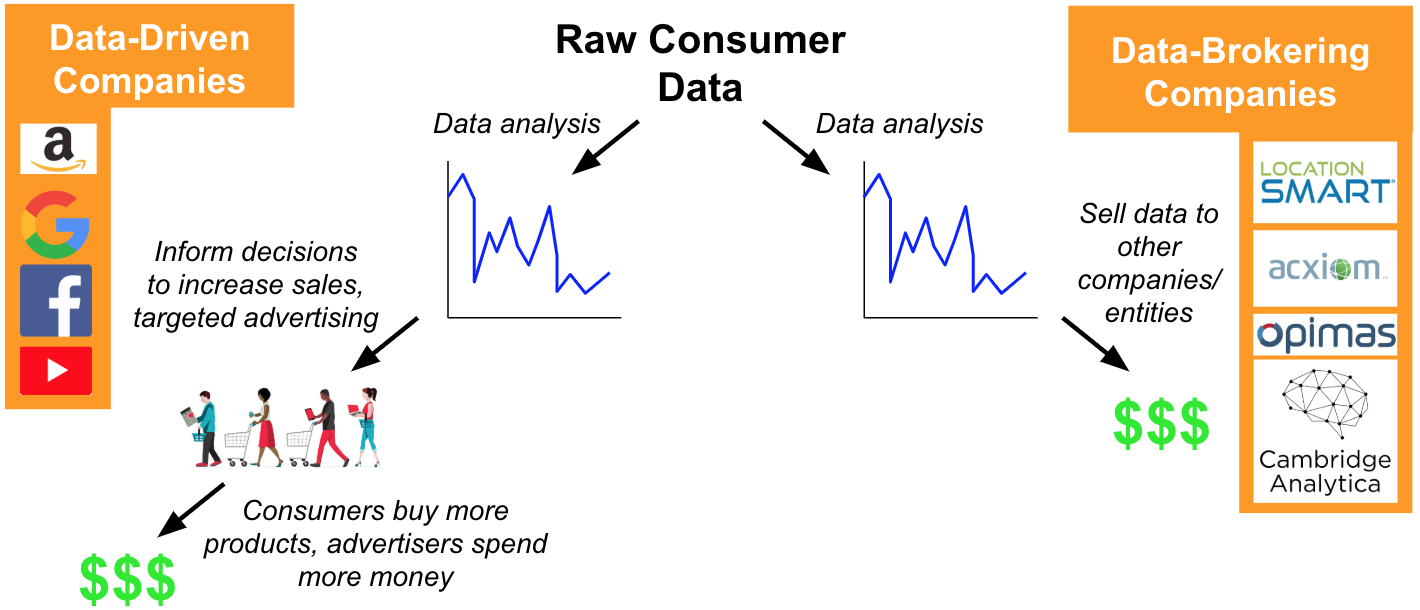
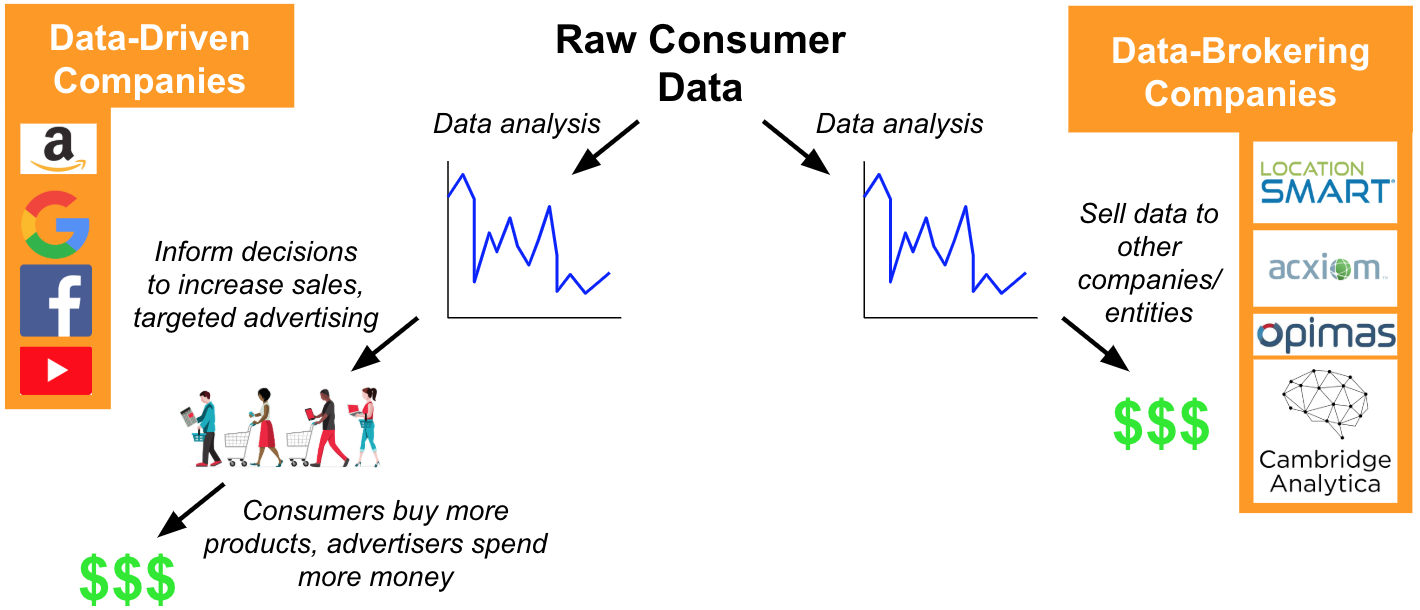
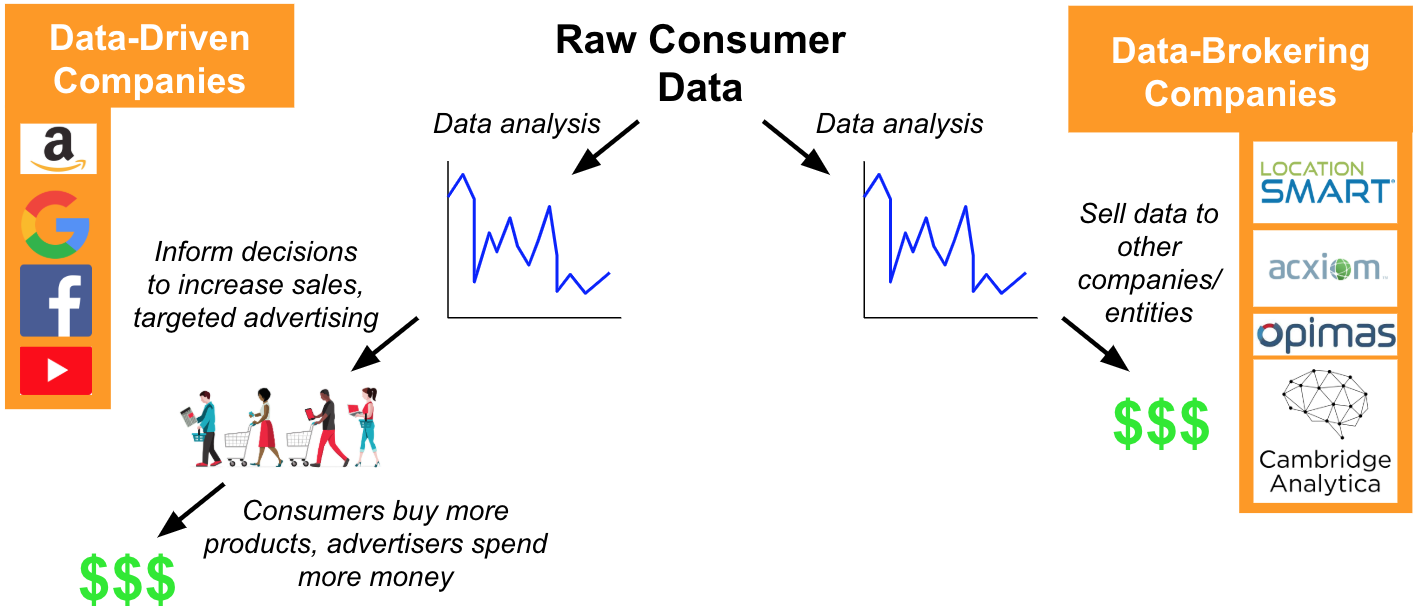
In the era of “Big Data,” the mantra for many data science teams was simple: collect everything. The prevailing belief was that more data would inevitably lead to better predictive accuracy. However, this philosophy has shifted dramatically due to rising privacy regulations, exorbitant cloud storage costs, and the technical debt associated with managing massive, uncurated datasets.
Data minimization is no longer just a regulatory compliance checkbox; it is a core engineering discipline. By intentionally limiting the data processed during the training phase, organizations can build models that are more robust, faster to train, and significantly less risky from a security perspective. This article explores how to implement rigorous data minimization strategies without compromising the performance of your machine learning models.
Key Concepts
Data minimization is the practice of collecting and processing only the data that is strictly necessary to achieve a specific, stated objective. In the context of model training, this involves two primary dimensions: feature minimization (using fewer columns/inputs) and instance minimization (using fewer rows/training examples).
Data minimization is a core tenet of the GDPR and other privacy frameworks, stipulating that personal data shall be adequate, relevant, and limited to what is necessary.
The goal is to move away from “maximalist” data ingestion toward “purpose-driven” training. This approach inherently supports the principle of privacy by design, as the model is never exposed to sensitive PII (Personally Identifiable Information) that it does not explicitly require for its mathematical function.
Step-by-Step Guide
Audit Your Input Features: Perform a feature importance analysis (such as SHAP values or permutation importance) on a pilot model. Identify features that contribute negligibly to the target metric. If a variable doesn’t provide predictive power, drop it.
Implement Strict Schema Validation: Use tools to enforce a rigid schema at the data ingestion layer. If the data incoming from an API or database does not match the required format and set of features, it should be rejected immediately before entering your data lake.
Apply Aggregation and Anonymization: Instead of training on raw, high-resolution data, aggregate it. For example, instead of using exact timestamps of user logins, use the “hour of the day” or “frequency of logins per week.” This maintains the signal while stripping the specific identity-revealing noise.
Utilize Subsampling Techniques: You rarely need millions of data points if the signal is consistent. Use statistical sampling techniques to train on a representative subset. This drastically reduces the storage footprint and training time.
Automated Data Lifecycle Policies: Configure automated “Time-to-Live” (TTL) policies on your training storage. Once a model is validated and deployed, purge the raw training data that is no longer required for retraining or audit trails.
Examples or Case Studies
Financial Services: A retail bank building a credit risk assessment model historically included a user’s full browsing history and geographical location. By implementing data minimization, they realized that “distance from branch” and “transaction velocity” were the primary drivers. By removing browsing history, they reduced their compliance liability under GDPR by 60% while maintaining the same F1-score in their credit assessment.
Healthcare Diagnostics: A medical imaging startup trained an AI to detect anomalies in X-rays. Rather than storing the full patient profile, including name, DOB, and insurance ID, they implemented a pre-processing pipeline that strips all metadata from the DICOM files and keeps only the pixel data. By training on “pixel-only” datasets, they drastically reduced the data security perimeter required to protect the model and the training environment.
Common Mistakes
Confusing Minimization with Deletion: Some teams delete data without understanding the model’s requirements, leading to “data starvation” where the model fails to learn nuanced patterns. Minimization should be selective, not indiscriminate.
Ignoring Bias during Pruning: If you remove specific data points, you might inadvertently remove data from underrepresented groups. Always test for fairness and bias metrics after performing feature selection.
Overlooking Downstream Dependency: Removing a feature that seems useless for a V1 model might break a V2 model that requires that specific data for a new feature set. Maintain a clear data lineage map before purging.
Assuming “Less Data” Means “Less Value”: Data minimization is about signal-to-noise ratio. It requires more thoughtful engineering, not just deleting columns at random.
Advanced Tips
To truly master data minimization, look into Federated Learning and Synthetic Data Generation. Federated learning allows models to learn from decentralized devices without ever sending raw data to a central server, ensuring data never leaves its source. Alternatively, synthetic data allows you to create privacy-preserving datasets that mirror the statistical properties of your real data without containing any actual PII.
Furthermore, consider implementing Differential Privacy (DP) during training. By adding “noise” to the data or gradients, you can provide mathematical guarantees that the output of the model does not reveal whether a specific individual’s data was used in the training process. This is the gold standard for high-stakes, sensitive data environments.
Conclusion
Implementing data minimization during the model training phase is a strategic advantage, not a burden. It forces data scientists to be more intentional with their architecture, reduces the surface area for security breaches, and lowers the operational costs associated with infrastructure.
By conducting thorough feature audits, employing automated lifecycle management, and prioritizing statistical signal over sheer volume, you can build leaner, faster, and more compliant machine learning models. As the regulatory landscape continues to tighten, those who treat data minimization as an engineering best practice will be the ones who maintain a sustainable and scalable AI roadmap.




Leave a Reply