
Data Minimization: Why Less Is More in the Age of Digital Privacy
Introduction
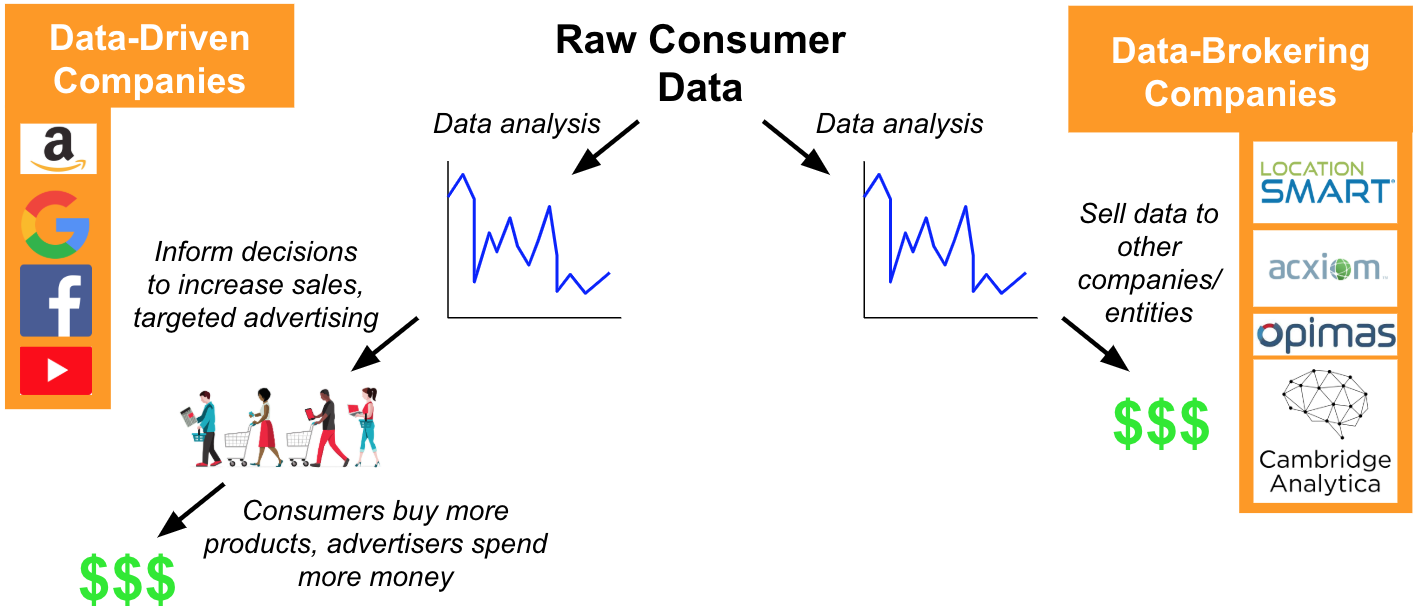
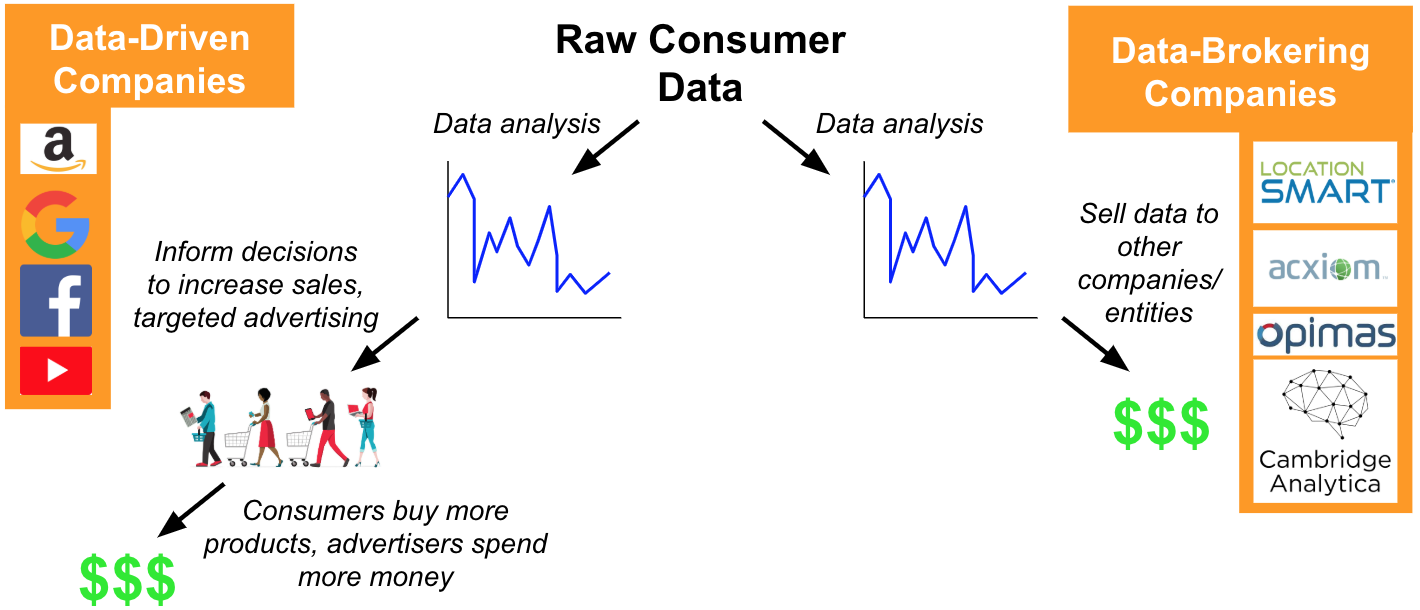
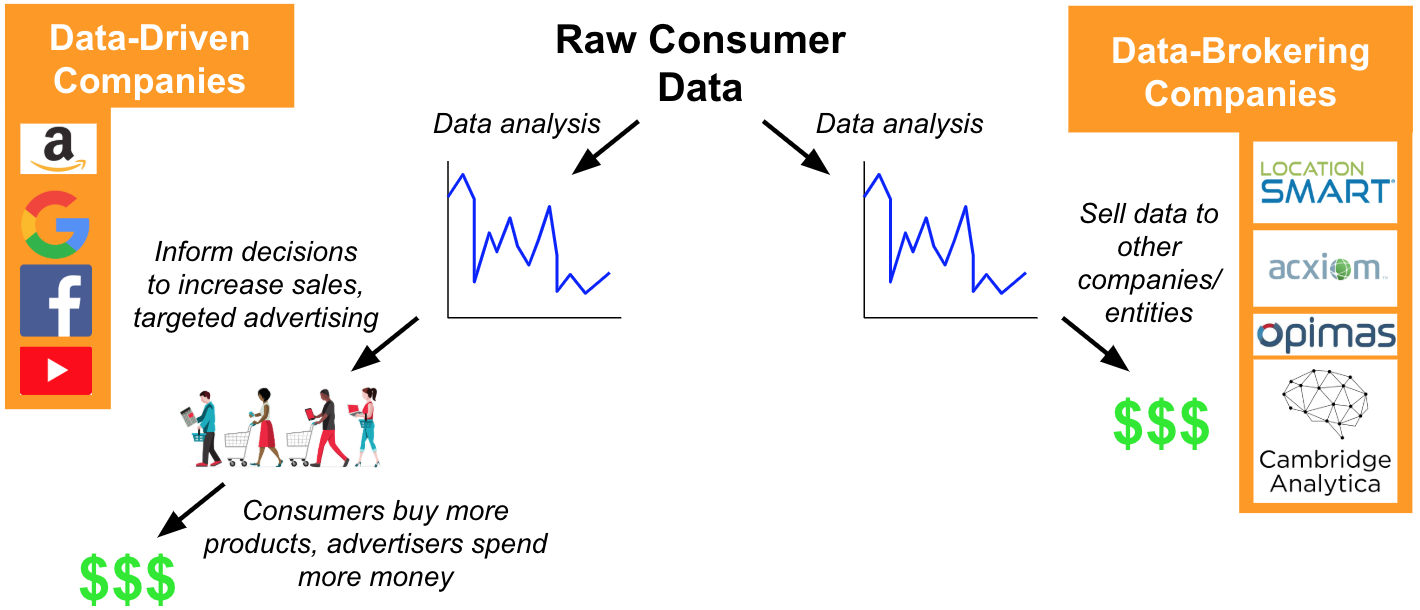
For decades, the prevailing philosophy in the tech industry was “collect everything.” Organizations treated data as a crude oil—a raw resource that might become valuable later, regardless of its immediate utility. This mindset led to massive, bloated databases filled with sensitive user information that provided little business value but carried enormous security risks.
Today, the landscape has shifted. With the rise of global privacy regulations like GDPR, CCPA, and an increasing public awareness of digital surveillance, the “hoarding” approach is no longer sustainable. Data minimization—the practice of collecting, processing, and retaining only the data strictly necessary to fulfill a specific, stated purpose—is no longer just a compliance checkbox. It is a strategic imperative that reduces risk, lowers operational costs, and builds long-term trust with users.
Key Concepts
Data minimization is built on the principle of proportionality. It asks a fundamental question: “Do we actually need this information to deliver the value we promised?”
It is helpful to categorize data into three distinct stages where minimization applies:
- Collection: Only asking for the fields required for the specific transaction. If you are building a newsletter signup, you need an email address. You do not need a date of birth, phone number, or physical address.
- Processing: Limiting the scope of how data is used. If you collect data for shipping a product, that data should not be automatically fed into a behavioral marketing algorithm without explicit, granular consent.
- Retention: Establishing clear, automated “expiration dates” for data. Information should be deleted or anonymized as soon as the original purpose for collection is fulfilled.
Data is a liability. Every byte you store is a potential security breach, a compliance burden, and a maintenance cost. When you stop hoarding data, you stop hoarding risk.
Step-by-Step Guide
Transitioning to a data-minimalist architecture requires a shift in engineering and product culture. Follow these steps to implement these practices in your digital operations.
- Conduct a Data Audit: Map out every data point you collect. Ask your team, “What is the specific business goal tied to this field?” If you cannot provide a concrete answer, mark it for removal.
- Implement “Just-in-Time” Collection: Don’t gather information upfront. Instead of forcing a user to fill out a 20-field profile upon registration, ask for information only when they trigger a feature that requires it.
- Apply Data Expiration Policies: Configure your databases to automatically purge or anonymize records after a set period. For instance, customer support tickets might be archived after two years, while logs could be purged after 90 days.
- Use Differential Privacy and Anonymization: When you need data for analytics, move away from raw datasets. Use techniques that mask individual identities, ensuring that the insights you derive remain accurate without exposing PII (Personally Identifiable Information).
- Default to Zero-Knowledge Architectures: Whenever possible, design systems where the service provider cannot see the sensitive content. End-to-end encryption is the gold standard for data minimization—by being unable to see the data, you effectively minimize the risk of a breach.
Examples and Case Studies
The practical application of data minimization often yields better user experiences alongside stronger security.
The “Guest Checkout” Advantage: E-commerce platforms that force users to create accounts to purchase items are essentially collecting data that isn’t strictly necessary for the transaction. By offering a “Guest Checkout” option, the retailer minimizes the storage of customer profiles, reduces friction, and often sees an increase in conversion rates.
Signal vs. Traditional Messengers: Signal, the encrypted messaging app, is a masterclass in data minimization. While many competitors store metadata—such as who you talk to, when, and for how long—Signal’s architecture is designed to store almost nothing beyond the date a user joined. If a government subpoenas their records, Signal literally has no data to hand over. This is a competitive advantage that builds brand loyalty.
Smart IoT Devices: Modern thermostat manufacturers have moved toward edge computing, where temperature data is processed locally on the device rather than being sent to a central cloud server. This achieves the same utility for the user while eliminating the need for the company to store a massive repository of sensitive household occupancy patterns.
Common Mistakes
Even well-intentioned teams fall into traps that undermine their data minimization efforts. Here are the most common pitfalls:
- The “Might Need It Later” Fallacy: This is the primary driver of data bloat. Storing data because it “might be useful for future AI models” is a dangerous gamble that ignores the immediate cost of storage and the massive liability of potential leaks.
- Over-collecting via Third-Party Integrations: You may be practicing minimization in your primary product but leaking data through analytics scripts or marketing trackers. Always audit your dependencies to ensure they aren’t collecting more than you know.
- Ignoring “Shadow Data”: Data exists in places beyond production databases, such as staging environments, developer local machines, and unencrypted backups. Minimization must cover the entire lifecycle of the data, not just the live production environment.
- Confusing Anonymization with Masking: Simply removing a name from a dataset often isn’t enough to make it anonymous. Advanced techniques can often re-identify individuals through pattern analysis. True minimization involves aggressive aggregation.
Advanced Tips
To truly master data minimization, move beyond basic compliance and integrate these advanced strategies into your operations.
Synthetic Data Generation: Instead of using real customer data for software testing or machine learning model training, create synthetic datasets. These datasets mimic the statistical properties of your real data without containing a single real customer record. It is a powerful way to fuel innovation without risking privacy.
Data Minimization by Design (DevOps integration): Make minimization a part of your CI/CD pipeline. Configure automated tests that flag any new code pushing more data than allowed into the database. If a developer attempts to add an “Age” field when only “Zip Code” is required for regional analytics, the build should fail automatically.
Privacy-Preserving Analytics: Invest in tools that aggregate insights at the source. For example, instead of collecting individual click-stream data and sending it to a server to be analyzed, use techniques like Federated Learning. This allows algorithms to learn from data on the user’s device, so the raw personal information never leaves the phone or computer.
Conclusion
Data minimization is not a restriction on innovation; it is a discipline that forces you to be more efficient, more secure, and more respectful of your users. By treating data as a high-maintenance asset rather than a free resource, organizations can significantly lower their risk profile while simultaneously building a brand centered on integrity.
Start small: audit your current intake, delete what you don’t need, and set up automated policies for the rest. In an era where trust is the most valuable currency, the companies that thrive will be those that prove they don’t need to know everything about their customers to provide them with excellent service.




Leave a Reply