
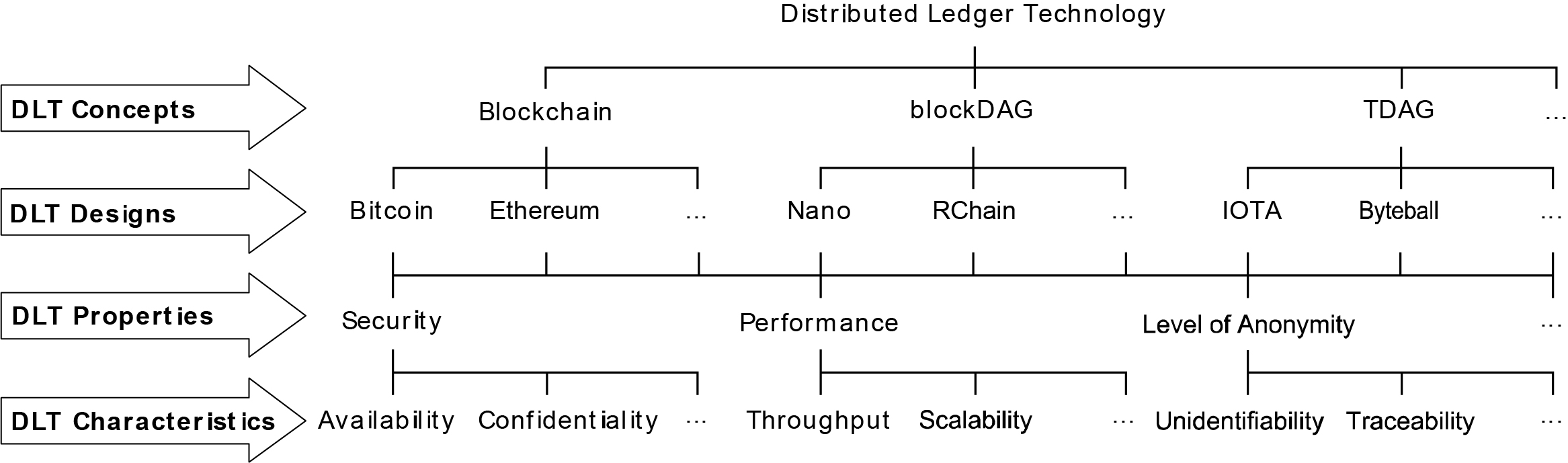
Maintaining Immutable Audit Trails with Blockchain and Distributed Ledger Technology
Introduction
In an era defined by data breaches, sophisticated fraud, and regulatory scrutiny, the integrity of an organization’s audit trail is its most valuable asset. Traditional databases, while efficient, suffer from a fundamental vulnerability: they are centralized. Whether by an accidental system glitch or a malicious insider with administrative privileges, records in a standard database can be altered, deleted, or backdated without a trace. This creates a “trust gap” that costs global industries billions in remediation, litigation, and reputational damage annually.
Distributed Ledger Technology (DLT)—often known as blockchain—shifts the paradigm by moving from a model of “trusting the administrator” to “trusting the protocol.” By creating an immutable audit trail, organizations can ensure that every transaction, log entry, and data modification is recorded in a way that is verifiable, time-stamped, and mathematically impossible to alter retroactively. This article explores how to harness this technology to build bulletproof audit systems.
Key Concepts
To implement blockchain for auditing, one must move past the hype of cryptocurrencies and focus on the technical mechanics of the ledger.
Immutability: In a blockchain context, immutability refers to the inability to change data once it has been committed to the ledger. This is achieved through cryptographic hashing. Every block contains a unique hash (a digital fingerprint) of its own data and the hash of the preceding block. If a single bit of information in a past entry is changed, the hash changes, breaking the chain and immediately signaling tampering.
Decentralization: Unlike a SQL database controlled by a single server, a distributed ledger exists across multiple nodes. Every participant (or selected group of participants) holds a copy of the ledger. This consensus mechanism ensures that no single entity can rewrite history without the agreement of the network.
Smart Contracts: These are self-executing contracts with the terms of the agreement directly written into code. For auditing, smart contracts are revolutionary; they can automatically trigger validation protocols, flag suspicious activities, and ensure that only authorized entities can commit data to the ledger.
Step-by-Step Guide
Implementing an immutable audit trail requires a structured approach to ensure the technology matches the business process.
- Define the Scope and Data Sensitivity: Not every byte of data needs to live on a blockchain. Identify high-stakes information—such as financial transactions, legal contracts, or supply chain provenance—that requires an audit trail. Storing large files directly on-chain is inefficient; instead, store the file off-chain (e.g., in secure cloud storage) and save only the cryptographic hash of that file on the blockchain.
- Select the Right Network Architecture: Choose between public (permissionless) and private (permissioned) blockchains. For corporate audit trails, permissioned blockchains like Hyperledger Fabric or R3 Corda are usually superior. They provide the necessary privacy and high throughput while maintaining the audit benefits of distributed consensus.
- Design the Consensus Mechanism: Determine who has the authority to validate entries. In a corporate environment, a Proof-of-Authority (PoA) model is common, where designated nodes (e.g., internal audit department, external regulators, and C-suite) verify the legitimacy of transactions.
- Implement Time-Stamping and Hashing: Integrate your existing enterprise resource planning (ERP) or customer relationship management (CRM) software to push hash values to the blockchain whenever a significant event occurs. This creates an external, verifiable record that correlates with your internal logs.
- Develop a Visualization and Verification Layer: An audit trail is useless if it is difficult to read. Build a dashboard that allows auditors to search and verify entries. This tool should demonstrate that the current state of the database matches the hash stored on the blockchain.
Examples and Case Studies
The practical application of these systems is already transforming high-compliance sectors.
Supply Chain Provenance (The Pharmaceutical Industry): Drug manufacturers face immense pressure to prevent counterfeit medication. By using an immutable ledger, every handoff of a drug—from factory to wholesaler to pharmacy—is recorded. If a batch is found to be defective, auditors can trace the provenance of that specific unit in seconds, providing a level of transparency that traditional paper-based or centralized digital records cannot match.
“The beauty of using a blockchain for audit trails isn’t just about security; it’s about the massive reduction in the time and cost required for external audits. We no longer spend weeks reconciling records; we spend minutes verifying hashes.” — Industry Blockchain Architect
Financial Regulatory Reporting: Financial institutions often struggle to comply with AML (Anti-Money Laundering) regulations. By logging KYC (Know Your Customer) and transaction data on a distributed ledger, banks can provide regulators with read-only access to a time-stamped, unalterable trail. This eliminates the “trust me” aspect of compliance and replaces it with “verify me” capabilities.
Common Mistakes
- Storing Sensitive Data Directly on the Ledger: Because the blockchain is designed to be immutable, accidentally committing GDPR-sensitive data (like social security numbers) can lead to permanent compliance violations. Always hash data before putting it on-chain.
- Neglecting Node Security: While the ledger itself is immutable, the entry point is not. If your internal API that communicates with the blockchain is compromised, bad data can be “recorded” as valid. Secure your middleware with the same rigor as your database.
- Over-Engineering the Consensus: Attempting to use a global public blockchain for a private internal audit trail is often overkill, expensive, and slower than necessary. Start with a permissioned framework that fits your organization’s governance model.
- Ignoring Scalability: Many blockchain projects fail because they underestimate the volume of transaction logs generated by a large enterprise. Ensure your architecture can handle the intended throughput of your audit logs without creating a bottleneck.
Advanced Tips
To take your audit trails to the next level, consider integrating Zero-Knowledge Proofs (ZKPs). ZKPs allow one party to prove to another that they know a piece of information or that a transaction is valid without revealing the underlying data. This is a game-changer for industries that require strict confidentiality but also need to prove they are compliant with regulations.
Furthermore, consider adopting Oracle services. Oracles act as bridges between your blockchain and real-world data sources (like IoT sensors on a factory floor or market data feeds). Using decentralized oracles ensures that the data being audited is not only stored immutably but was sourced from a trustworthy, verified origin.
Finally, treat your audit trail as a live product rather than a static backup. Modern audit software should include automated alerts. If an entry is attempted that violates a smart contract rule, the system should trigger an immediate alert to the compliance officer, effectively turning an audit tool into an active prevention tool.
Conclusion
Moving to an immutable audit trail using blockchain technology is no longer a futuristic concept; it is a tactical necessity for any organization operating in a high-risk or highly regulated environment. By transitioning from centralized, fragile systems to distributed, cryptographically secured ledgers, companies can achieve a level of transparency that simplifies compliance, deters internal fraud, and builds lasting trust with stakeholders.
Start small by identifying a single process that currently lacks a robust verification mechanism. Design, implement, and test a permissioned ledger to handle the hashing of those records. Once the value is proven, the scalability of DLT allows you to expand the system across your enterprise. In the digital age, the ability to prove that your data is exactly as it was intended to be is the ultimate competitive advantage.



Leave a Reply