The Core Mechanism: How biological “symbols” (DNA sequences) link to digital ledger states.
Implementation Guide: A framework for building a Bio-DLT standard.
Real-World Applications: From decentralized bio-manufacturing to intellectual property tracking.
Common Pitfalls: Addressing the “Oracles Problem” and biological drift.
Advanced Considerations: Scaling through decentralized autonomous laboratory networks.
Conclusion: The future of programmable life on the blockchain.
Symbol-Grounded Programmable Biology: Architecting the Future of Distributed Ledgers
Introduction
For decades, synthetic biology has functioned as an isolated silo, constrained by proprietary databases and centralized laboratory oversight. Simultaneously, Distributed Ledger Technology (DLT) has revolutionized how we track value and truth in digital ecosystems. The missing link is a universal standard for symbol-grounded programmable biology—a framework that bridges the gap between digital code and physical biological reality.
By grounding biological symbols—specific DNA sequences, metabolic pathways, and protein folding patterns—into the immutable, transparent nature of DLT, we can move toward a future where bio-manufacturing is verifiable, autonomous, and globally accessible. This is not merely about storage; it is about creating a “source of truth” for the building blocks of life.
Defining Symbol-Grounded Programmable Biology
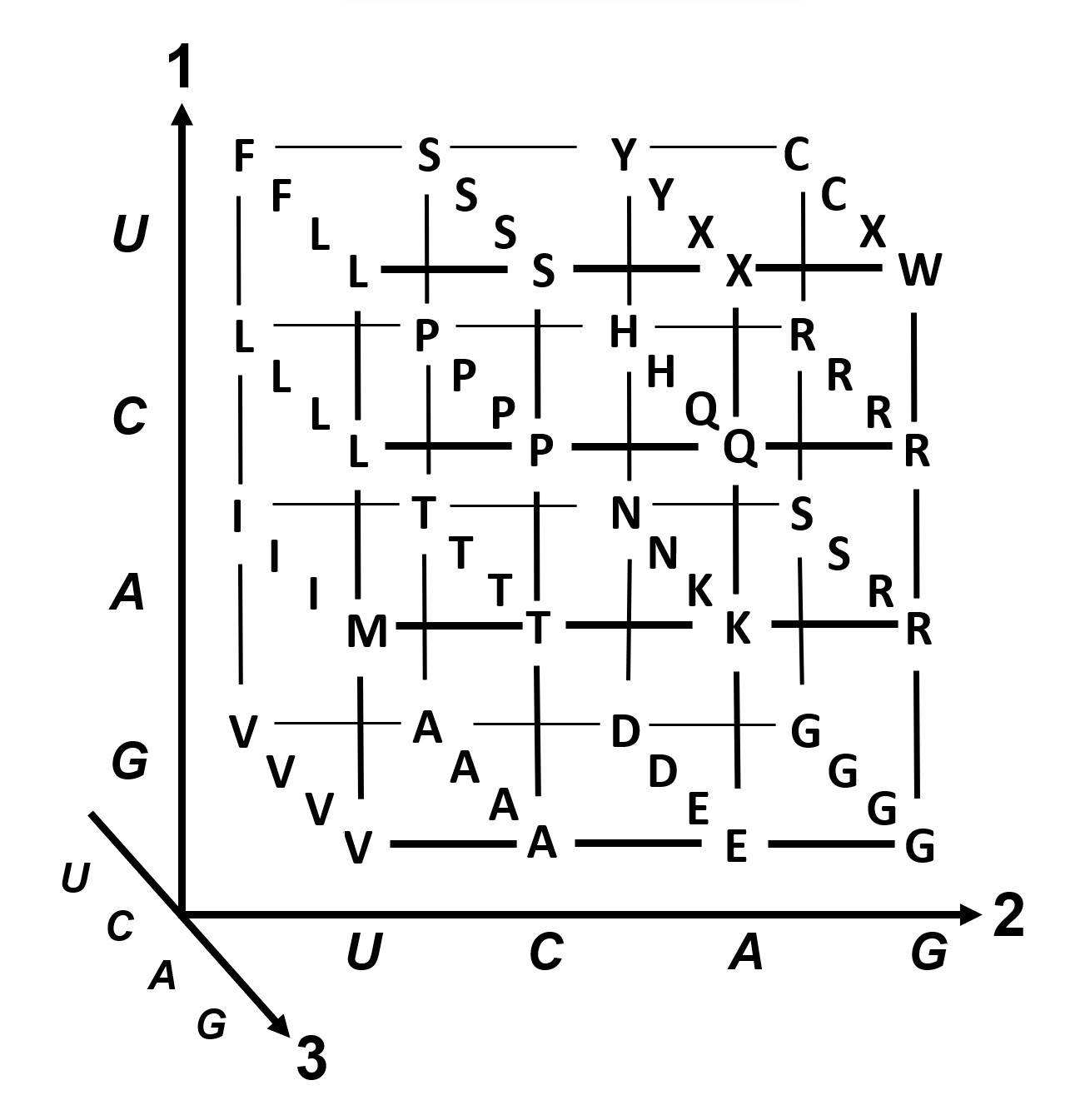
In computer science, symbol grounding refers to the process by which symbols (like a string of code) acquire meaning through their connection to the physical world. In the context of programmable biology, the “symbol” is the genetic sequence, and the “grounding” is the verifiable expression of that sequence in a living system.
When we apply this to a Distributed Ledger, we are creating a system where the DNA sequence is not just a string of characters in a database, but a cryptographically signed asset that carries metadata about its provenance, functional intent, and safety parameters. This ensures that when a researcher requests a synthetic organism, the ledger provides a verifiable “proof of function” before the biological material is ever synthesized.
Key Concepts
To understand the integration of DLT and synthetic biology, we must look at three foundational pillars:
Biological Oracles: These are the bridges between the physical lab and the digital chain. They ingest empirical data—such as sequencing results or metabolic output—and commit them as immutable hashes to the ledger.
Semantic DNA Standards: Moving beyond simple FASTA files, these are descriptive data structures that define the behavior of a sequence, allowing the ledger to “understand” what the organism does.
Smart Bio-Contracts: Self-executing agreements that trigger downstream processes—such as automated payment or chemical release—only when the biological output matches the pre-defined digital specification.
Step-by-Step Guide: Implementing a Bio-DLT Standard
Standardize Genetic Representation: Adopt a universal metadata schema (such as the Synthetic Biology Open Language – SBOL) and anchor its hash to the distributed ledger. This creates an unchangeable identity for every genetic construct.
Establish Consensus Oracles: Deploy a network of decentralized labs that provide independent verification of biological expression. No single lab should be the arbiter of truth; instead, use a multi-signature consensus model where multiple labs must verify the output of a genetic construct.
Develop Immutable Provenance Trails: Every iteration of a genetic sequence must be recorded as a transaction. This allows researchers to trace the “lineage” of a synthetic organism back to its initial design, ensuring IP compliance and safety auditing.
Deploy Smart Bio-Contracts: Write logic that governs the use of the DNA. For example, a contract might allow a sequence to be used only in BSL-1 (Biosafety Level 1) environments, automatically blocking access if the user cannot provide a verifiable, cryptographically signed certification of their lab environment.
Real-World Applications
The application of a symbol-grounded standard has profound implications for global health and manufacturing:
Imagine a global, decentralized pandemic response. Instead of relying on a single pharmaceutical company to ship vaccines, a sequence is uploaded to the ledger. Local, decentralized bio-printers verify the sequence hash, execute the synthesis, and the ledger automatically releases the licensing royalties to the researchers—all without a centralized intermediary.
Another application is Supply Chain Transparency for Biologics. By grounding every step of the fermentation process in a DLT, manufacturers can prove the purity and origin of their biological products, effectively eliminating the risk of counterfeit medical treatments.
Common Mistakes
Treating DNA as Static Data: A common error is assuming that a DNA sequence remains identical across generations. Biological systems undergo mutations; therefore, the ledger must account for “drift” by allowing for evolving state records rather than static snapshots.
Ignoring the Oracle Problem: If the data fed into the blockchain is flawed, the entire system fails. Never rely on a single laboratory oracle. Always require multi-party computation or consensus-based verification of physical biological outputs.
Neglecting Biosafety/Biosecurity: A ledger is transparent by design. Putting dangerous DNA sequences on a public, immutable ledger is a security risk. Use private, permissioned side-chains for sensitive research while keeping the proof of verification on the public mainnet.
Advanced Tips
For those looking to build deeper into this ecosystem, consider the concept of “Proof of Synthesis.” This involves integrating hardware-level monitoring directly into the bio-printers. When a sequence is executed, the machine signs the event with a hardware-backed private key, ensuring that the physical output corresponds exactly to the digital command stored on the ledger.
Furthermore, look into Zero-Knowledge Proofs (ZKPs). ZKPs allow a lab to prove that their biological output matches the required safety profile (e.g., “this organism does not contain pathogenic genes”) without revealing the entire proprietary genetic sequence to the network. This protects intellectual property while maintaining rigorous safety standards.
Conclusion
Symbol-grounded programmable biology represents the next evolution of synthetic biology. By transitioning from centralized, opaque databases to a decentralized, verifiable ledger, we can accelerate innovation, ensure ethical compliance, and create a resilient infrastructure for the bio-economy. The goal is not just to code life, but to ensure that the code is grounded in a reality that we can collectively trust and verify. As we refine these standards, we move closer to a world where the power of biology is accessible, safe, and distributed to all.


Leave a Reply