Most industrial leaders view energy as a variable cost—a line item on the P&L that fluctuates with market volatility. This is a strategic error. In a high-performance organization, energy is not a cost; it is an infrastructure constraint. As we transition toward intermittent renewable sources, the volatility of power supply threatens to become the primary bottleneck for operational continuity. The solution lies in decoupling generation from consumption through thermal energy storage.
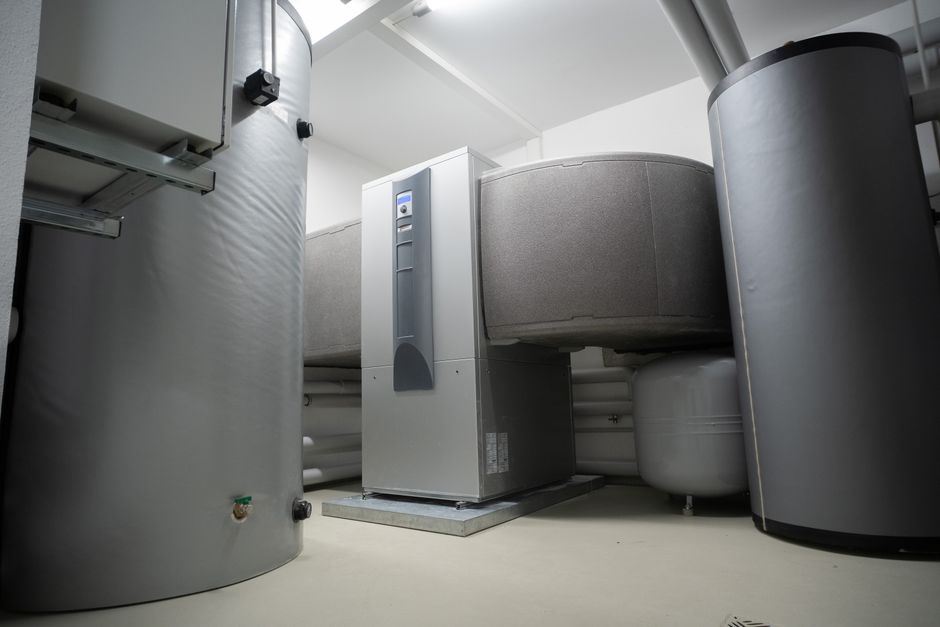
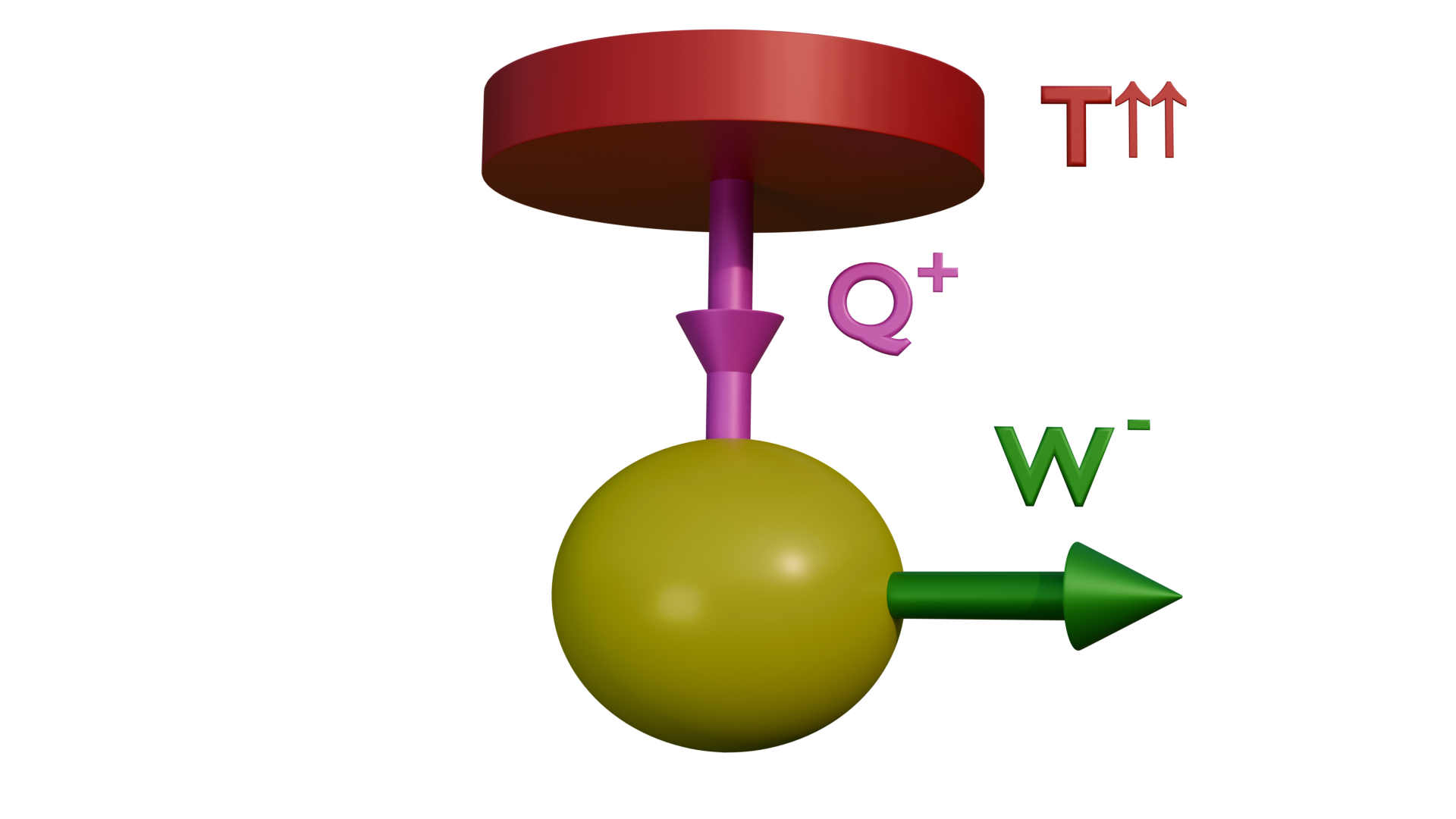
When you shift the frame from “buying electricity” to “managing heat cycles,” you gain a massive advantage. Thermal storage allows a facility to ingest energy when it is abundant—and cheap—and discharge it as heat or process steam exactly when the production line demands it. This isn’t just about sustainability; it is about securing a predictable, low-cost baseline in an increasingly unpredictable energy market.
Beyond Batteries: The Physics of Scale
The obsession with chemical batteries (lithium-ion) often blinds decision-makers to the superior economics of thermal media. While batteries are excellent for high-power, short-duration discharges, they struggle with the massive, multi-hour capacity requirements of heavy industry. Thermal storage—utilizing materials like molten salt, phase-change materials, or even simple crushed rock—operates on a different scale of capital efficiency.
The operational excellence imperative here is simple: eliminate the friction of supply. By storing energy as heat, you effectively create a buffer that insulates your core business from grid instability. This is the difference between a reactive organization that halts production during peak pricing and a proactive enterprise that treats energy as a programmable asset.
Strategic Integration: Turning Heat into Leverage
Implementing thermal storage requires a shift in how your engineering and finance teams collaborate. You are no longer just procuring equipment; you are designing a thermal strategy. Consider these three dimensions of execution:
Temporal Arbitrage: Use your thermal storage to absorb excess renewable energy during off-peak hours. You essentially turn your facility into a grid stabilizer, often qualifying for utility incentives that subsidize the capital expenditure.
Process Continuity: By integrating thermal buffers into your steam or HVAC loops, you protect your output from momentary grid outages. This is high-performance risk mitigation.
Asset Longevity: Unlike chemical batteries which degrade with every cycle, many thermal storage media are inert and durable. You are building a long-term capital asset rather than a consumable component.
The Decision-Making Framework for Energy Infrastructure
When evaluating the adoption of strategy-led energy solutions, leaders must move past simple payback periods. Instead, apply a “system-resilience” metric. How much does a two-hour power interruption cost your production line? What is the premium you pay for peak-load electricity over a five-year horizon? When you map these costs, the upfront investment in thermal storage often reveals itself as a high-yield insurance policy.
Effective decision-making in this space requires moving away from silos. Your energy management team must report to the same strategic entity as your supply chain and operations heads. Energy is a fundamental input, and when you optimize the input, you widen the margins of the entire organization.
The Future of Industrial Autonomy
The companies that master the physics of energy storage will possess a competitive moat that their rivals cannot replicate. As the grid becomes more volatile, the cost of “doing nothing” will rise exponentially. Those who view thermal energy storage as a strategic tool for operational autonomy will maintain the ability to execute, regardless of external market conditions. The objective is not to follow the grid, but to build an internal environment where your production requirements dictate your energy profile, not the other way around.