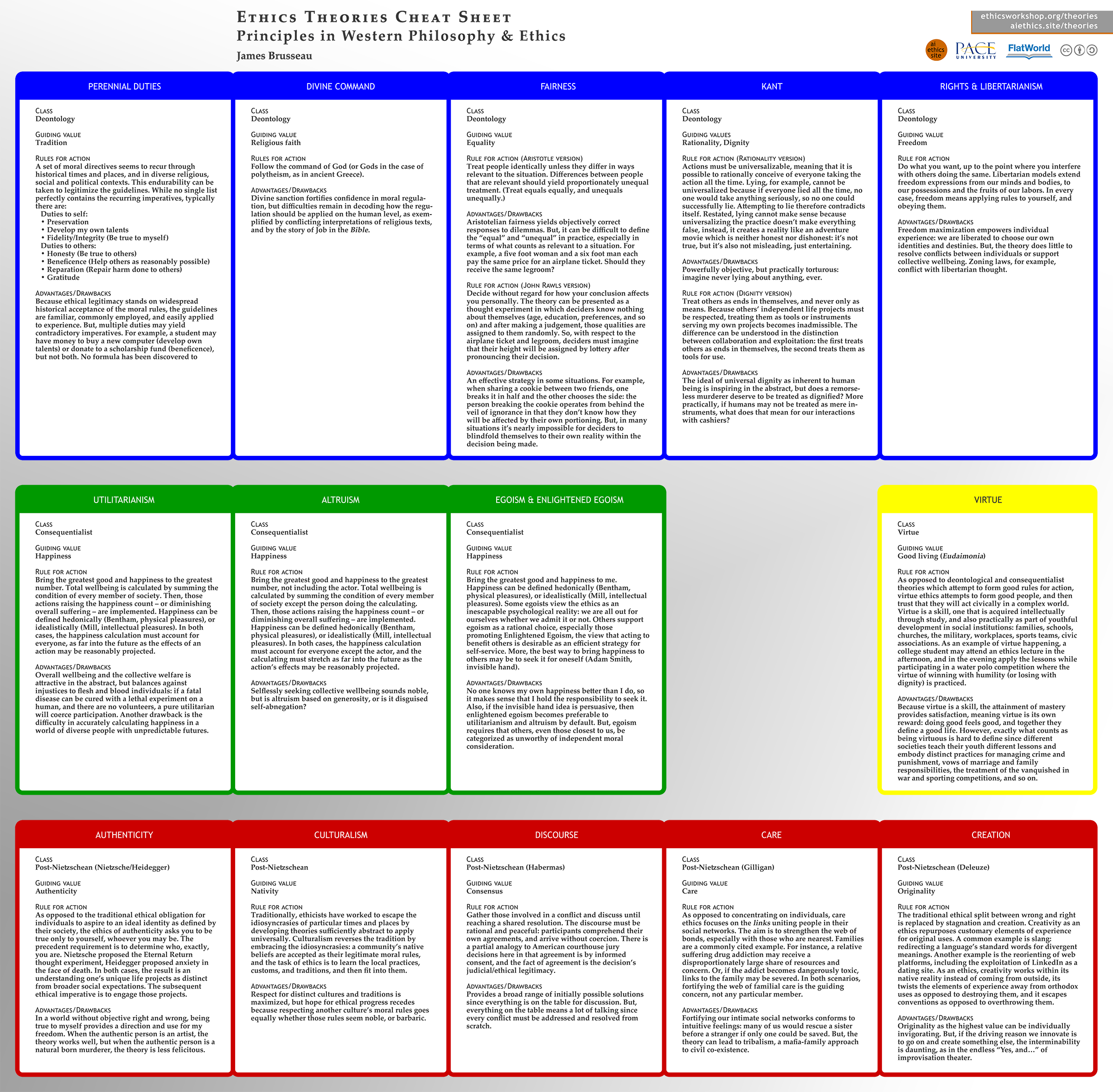
The Moral Architecture: Why Faith Perspectives Are Essential for AI Trust
Introduction
Artificial Intelligence is no longer a peripheral technology; it is the infrastructure of modern decision-making. From hiring algorithms and loan approvals to diagnostic healthcare tools, AI is making judgments that were once the exclusive domain of human conscience. Yet, as the power of these systems grows, public trust is eroding. We are witnessing a crisis of confidence driven by “black box” logic, data bias, and a lack of accountability.
While industry leaders often look to regulatory frameworks and technical benchmarks to restore trust, there is a missing ingredient: the deep, historical, and philosophical wisdom found in faith traditions. Integrating faith perspectives into technical design is not about endorsing specific religious doctrines. Rather, it is about incorporating the enduring principles of human dignity, stewardship, and humility into the code. When technical architecture reflects the values inherent in faith—such as the sanctity of the individual and the duty to the marginalized—we move closer to building systems that are not just “efficient,” but truly trustworthy.
Key Concepts
To integrate faith perspectives into AI design, we must first define how these traditions intersect with computer science. This is not about coding “religion” into an algorithm, but rather translating wisdom into design constraints.
Human Dignity and Agency: Most major faith traditions hold that human beings possess an inherent, non-negotiable value. In AI, this translates into the principle that humans must always remain “in the loop.” Systems should augment human agency, not replace or manipulate it.
Stewardship: This concept suggests that those who hold power—or create powerful tools—are responsible for the long-term impact on the community and the planet. Applied to AI, this moves the conversation beyond quarterly profits and toward a “social responsibility” model that anticipates secondary effects.
Humility and Fallibility: Many faith perspectives acknowledge the inherent brokenness or limitation of human effort. In technical terms, this is the recognition that no dataset is perfectly objective and no algorithm is free of bias. A “humble” system is one that includes robust mechanisms for error reporting, correction, and algorithmic transparency.
Step-by-Step Guide: Integrating Wisdom into Design
Integrating these values requires a shift from viewing AI as purely mathematical to viewing it as a socio-technical construct. Follow these steps to implement these values in your development cycle.
Establish a Multi-Disciplinary Ethics Board: Do not leave design decisions to engineers alone. Include ethicists, sociologists, and representatives from diverse community backgrounds—including those rooted in faith—to pressure-test the underlying assumptions of your model.
Conduct an “Impact on Dignity” Audit: Before deployment, ask: Does this AI erode the dignity of the people it touches? If an AI system replaces a human interaction with a cold, automated rejection, it may be technically sound but morally deficient.
Design for “Explainable Stewardship”: If an AI makes a significant decision, the system must be able to justify it. Transparency is a form of accountability. Stewardship requires that you can look a user in the eye and explain why a choice was made, rather than hiding behind the “computer said no” excuse.
Implement Human-Centric Override Protocols: Ensure that, regardless of the output, there is always a path for human intervention. This honors the faith-based concept of individual agency by refusing to allow technology to have the final word on a person’s future.
Continuous Monitoring for Bias: Since no human—and thus no data—is perfect, build “humility” into the system by creating feedback loops where stakeholders can challenge AI outcomes without fear of retaliation.
Examples and Case Studies
Healthcare Triage Algorithms: Consider a healthcare algorithm designed to allocate limited resources like organ transplants or intensive care beds. A purely utilitarian approach might focus only on “success probability.” However, by incorporating a faith-based “dignity” lens, designers might introduce weighted factors that ensure equitable access for vulnerable or elderly populations who might otherwise be statistically discarded, thus reflecting the value that every life has intrinsic worth.
Financial Lending Models: Many credit-scoring models rely on historical data that is riddled with systemic bias. Companies that approach design through a lens of social justice—often rooted in the “neighborly love” and “justice for the oppressed” teachings found in Abrahamic faiths—have begun to proactively adjust their models to identify “credit-invisible” populations. By choosing to seek out hidden potential rather than just penalizing past data, they are applying the principle of stewardship to uplift communities.
Common Mistakes
Treating Ethics as a Checklist: Many organizations view “AI Ethics” as a one-time compliance task. True integration is a culture, not a document. If it doesn’t influence your core architecture, it is merely performative.
Ignoring the “Black Box” Problem: When designers prioritize speed and performance over transparency, they ignore the requirement of honesty. If you cannot explain your AI’s decision, you lack the moral authority to use it.
Prioritizing Efficiency over Equity: Efficiency is a business metric; equity is a moral metric. If your design favors the former at the total expense of the latter, you will inevitably erode the public’s trust.
Homogeneous Development Teams: If your team shares the same worldview, you will have blind spots. Diversity—including diversity of philosophical and faith perspectives—is the best defense against algorithmic bias.
Advanced Tips
To move toward a more sophisticated implementation, consider the concept of “Value Sensitive Design.” This is a methodology that accounts for human values throughout the design process. Rather than starting with a dataset, start with a set of “human values” and build the system to satisfy them as primary constraints.
“True progress in AI is measured not by how well a machine performs, but by how well it serves the fundamental needs of the human spirit—dignity, fairness, and the capacity for growth.”
Furthermore, engage in “adversarial testing” with an ethical twist. Instead of just trying to break the code, try to find ways in which your AI could inadvertently harm a specific, vulnerable population. Use these simulations to build protective “guardrails” that prevent the AI from defaulting to discriminatory outcomes, even when the data suggests otherwise. This proactive design is the ultimate expression of technological stewardship.
Conclusion
The integration of faith perspectives into technical design is not an archaic exercise; it is a vital strategy for the modern age. As AI becomes the arbiter of opportunity and access, we must ground our engineering in principles that transcend quarterly KPIs. By emphasizing human dignity, stewardship, and humility, developers can move beyond the “black box” and create systems that the public can actually trust.
Trust is not generated through marketing campaigns or defensive public relations; it is earned through the painstaking work of aligning technology with the deepest-held values of humanity. When we treat our code as a reflection of our moral character, we create systems that are not only smarter, but significantly more just. That is the path forward for the future of AI.
Contents 1. Introduction: Redefining XAI success from “algorithmic transparency” to “actionable utility.” 2. Key Concepts: Defining XAI in the context…
Why Cross-Functional Review Boards Are Essential for XAI Documentation Introduction Artificial Intelligence is no longer a “black box” experiment hidden…
Outline Introduction: The tension between black-box complexity and regulatory necessity in finance. Key Concepts: Defining XAI (SHAP/LIME) and the “curse…