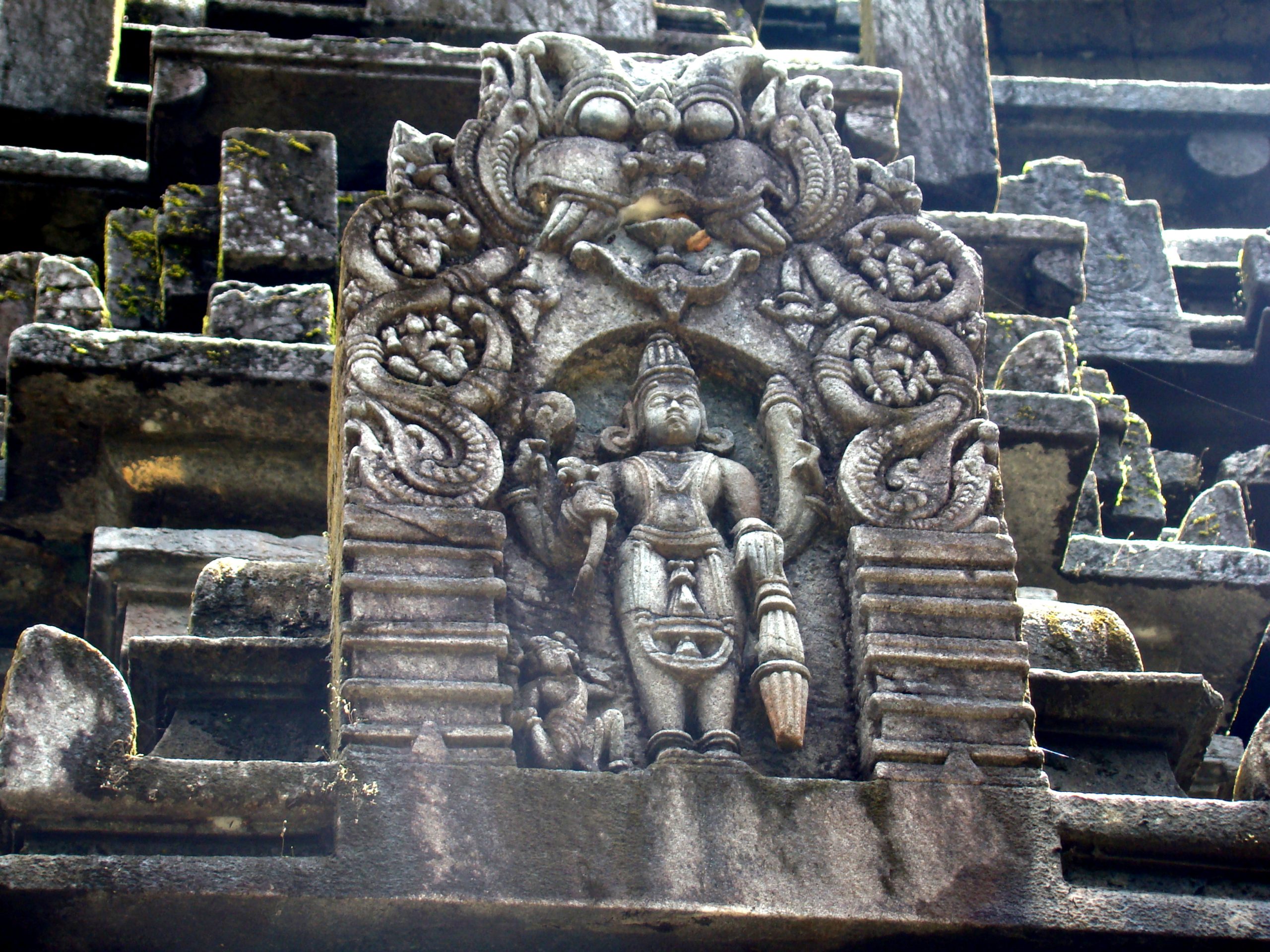
In our previous exploration of the Hibil Ziwa archetype, we discussed the necessity of infiltrating the ‘World of Darkness’ to extract latent value. But there is a dangerous counter-phenomenon that every executive must confront: The Ialdabaoth Trap.
In Gnostic cosmology, Ialdabaoth is the ‘blind god’—a demiurge who believes he is the supreme architect because he sits atop a hierarchy of his own making, unaware of the higher light beyond his constructed reality. In business, this is the innovator’s paradox: you start by disrupting a stagnant industry, only to become a bloated, rule-bound, and visionless gatekeeper yourself.
The Pathology of the Accidental Demiurge
Why do agile startups eventually transform into the very legacy organizations they once mocked? It is not merely bad management. It is a structural failure of vision. When a company successfully extracts ‘light’ (market share or IP) from a chaotic sector, they often stop acting like Hibil Ziwa (the infiltrator) and start acting like Ialdabaoth (the administrator).
They build walls. They codify bureaucracy. They prioritize the protection of the domain over the evolution of the craft. They become blind to the fact that their ‘disruptive’ solution has become the new ‘Darkness’—the status quo that a younger, hungrier entity will eventually come to dismantle.
How to Avoid the Ialdabaoth Descent
If you want to maintain long-term dominance without becoming a relic, you must practice Systemic Re-entry. You cannot simply build a fortress; you must constantly audit the very systems that have brought you success.
1. The Principle of Controlled Obsolescence
The most dangerous thing an executive can say is, ‘This is our core competency.’ Once a competency is defined, it begins to rot. Use the Ziwa methodology on your own internal processes every quarter. Ask: If we were a competitor launching today, what feature or internal policy would we weaponize to destroy our current model?
2. Decentralize the Uthra Units
When teams grow large, the ‘Ialdabaoth’ effect takes hold—the focus shifts from creation to compliance. Keep your ‘Uthra’ teams—your R&D, your growth hackers, your strategy units—functionally and culturally isolated from the operational machine. Let them operate under a different set of KPIs than the rest of the company. If they start acting like middle management, they have lost their edge.
3. Maintaining ‘Ontological Detachment’
An Uthra does not fall in love with the tools he uses; he falls in love with the extraction of value. Leaders often get blinded by the ‘Sunk Cost’ of their own infrastructure. True Transcendence requires the willingness to burn your own ship if it no longer serves the extraction of higher-order value. If your platform, your team structure, or your branding is anchoring you to a stagnant phase of your market, you are no longer a disruptor. You are a curator of a museum.
The Contrarian Reality
The business world is obsessed with ‘scaling.’ But scaling without soul—without the constant, high-level intelligence and tactical detachment of the Hibil Ziwa archetype—simply creates a larger target. The bigger you are, the more you resemble the ‘Darkness’ you once sought to escape.
To remain the hunter, you must never allow yourself to feel like the king. The moment you believe you have ‘won’ the market, you have entered the Ialdabaoth phase. You have stopped extracting light and started counting shadows. Stay small in your thinking, stay lethal in your analysis, and never, ever believe that your current success is anything more than a temporary bridge to the next, more complex, descent.
Outline Introduction: Bridging the psyche and the cosmos through Jungian archetypes. Key Concepts: Defining the “Gods” within—archetypes as autonomous energy…
Contents 1. Introduction: The “Curse of Knowledge” and the necessity of audience-centric communication. 2. Key Concepts: Defining personalized explanations (The…