
In the previous discussion of the Mehiel archetype, we explored the necessity of intellectual sovereignty to counter the chaos of the ‘Haures effect.’ While the preservation of mental clarity is the foundation of high-level strategy, there is a dangerous trap lurking in how modern leaders interpret this clarity: the cult of the ‘constant pivot.’
The Mirage of the Agile Strategist
We live in an era that fetishizes agility. If a market signal flickers or a competitor makes a move, the modern CEO feels a pressure to re-align, re-structure, and re-brand. This is often framed as ‘strategic flexibility,’ but in reality, it is a symptom of cognitive fragmentation. True intellectual sovereignty is not the ability to change your mind quickly; it is the discipline to refuse to move when the signal is noise.
The Contrarian Take: Strategic Inertia as a Competitive Advantage
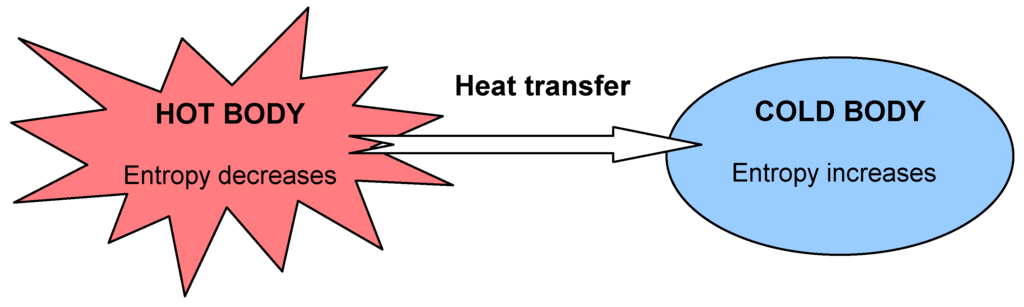
While the Mehiel framework provides the clarity to identify reality, the most overlooked application of that clarity is strategic inertia. If you possess a high-signal, long-term vision, the forces of entropy—those chaotic pressures that demand a reactive response—are not obstacles to be navigated. They are the friction that wears down your competitors who lack your resolve.
Most companies go bust not because they failed to pivot, but because they panicked and abandoned their core infrastructure to chase a market anomaly. When you treat every market shift as a signal, you are simply signaling your own instability to the market.
The ‘Deep Stillness’ Protocol: Beyond the Audit
If the Mehiel Strategy is the process of auditing your bias, the next logical step for the elite operator is the Deep Stillness Protocol. This is not about active management or realigning; it is about the deliberate refusal to act until the entropy clears.
1. The 72-Hour Threshold: When faced with a major strategic disruption, enforce a mandatory ‘no-decision’ window. The Haures-like influence relies on the urgency of the moment to force an error. By simply waiting, you collapse the majority of false-positive threats.
2. The Integrity Stress Test: Ask yourself: ‘Does this change fundamentally strengthen my core value proposition, or is it a decorative attempt to appear relevant?’ If it is the latter, it is entropy masquerading as progress. Delete it.
3. The Sovereignty Filter: Evaluate your advisors. Does your inner circle provide objective reality, or do they offer ‘actionable’ advice that serves their need to feel useful? A true sovereign leader collects insights, not activity.
The Elite Conclusion
Real intellectual sovereignty is not the ability to react. It is the power to stand still while the industry burns itself out on the altar of unnecessary pivots. By cultivating the discipline of non-action, you ensure that when you finally do decide to move, the force behind that decision is absolute, intentional, and, ultimately, impossible to stop. Don’t be the architect of your own disruption; be the architect of a vision that is too grounded to be shaken.




Leave a Reply