The concentration of AI power in a few corporations poses a threat to competitive markets.
— by
Steven Haynes
The AI Oligopoly: How Concentrated Power Threatens Competitive Markets
Introduction
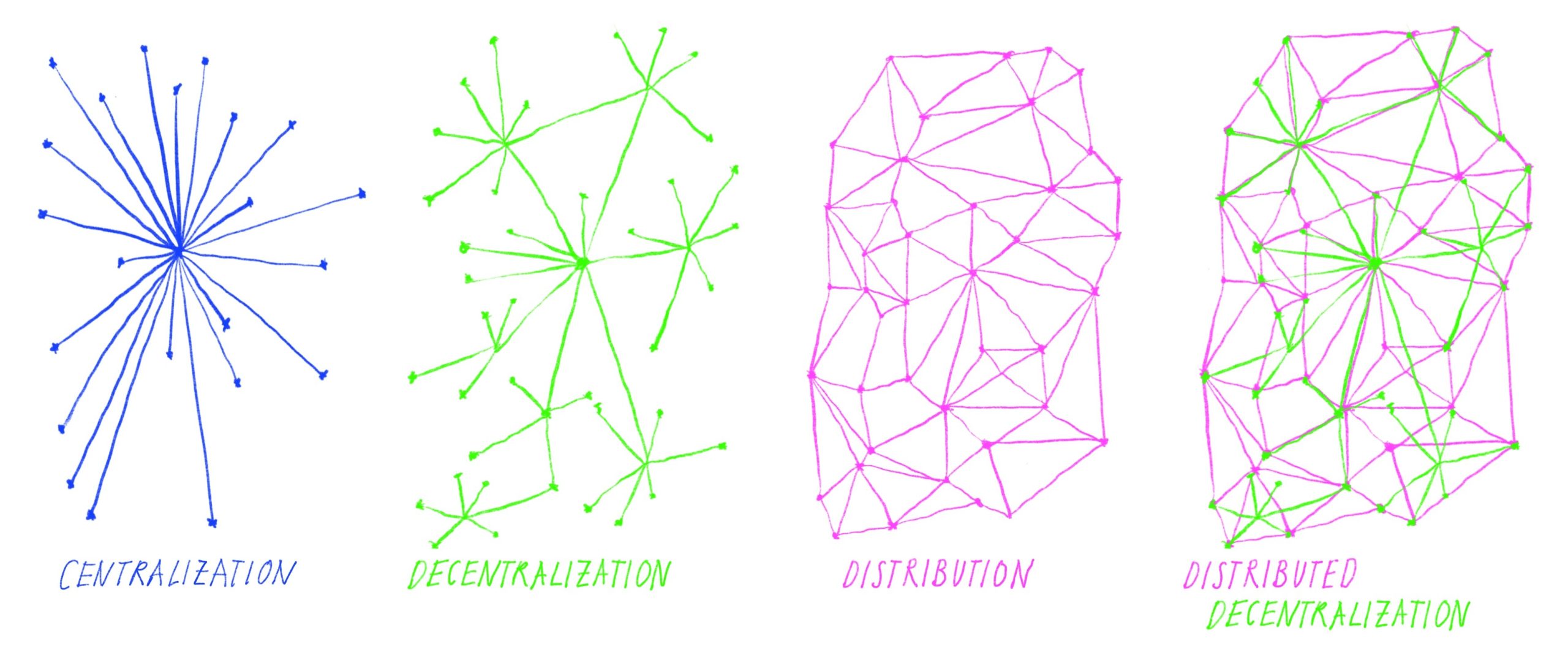
Artificial Intelligence is no longer just a technical evolution; it is the new industrial bedrock. Much like electricity or the internet, AI is becoming a general-purpose technology that underpins every sector of the global economy. However, unlike the decentralized nature of the early internet, the current AI landscape is being rapidly consolidated.
Today, a handful of hyper-scaled corporations—the “AI Triad” of cloud infrastructure, compute resources, and massive datasets—exert unprecedented control over the ecosystem. When innovation is gated by a few gatekeepers who own the hardware, the data, and the deployment platforms, competitive markets risk becoming mere tributaries to these tech giants. This article explores why this centralization matters, how it stifles potential, and what stakeholders can do to navigate a landscape dominated by AI monopolies.
Key Concepts
To understand the threat, we must first define the mechanisms of control currently at play. AI power is not just about having the best algorithms; it is about having the resources to execute them at scale.
The Compute Bottleneck
Training state-of-the-art foundation models requires thousands of specialized GPUs (Graphics Processing Units) and billions of dollars in capital. Because these chips are in short supply, only a few companies have the buying power and supply chain influence to procure them, effectively creating a barrier to entry that prevents startups from competing at the frontier level.
Data Network Effects
AI models improve through feedback loops. The more users a platform has, the more data it collects, and the better its model becomes. This “virtuous cycle” creates a “moat” that is nearly impossible for new entrants to cross. If a corporation owns the hardware, the cloud platform, and the end-user applications, they control the entire feedback loop.
Vertical Integration
When a single entity builds the chips, provides the cloud infrastructure, trains the models, and offers the consumer-facing apps, they gain the ability to prioritize their own tools, throttle competitors, and capture value at every stage of the value chain. This is known as vertical integration, and in the context of AI, it threatens to turn the internet into a closed garden.
Step-by-Step Guide: Navigating the AI Landscape for Business
If you are a business leader or developer, you cannot simply ignore the incumbents, but you can build a strategy that preserves your independence. Follow these steps to mitigate reliance on centralized AI providers.
Prioritize Portability: Avoid “vendor lock-in” by building applications that are model-agnostic. Use orchestration layers like LangChain or similar frameworks that allow you to swap underlying Large Language Models (LLMs) if pricing, terms, or performance change.
Invest in Small Language Models (SLMs): Do not automatically default to the largest, most expensive model. Smaller, domain-specific models often perform better on narrow tasks, are cheaper to run, and can be hosted on your own infrastructure, giving you total control.
Diversify Data Assets: Relying on public web-scraped data is dangerous. Build proprietary, high-quality datasets that are unique to your industry. This is your primary competitive advantage that the tech giants cannot easily replicate.
Utilize Open-Source Ecosystems: Support and integrate open-weight models (like those from Mistral or Meta’s Llama series). By contributing to or hosting these models yourself, you reduce the leverage that closed-model providers hold over your business.
Implement “Edge” AI: Wherever possible, push processing to the edge (on-device or private servers) rather than the cloud. This reduces latency, improves security, and decreases your dependency on massive cloud providers.
Examples and Case Studies
The Cloud-Model Symbiosis
Consider the partnership between Microsoft and OpenAI. Microsoft provides the Azure cloud infrastructure and the massive capital needed for compute, while OpenAI provides the cutting-edge models. This partnership effectively integrates AI into the entire Microsoft software suite. While this delivers immediate productivity gains for users, it creates a “forced synergy” that makes it difficult for a startup selling a competing word processor or analytics tool to gain market share, as they lack the same vertical integration.
The Rise of Enterprise Open-Source
Companies like Databricks are taking a different approach by focusing on “Data Intelligence Platforms” that encourage firms to bring their own data to their own models. By allowing businesses to run AI on their existing data warehouses without moving that data to a third-party black-box model, they are successfully challenging the “all-in-one” cloud providers by offering security, transparency, and independence.
Common Mistakes
Assuming “Bigger is Better”: Many companies blindly choose the most powerful model on the market, unaware that these are “generalist” models. Often, a custom-tuned smaller model provides higher accuracy for specific business tasks at a fraction of the cost.
Ignoring Data Sovereignty: Sending sensitive corporate data to a proprietary model provider essentially trains their model on your secret sauce. Failing to implement private, on-premise AI environments can lead to long-term loss of competitive advantage.
Treating AI as a “Set and Forget” Project: Technology in this space changes monthly. Business leaders who treat AI implementation as a static investment often find themselves locked into legacy tools that quickly become obsolete or prohibitively expensive.
“The goal of AI strategy should not be to simply plug into the most popular API, but to ensure that the core intellectual property of the business remains independent of any single infrastructure provider.”
Advanced Tips
Embrace Retrieval-Augmented Generation (RAG)
RAG is the most potent weapon for businesses looking to compete with large tech giants. Instead of relying on a model’s general knowledge (which the giant companies own), RAG allows you to feed your private, proprietary data into a model at the moment of the query. This ensures your model is smarter than the generic models available to everyone else, without requiring you to retrain or fine-tune an expensive, massive model from scratch.
Focus on Workflow, Not Models
The “AI wrapper” startup is a dying model. If your business is just a simple interface for a major LLM, you will be replaced when that provider updates their software. The true value is not in the AI model itself, but in the proprietary workflow and the way you integrate AI into the specific, messy, human-centered processes of your industry.
Governance as a Competitive Edge
As governments introduce stricter AI regulations, the big incumbents will face massive regulatory headwinds. Small to mid-sized firms that prioritize “Explainable AI” (XAI) and ethical data practices early on will find themselves at a massive advantage. You are not just building for performance; you are building for trust, which is the one thing giant corporations consistently struggle to maintain.
Conclusion
The concentration of AI power into a few corporate hands is an undeniable reality of our modern economy. However, market competition is not dead—it has merely changed shape. The threat to competitive markets comes not from the existence of powerful AI, but from the complacency of businesses that surrender their sovereignty to these centralized gatekeepers.
To thrive in the age of AI, leaders must prioritize portability, leverage open-source resources, and deepen their focus on proprietary, high-quality data. By building on your own terms rather than simply renting intelligence from the giants, you turn AI from a tool of dependency into a foundation for sustainable, competitive growth. The winners of the next decade will not be those who own the most servers, but those who best know how to apply intelligence to their specific, niche, and defensible corners of the market.





Leave a Reply