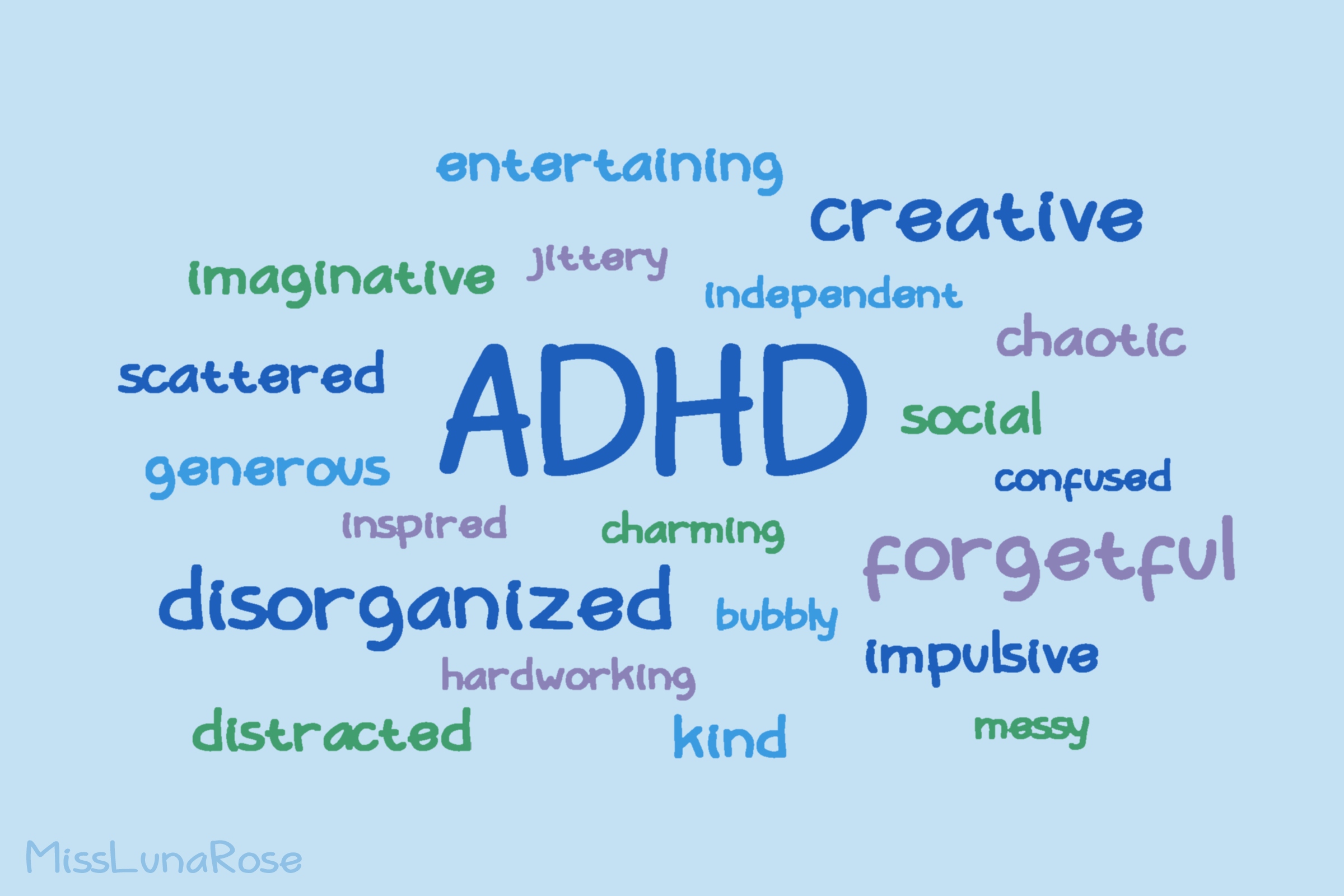
In the previous analysis of Hermetic frameworks, we explored the ‘Amphou’ archetype—the disruptive, high-energy internal force that leaders often mistakenly attempt to excise. However, there is a dangerous corollary to this perspective: the temptation to pathologize high-performers who operate outside the established order. The elite strategist knows that ‘chaotic’ variables are not just risks to be mitigated; they are the primary engines of innovation, provided they are correctly tempered.
The Myth of the ‘Aligned’ Organization
Corporate orthodoxy demands alignment. We build performance reviews, mission statements, and OKR frameworks designed to turn every employee into a predictable cog in the machine. But here is the contrarian truth: Total alignment is the precursor to total stagnation. If every element in your system moves in perfect, predictable accordance with your stated mission, you have successfully engineered an organization incapable of evolution. You have replaced entropy with inertia.
The Archetypal Role of the ‘Opposing Force’
In classical occult thought, the adversary (or the ‘shadow’) is not an entity to be destroyed, but a teacher to be engaged. In a business context, your most ‘difficult’ employees—those who constantly challenge your strategy, circumvent your processes, and question your mandates—are the ones stress-testing your system. If your strategy cannot withstand the scrutiny of a sharp-minded skeptic, it is not a robust strategy; it is a delicate set of assumptions.
The Strategy of Controlled Friction
Rather than seeking to neutralize these high-voltage individuals, the modern master of influence employs a strategy of Controlled Friction:
The Adversarial Audit: Instead of silencing dissent, designate your most disruptive ‘Amphou-like’ team members as ‘internal red teams.’ Give them a mandate to find the holes in your project plan. By formalizing their rebellion, you transform a rogue variable into a diagnostic tool.
The Alchemy of Autonomy: These individuals are usually not motivated by KPIs; they are motivated by agency. To bind them to your cause, you must grant them a ‘Sovereign Domain’—a project or initiative where they have total creative control, provided they meet a single, high-stakes boundary condition.
Reframing the Shadow: The danger to your company is rarely the individual who disagrees with you; the danger is the sycophant who hides the truth because they fear the social cost of disruption. Your most ‘dangerous’ hire is actually your most honest asset.
The Failure of Managerial Suppression
When you attempt to force high-energy actors into a box, they do not become aligned—they become subterranean. This is how organizations develop ‘shadow cultures’ that operate behind the backs of leadership. By ignoring the need for dissent, you inadvertently create a feedback loop where critical information is sanitized before it reaches the C-suite. You lose the ability to see the system as it truly is, opting instead for a hallucination of order.
Conclusion: Leading the Unruly
The true mark of high-level leadership is not the ability to command obedience, but the capacity to direct chaotic potential toward a singular objective. Do not mistake friction for failure. If your company is running perfectly smooth, you are already dying. Your job is not to build a machine of obedient parts, but to curate an ecosystem of conflicting, high-energy forces that, through your design, inevitably push the entire enterprise toward growth.
In global markets, information is abundant but discipline is rare. Master your trading psychology to turn cognitive control into a competitive advantage.
Archetypal intelligence can bridge the gap between vision and execution. Uncover the hidden blind spots that sabotage your most critical strategic initiatives.
Modern leadership often overvalues empathy at the expense of strategy. Explore why emotional intelligence can become a strategic liability in high-stakes environments.
Stop viewing yourself as an outsider to your organization. Learn how to master the unseen influencers and hidden hierarchies within your own business system.
The Androphage archetype is powerful for expansion but limited. Learn how sovereign leaders use synthetic empathy to leverage talent and maintain hierarchy.