The Strategic Resurgence of Local Manufacturing Hubs
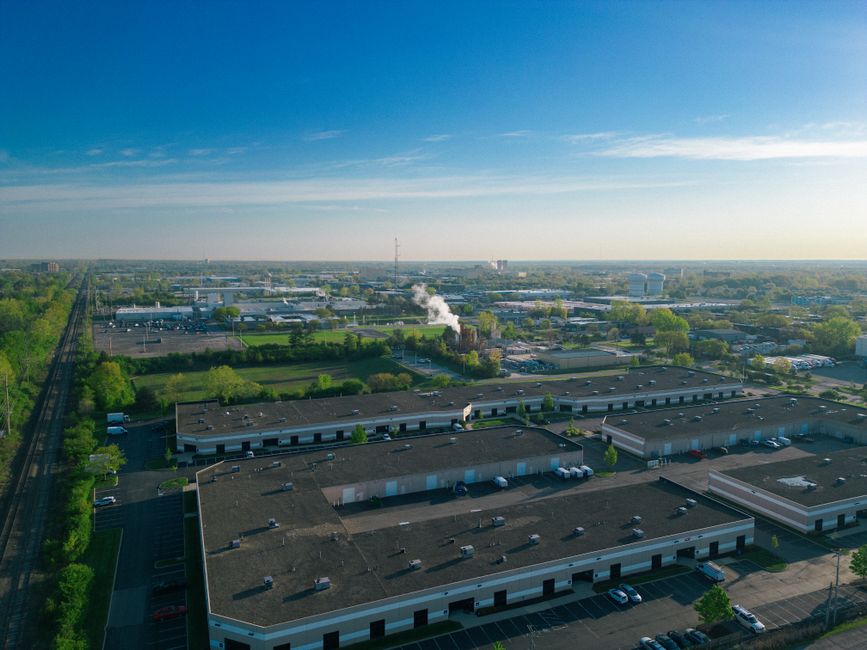
The era of hyper-globalized, fragile supply chains is hitting a wall. For decades, the dominant corporate strategy prioritized the absolute lowest unit cost, often ignoring the hidden taxes of logistics, lead-time volatility, and intellectual property risk. Today, the smartest organizations are shifting toward local manufacturing hubs. This isn’t a sentimental return to domestic production; it is a cold, calculated move to regain control over operational excellence and ensure business continuity.
When you centralize production near your consumer base, you aren’t just shortening distances. You are fundamentally changing the physics of your business model. You are moving from a reactive posture—waiting for shipping containers to clear customs—to an active, decision-making framework where speed to market becomes a genuine competitive moat.
Operational Agility Through Proximity
The primary friction point in global manufacturing is the “feedback loop lag.” When a production facility is ten thousand miles away, the time between discovering a quality defect or a design flaw and correcting it is measured in weeks or months. By clustering manufacturing in local hubs, companies compress this loop. This allows for rapid prototyping, tighter quality control, and the ability to pivot production based on real-time market data.
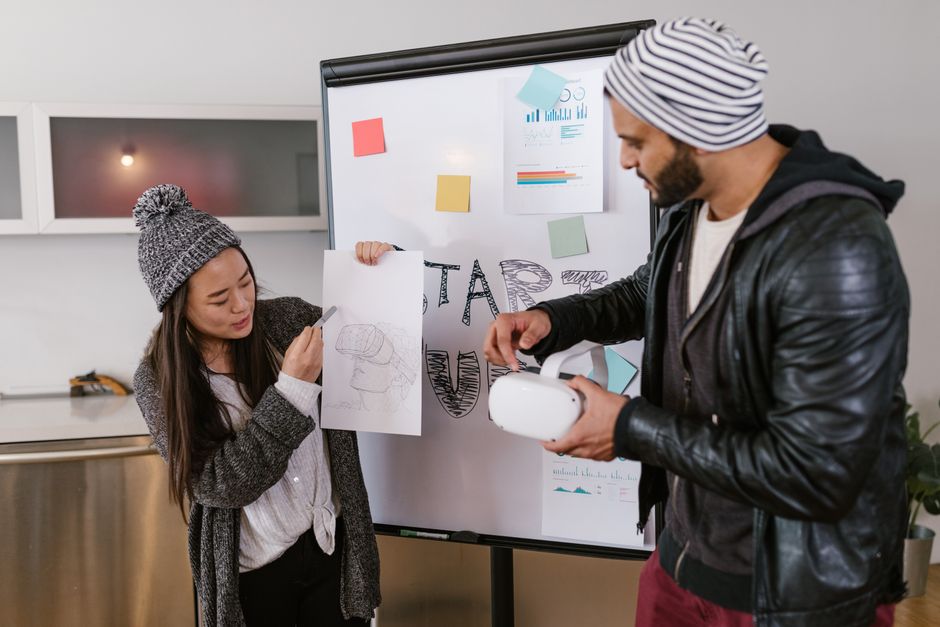
High-performance teams recognize that distance is a cost. By adopting a regionalized model, you increase the frequency of interaction between engineering, design, and production. This integration is the bedrock of operational excellence. When the people designing the product sit within driving distance of the people building it, the friction of execution vanishes.
The Economics of Resilience
Critics often point to the higher labor costs in developed economies as a dealbreaker for local manufacturing. This is a narrow view of accounting. To understand the true cost, one must account for the “total cost of ownership” (TCO). When you factor in carbon taxes, geopolitical instability, rising freight costs, and the massive capital tied up in inventory sitting on ocean vessels, the cost gap between offshore and local production narrows significantly.
Furthermore, local hubs allow for the application of AI-driven automation that is often difficult to implement in low-wage, high-turnover environments. By deploying robotics and smart manufacturing systems in a local, stable facility, leadership can achieve a level of precision and consistency that offshore manual labor simply cannot match.
Strategic Execution and Decentralization
Transitioning to a local manufacturing hub model requires a significant shift in strategy. It demands that leadership move away from the “command and control” style of massive, centralized factories and toward a decentralized network of specialized nodes. This structure allows for greater redundancy; if one hub faces a disruption, others can absorb the workload.
This is not merely about building factories; it is about building a scalable architecture for production. Leaders who prioritize this shift are positioning their companies to handle the volatility of the coming decade. They are trading the fragility of the “just-in-time” global model for the robustness of the “just-in-case” local model.
Building the Capability
Audit the Supply Chain: Identify which components are most sensitive to shipping delays and prioritize those for local sourcing.
Invest in Automation: Focus capital on high-output, low-headcount systems that make local manufacturing economically viable against low-cost labor markets.
Integrate Teams: Break down silos between your product development and manufacturing teams to ensure that local production benefits from immediate, high-fidelity communication.
The transition to local manufacturing is an exercise in long-term leadership. It requires the discipline to ignore short-term margin pressure for the sake of long-term structural advantage. Those who make this shift now will own the future of their market, while others remain tethered to an increasingly unstable global status quo.