

Outline
- Introduction: The hidden cost of fragmented data in regulated industries (healthcare, finance, manufacturing).
- Key Concepts: Defining structured documentation and the regulatory “blind spot.”
- Step-by-Step Guide: Moving from siloed records to a standardized, interoperable framework.
- Case Studies: How standardizing eCTD (electronic Common Technical Document) changed pharmaceutical approvals and the impact of XBRL in financial reporting.
- Common Mistakes: Over-standardizing, ignoring legacy systems, and failing to involve stakeholders.
- Advanced Tips: Leveraging semantic interoperability and machine-readable compliance.
- Conclusion: The transition toward proactive, data-driven regulatory oversight.
Standardizing Documentation: The Foundation for Effective Regulatory Oversight
Introduction
In high-stakes industries—from pharmaceutical development to financial services and aviation safety—documentation is the lifeblood of accountability. Yet, for decades, organizations have operated within “data silos,” where proprietary formats and inconsistent record-keeping have created a massive barrier for regulatory bodies. When a regulator has to manually reconcile disparate data structures before they can even begin their analysis, the process is not only inefficient; it is inherently risky.
Standardizing documentation formats across an entire industry is not merely an administrative exercise in tidiness. It is a fundamental requirement for modern regulatory oversight. By establishing a “common language” for data, industries can transform the regulatory relationship from a reactive, audit-based burden into a proactive, transparent partnership. This shift reduces time-to-market, improves safety signals, and ensures that compliance is a byproduct of operational excellence rather than an afterthought.
Key Concepts
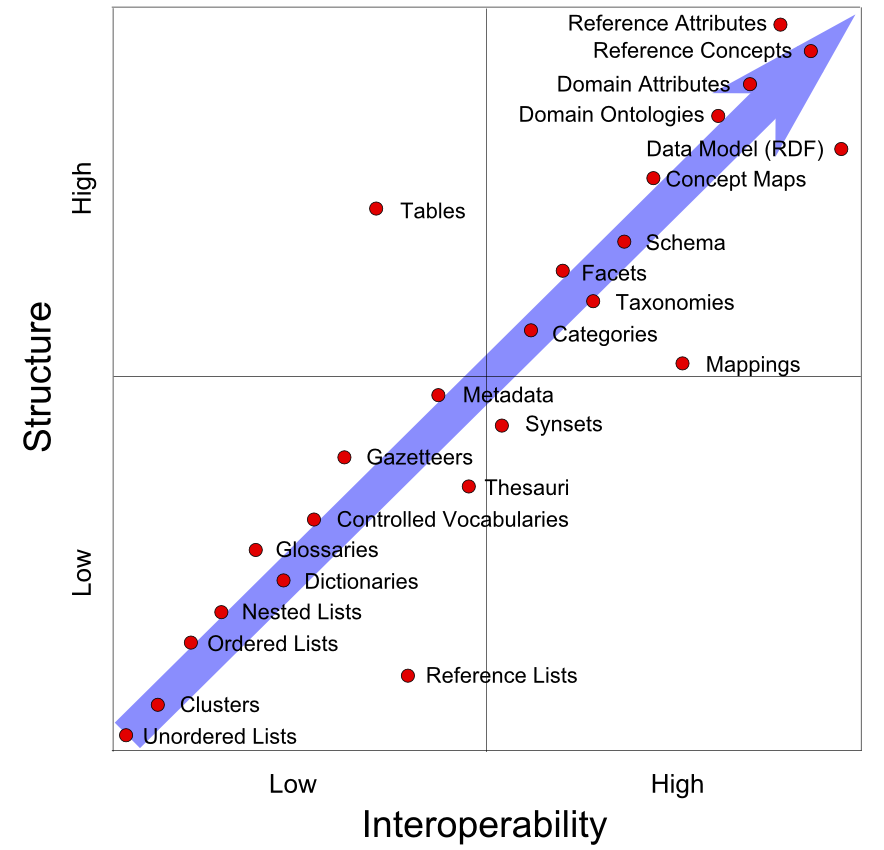
At the heart of this discussion is the concept of interoperability. Interoperability in documentation means that data can be shared, exchanged, and—crucially—read by both human auditors and automated systems without losing its semantic meaning. Currently, many sectors rely on “unstructured” or “semi-structured” data, such as PDFs or fragmented spreadsheets, which are notoriously difficult to aggregate.
Structured Documentation, conversely, uses standardized schemas (such as XML or JSON) that define how specific pieces of information must be labeled and organized. When every company in an industry submits data in the same format, regulators can employ Data Analytics and Artificial Intelligence (AI) to scan for patterns across the entire sector. Instead of checking one company at a time, oversight bodies can monitor systemic risks, identify outliers, and respond to potential safety crises in real-time.
Regulatory oversight is often hampered by “noise.” When data is inconsistent, regulators cannot distinguish between a genuine safety concern and a formatting error. Standardization acts as a filter, removing the noise so that oversight focus remains where it belongs: on actual performance, safety, and compliance outcomes.
Step-by-Step Guide to Implementing Standardized Documentation
Achieving industry-wide standardization is a multi-year project, but it begins at the organizational level. Follow these steps to transition toward a standardized framework:
- Audit Current Data Streams: Identify all critical documents required by regulators. Map out their current formats, how they are generated, and where the data inconsistencies arise.
- Adopt Global Standards: Avoid “reinventing the wheel.” Adopt established international standards wherever possible (e.g., HL7 FHIR in healthcare, XBRL for business reporting). These standards are already vetted and supported by global regulatory bodies.
- Implement Metadata Tagging: Even if full standardization isn’t immediate, ensure that all documents contain rich, consistent metadata. This allows for automated indexing and faster retrieval during audits.
- Shift to Machine-Readable Formats: Transition away from static formats like PDFs. Move toward formats that allow for data extraction, such as structured XML or database-connected exports.
- Integrate Continuous Compliance: Build documentation standards directly into your software development life cycle (SDLC) or manufacturing execution systems (MES). When the system that creates the product also creates the report, data integrity is baked in at the source.
Examples and Case Studies
The most compelling proof of this concept comes from the pharmaceutical and financial sectors.
The electronic Common Technical Document (eCTD) is the international standard for submitting applications to regulatory agencies like the FDA and EMA. Before eCTD, pharma companies submitted thousands of pages of paper. This standardization allows regulators to click through complex studies, cross-reference safety data, and compare clinical trials across different manufacturers instantly.
Similarly, the financial sector adopted XBRL (eXtensible Business Reporting Language). By requiring public companies to tag financial data with specific markers (e.g., “Revenue,” “Operating Expenses”), the SEC and other global regulators can run automated algorithms to detect accounting irregularities. What used to take forensic accountants months to spot now triggers an automated flag within minutes of a filing.
In both cases, standardization did not remove the regulator’s need for expertise; rather, it freed them from the “janitorial work” of data cleaning, allowing them to focus on substantive analysis and risk mitigation.
Common Mistakes
Transitioning to standardized formats is fraught with pitfalls if executed poorly. Avoid these common errors:
- Ignoring Legacy Interoperability: Many firms focus only on new data, leaving historical records in proprietary, inaccessible formats. A truly standardized environment must include a clear strategy for migrating or mapping legacy data.
- Over-Standardizing: While consistency is the goal, forcing complex, nuanced processes into overly rigid templates can lead to “tick-the-box” compliance, where companies focus on formatting correctly rather than recording the truth accurately.
- Underestimating Cultural Shift: Documentation standards are not just technical; they change how teams work. If engineers or analysts feel like the new requirements are an unnecessary burden, they will find ways to circumvent them.
- Neglecting Stakeholder Collaboration: Standardization fails when it is imposed in a vacuum. Industry-wide standards require heavy input from the entities that will actually have to implement them, ensuring the schema is practical for real-world scenarios.
Advanced Tips
To move beyond basic compliance and achieve a competitive advantage, consider these advanced approaches:
Leverage Semantic Interoperability: Beyond just having the same format, ensure that the meaning of data elements is shared. Use “controlled vocabularies” or ontologies. If two companies report “Adverse Events,” they must both be using the exact same clinical definition for that event to ensure the regulator receives a “true” comparison.
Develop Automated “Compliance-as-Code”: As you refine your documentation, build automated validation checks into your pipeline. These tools verify that a document meets all regulatory formatting requirements before it is ever submitted. This eliminates the back-and-forth between companies and regulators regarding file errors, saving millions in administrative costs.
Foster Proactive Feedback Loops: Use the standardized data to create “Data Dashboards” that the company and the regulator can view simultaneously. When both sides are looking at the same real-time truth, the frequency of disruptive, manual audits naturally declines.
Conclusion
Standardizing documentation is the silent engine of modern regulatory efficiency. By moving away from fragmented, proprietary record-keeping toward structured, interoperable data, industries can foster a relationship with regulators based on transparency and objective analysis. The goal is not to create more paperwork, but to make the paperwork that already exists work harder for the benefit of safety, stability, and speed.
For organizations, this requires an upfront investment in infrastructure and a shift in culture. Yet, the long-term rewards are undeniable: reduced administrative friction, fewer audit findings, and a clearer pathway to market. In an increasingly complex global economy, standardized documentation is no longer an option—it is the prerequisite for building trust.




Leave a Reply