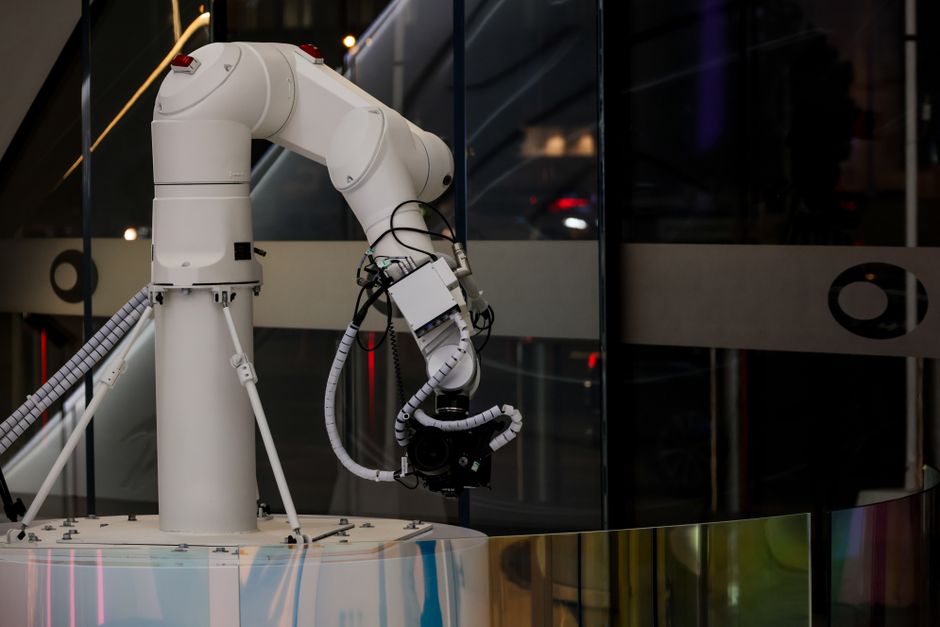
The construction industry has long been defined by a fundamental constraint: the physical limits of human labor. For decades, projects have lived or died by the availability of skilled tradespeople, the inevitability of human fatigue, and the high variance of manual output. Robotic construction crews are not merely a technological novelty; they represent a total architectural shift in how we approach operational excellence in the built environment.
When you transition from a workforce that needs sleep, training, and physical recovery to an automated fleet, the unit economics of development change overnight. This is the transition from labor-intensive project management to a systems-based engineering approach. The leaders who recognize this shift first will capture the margin that their competitors lose to inefficiency and schedule drift.
The Precision of Automated Execution
Human error is the silent tax on every construction budget. Misaligned framing, inconsistent concrete pours, and rework due to measurement inaccuracies are accepted as “costs of doing business.” Robotic crews operate on digital twins—precise, data-driven schematics that leave no room for guesswork. By enforcing high-performance thinking at the machine level, firms can guarantee output consistency that is impossible to achieve through manual labor alone.
Scalability Through Modular Systems
Robotic crews thrive in modular environments. When you combine 3D printing, autonomous bricklaying, and robotic site assembly, you decouple construction speed from the size of your human hiring pool. This is the ultimate form of leverage. Instead of managing hundreds of individuals, leadership shifts toward managing the software stack and the maintenance cycles of the fleet. The goal is no longer to manage people on a job site; it is to optimize the workflow of the machines.
Operational Strategy in an Automated Era
Introducing robotic crews requires a radical rethinking of the project lifecycle. In a traditional model, the plan is a suggestion; in an automated model, the plan is the law. Any deviation in the digital model translates directly to a halt in production. This forces teams to prioritize upfront strategy and design validation over the “fix it in the field” mentality that plagues traditional construction.
Data-First Planning: Every millimeter must be accounted for in the digital twin before the first machine touches the ground.
Predictive Maintenance: Downtime for a robotic crew is an unrecoverable loss. High-performing leaders implement sensor-based monitoring to predict failures before they disrupt the critical path.
Capital Allocation: The move toward robotics shifts costs from variable labor expenses to fixed capital expenditures, requiring a more sophisticated approach to long-term financial modeling.
The New Definition of Leadership
As construction becomes increasingly automated, the role of the site manager changes. The “foreman” who manages interpersonal dynamics and physical coordination is replaced by the “systems architect” who monitors throughput, manages software updates, and ensures the site ecosystem remains balanced. This is a move toward a leaner, more technical form of leadership.
Those who cling to traditional, labor-heavy methodologies will find themselves priced out by firms that have successfully integrated autonomous crews. The robotic revolution in construction is not about replacing the human; it is about elevating the objective. By delegating the physical execution to machines, organizations can focus their best minds on complex problem-solving, architectural innovation, and the strategic expansion of their portfolios.