Space-Based Solar Power: The Future of Orbital Energy Grid
— by
Steven Haynes
Contents
1. Introduction: The paradigm shift from terrestrial to orbital energy harvesting.
2. Key Concepts: Understanding the physics of microwave power transmission and the orbital dynamics of geostationary solar collectors.
3. Step-by-Step Guide: How these systems function from photon absorption to grid integration.
4. Real-World Applications: Bridging energy poverty and powering remote infrastructure.
5. Common Mistakes: Addressing technical misconceptions and logistical fallacies.
6. Advanced Tips: Optimizing rectenna efficiency and orbital maintenance.
7. Conclusion: The timeline for global energy independence via space-based solar power (SBSP).
***
The Dawn of Orbital Energy: How Space-Based Solar Power Will Revolutionize Our Grid
Introduction
For decades, solar energy has been tethered to the constraints of the Earth’s surface. We contend with the intermittency of the day-night cycle, the filtering effects of the atmosphere, and the limitations of seasonal weather patterns. However, we are now entering a transformative era where the limitations of terrestrial solar power are being bypassed entirely. Space-based solar power (SBSP) is no longer a concept confined to science fiction; it is an emerging industrial reality poised to provide 24/7, base-load renewable energy to the terrestrial grid.
By positioning massive solar arrays in geostationary orbit, we can harvest sunlight with near-perfect consistency. This article explores the mechanics of this technology, the path to implementation, and why this transition represents the most significant shift in energy production since the advent of nuclear fission.
Key Concepts
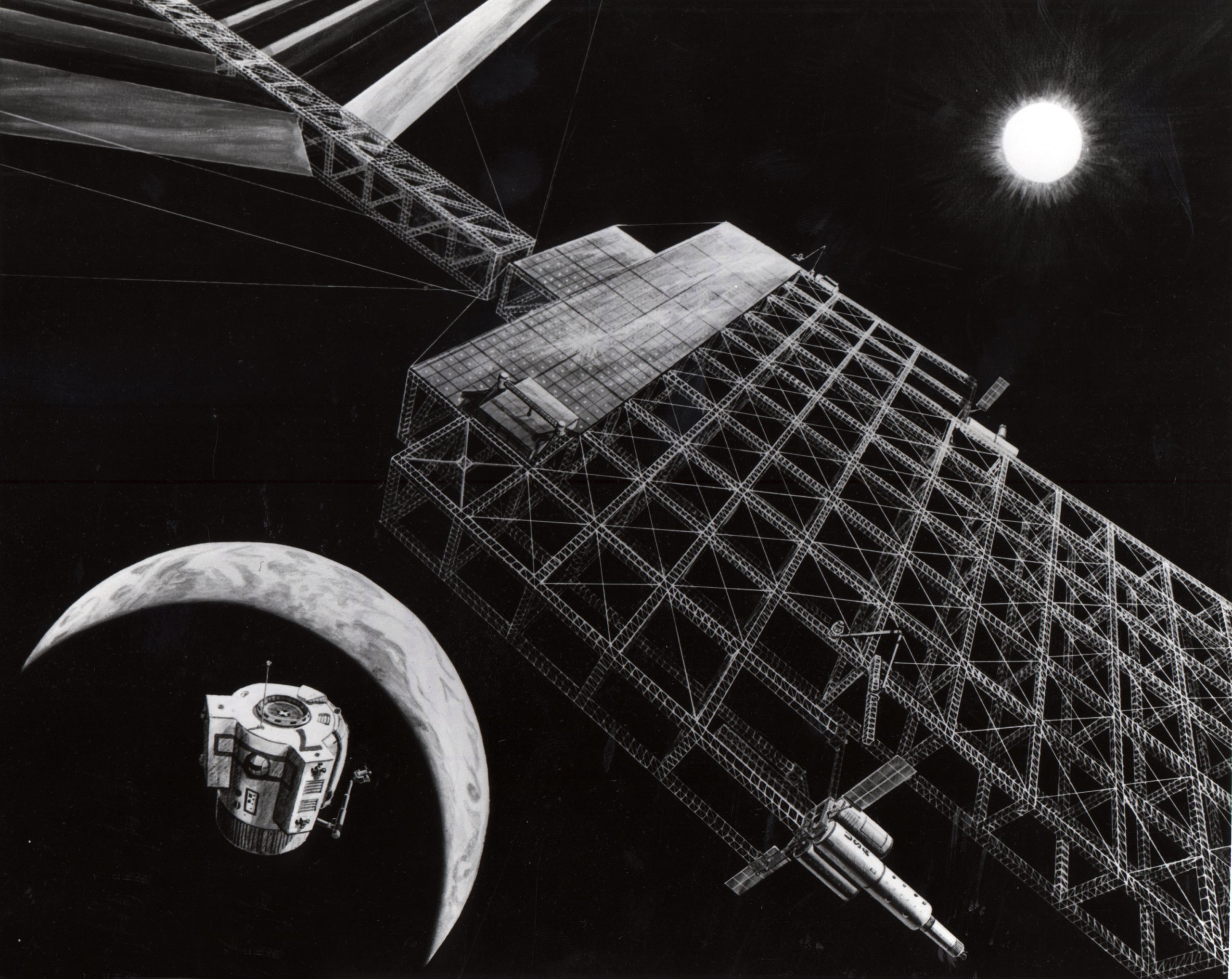
The core premise of SBSP is simple: in space, the sun never sets, and the intensity of solar radiation is significantly higher than on the ground. To capture this, we deploy large-scale photovoltaic (PV) collectors into high-Earth orbits.
Microwave Power Transmission (MPT): The critical technological hurdle is moving this energy from orbit to Earth. Unlike wired connections, which are physically impossible at these distances, SBSP utilizes wireless power transmission. The energy captured by the solar array is converted into high-frequency microwaves or laser beams. These beams are focused on a ground-based “rectenna”—a rectifying antenna—that converts the electromagnetic energy back into direct current (DC) electricity for the local grid.
Geostationary Positioning: To ensure a continuous, stable beam to a specific receiving station, solar arrays are placed in geostationary orbit (GEO). This allows the array to remain fixed relative to a point on the Earth’s surface, ensuring the transmission beam never loses its target.
Step-by-Step Guide: From Orbit to Grid
Implementing an SBSP system requires a complex, multi-stage engineering process. Here is how the energy lifecycle functions:
Photon Harvesting: Lightweight, modular solar panels are unfolded in orbit. Because there is no atmosphere to scatter light, these panels operate at peak efficiency 365 days a year.
Energy Conversion: Onboard electronics convert the captured DC solar power into a high-density coherent microwave beam. This process requires precise phase control to maintain a narrow, safe beam width.
Beam Steering: Using phased-array technology, the satellite steers the microwave beam toward a designated terrestrial rectenna. This is a “closed-loop” system where the rectenna sends a pilot signal to the satellite, ensuring the beam stays locked on target.
Rectification: The ground-based rectenna, which resembles a vast grid of small dipole antennas, captures the microwave energy and converts it back into electricity.
Grid Integration: The rectified energy is conditioned through power electronics to match the frequency and voltage of the regional power grid, effectively functioning like a conventional power plant but fed by the sky.
Examples and Real-World Applications
The implications for terrestrial energy grids are profound. Unlike terrestrial solar, which requires massive battery storage to handle nighttime loads, SBSP provides constant power.
Remote Infrastructure: Many remote industrial sites, mining operations, or disaster-relief zones rely on expensive, carbon-intensive diesel generators. An SBSP rectenna can be deployed in these remote areas, providing an immediate, high-capacity power source without the need for fuel logistics.
Decarbonizing Heavy Industry: Energy-intensive processes like green hydrogen production or desalination require constant, high-wattage input. SBSP provides the base-load power necessary to run these facilities 24/7, making them economically viable without relying on intermittent terrestrial renewables.
Grid Resilience: By diversifying the energy portfolio with orbital power, nations can reduce their reliance on localized grids that are susceptible to extreme weather events or physical grid failure. If a storm knocks out a local wind farm, the orbital beam continues to deliver power unaffected.
Common Mistakes
Even as the technology matures, there are persistent misconceptions regarding the safety and feasibility of SBSP.
The “Death Ray” Fallacy: Critics often fear that orbital beams could be weaponized or accidentally harm wildlife. In reality, the intensity of the microwave beam is designed to be low-density—often less intense than direct sunlight—ensuring that even if the beam drifts, it poses no health hazard.
Ignoring Launch Costs: Early skepticism focused on the cost of launching massive arrays. However, the rise of reusable launch vehicles (like SpaceX’s Starship) has reduced the cost per kilogram to orbit by orders of magnitude, making large-scale modular assembly in space economically feasible for the first time.
Underestimating Power Density: Some assume that wireless transmission is inefficient. While there is a conversion loss, the 24/7 availability of orbital solar significantly outweighs the losses, especially when compared to the massive efficiency drops experienced by terrestrial solar during cloudy days or nighttime.
Advanced Tips
For stakeholders and engineers looking to optimize SBSP deployment, focus on the following technical levers:
Modular Swarming: Rather than launching one monolithic, multi-ton satellite, focus on “swarm” technology. By launching thousands of smaller, mass-produced satellites that link together in orbit, you reduce the risk of mission failure and increase the ease of maintenance and upgrades.
Phased-Array Precision: The efficiency of the transmission is entirely dependent on the phase accuracy of the microwave beam. Investing in advanced AI-driven phase control systems will allow for tighter beam focusing over longer distances, reducing the footprint required for the ground-based rectenna.
In-Orbit Manufacturing: The future of SBSP is not launching finished arrays, but launching raw materials to be 3D-printed in microgravity. This will allow for the construction of solar collectors that are miles wide, capturing gigawatts of power that would be impossible to launch from the Earth’s surface due to structural weight limits.
Conclusion
Space-based solar power represents the final frontier of the renewable energy transition. By moving our harvesting infrastructure off-planet, we gain access to an inexhaustible, constant supply of clean energy that is immune to the limitations of the terrestrial environment.
As launch costs continue to plummet and microwave transmission technology reaches maturity, the integration of orbital energy into our terrestrial grids will become a cornerstone of global energy security. The transition will not happen overnight, but the roadmap is clear: 24/7, base-load renewable power is no longer a distant dream—it is an engineering challenge that we are finally ready to solve.




Leave a Reply