For decades, forestry has been an industry governed by the “gut feel” of the veteran operator. Success was measured by the ability to read terrain, anticipate timber yields, and manage heavy machinery through sheer experience. That era is over. The transition to forestry automation is not merely a shift in hardware; it is a fundamental redesign of how capital-intensive assets are managed and how high-stakes decisions are executed.
When you replace human sensory limitations with sensor-fused AI, you move from a reactive operational model to one defined by predictive precision. This is the difference between surviving a logging season and optimizing an entire supply chain. Leaders who fail to integrate automated systems are not just choosing tradition; they are choosing a permanent competitive disadvantage.
The Mechanics of Operational Excellence
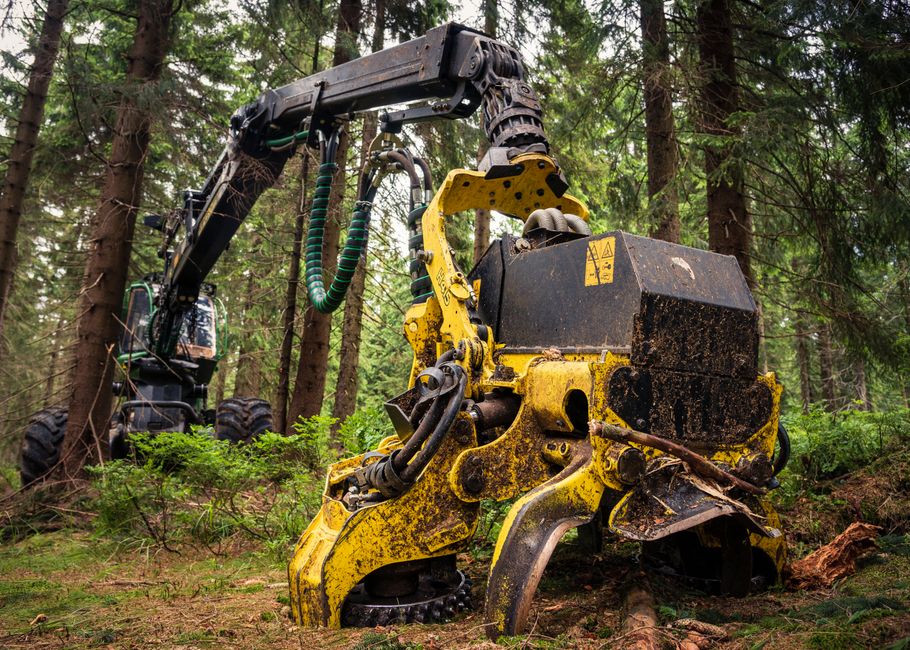
Automation in the woods is often misconstrued as a replacement for labor. In reality, it is a tool for operational excellence. Modern harvesters equipped with LiDAR, real-time stem analysis, and autonomous path-planning software remove the variance inherent in manual operation.
Consider the decision-making process of a harvester head. A human operator processes hundreds of variables per minute—tree diameter, species, quality, and terrain stability. Fatigue and environmental stressors inevitably lead to suboptimal cuts. An automated system, however, operates at a consistent threshold of peak performance. By standardizing the quality of output, you stabilize your downstream logistics, reducing the friction that typically plagues forestry-to-mill workflows.
Data as a Strategic Asset
The true power of forestry automation lies in the data exhaust. Every cut, every movement, and every fuel-burn metric creates a digital twin of the forest floor. When this data is fed into high-performance thinking models, the business shifts from harvesting timber to harvesting intelligence. You no longer guess your yield; you account for it before the first tree falls. This level of visibility turns operational planning into a strategic advantage, allowing for precise capital allocation that competitors relying on analog reporting simply cannot match.
The Leadership Challenge of Technological Integration
Implementing automation requires more than a procurement order. It requires a fundamental shift in leadership philosophy. When an organization adopts highly automated systems, the role of the frontline worker evolves from “manual operator” to “system supervisor.”
This creates a friction point in corporate culture. Experienced operators may view automation as a threat to their expertise. The leader’s job is to reframe this transition: the system provides the “how,” but the human provides the “why.” By offloading the taxing physical and cognitive load of machine operation to AI, you free your best people to focus on complex problem-solving—such as mitigating site-specific environmental risks or optimizing log-bucking strategies for shifting market demands. Successful strategy in this sector is about creating a symbiotic relationship between machine precision and human judgment.
Execution at Scale
The barrier to entry for full-scale forestry automation is high, which creates an immediate moat for those who execute effectively. Integrating autonomous fleets requires a robust infrastructure of connectivity, real-time diagnostics, and predictive maintenance. While many firms struggle with the technical debt of legacy equipment, those who prioritize modular automation can scale their operations without the linear increase in overhead typically required to grow a logging business.
If your current operational model is tethered to the physical presence of skilled labor in every cab, your ceiling for growth is capped by the labor market. Automation breaks this ceiling. By decoupling output from individual human capacity, you gain the ability to scale your operations based on market opportunity rather than headcount constraints.