
Preserving the Sacred: The Role of Interdisciplinary Teams in Digital Heritage
Introduction
The digital preservation of historical sites is no longer a task confined to architects and IT specialists. When a site possesses both complex historical stratification—where layers of human occupation span millennia—and profound spiritual significance, the stakes of preservation shift from mere documentation to the safeguarding of cultural identity. A digital replica of a cathedral, a mosque, or an ancient megalith is not just a collection of geometric points; it is a repository of intangible heritage, community memory, and theological nuance.
When these layers intersect, traditional siloed approaches fail. An architectural scan captures the stone, but it often misses the acoustic qualities of a ritual space or the cultural protocols governing who can view specific chambers. To preserve these sites effectively, we must move toward an interdisciplinary model that bridges the gap between technology, archaeology, theology, and community engagement. This article explores how diverse teams can ensure that digital archives remain authentic, respectful, and technologically resilient.
Key Concepts
Digital Stewardship: Moving beyond simple “digitization,” stewardship implies a long-term commitment to the maintenance, accessibility, and ethical management of digital assets. It acknowledges that digital files are living records that require active migration and curation.
Layered Historiography: Sites with “layered” meanings often contain physical evidence from different eras—for example, a Roman temple converted into a church, then a mosque, then a museum. Digital preservation must account for these temporal strata, allowing viewers to peel back layers to understand the site’s evolution rather than flattening it into a single snapshot.
Intangible Heritage Integration: This refers to the non-physical elements of a site, such as oral histories, ritual timings, chants, or local customs. If a digital model of a site doesn’t account for the “spirit of the place” (the genius loci), it risks becoming a hollow shell.
Interdisciplinary Synthesis: This is the intentional collaboration between technologists (photogrammetrists, data scientists), humanists (historians, theologians, anthropologists), and stakeholders (local community leaders, faith practitioners). Each discipline acts as a filter, ensuring the final digital product is technically precise and culturally sensitive.
Step-by-Step Guide to Interdisciplinary Digital Preservation
- Assemble the Core Consortium: Before picking up a laser scanner, gather the experts. You need spatial data technicians, architectural historians who understand the specific spiritual significance of the site, and representatives from the groups that currently or historically held the site sacred.
- Establish Ethical Protocols: Create a “Code of Digital Conduct.” Determine what parts of the site—if any—are considered sacred or private and should not be digitally replicated for public consumption. Ensure the community has a say in how the data is stored and who holds the access rights.
- Define Metadata Schemas for Complexity: Standard metadata (date, location) is insufficient. Develop a schema that includes “Spiritual Meaning” tags or “Temporal Layer” attributes. This allows the digital database to store information about how a site was used differently across centuries.
- Execute Multi-Modal Capture: Combine high-resolution 3D laser scanning with audio recording, ambient lighting analysis, and oral history collection. The “digital twin” must be sensory, not just visual.
- Co-Curated Interpretive Layers: Work with the interdisciplinary team to “tag” the 3D environment. For example, a user clicking on an altar shouldn’t just get dimensions; they should get an audio clip of a ritual once performed there and a brief history of the architectural transition that created it.
- Implement Long-term Maintenance Plans: Digital formats become obsolete. The team must document the hardware and software dependencies of the current project and create a migration path to ensure the data remains readable in 20 or 50 years.
Examples and Case Studies
The Hagia Sophia, Istanbul: This site serves as a prime example of layered spiritual history. Digital preservation efforts here involve reconciling Byzantine mosaic history with Islamic calligraphy and Ottoman architectural updates. Interdisciplinary teams here use “Time-Slider” digital models, allowing viewers to see the interior transition between different theological eras. This prevents the bias of a single-narrative digital archive.
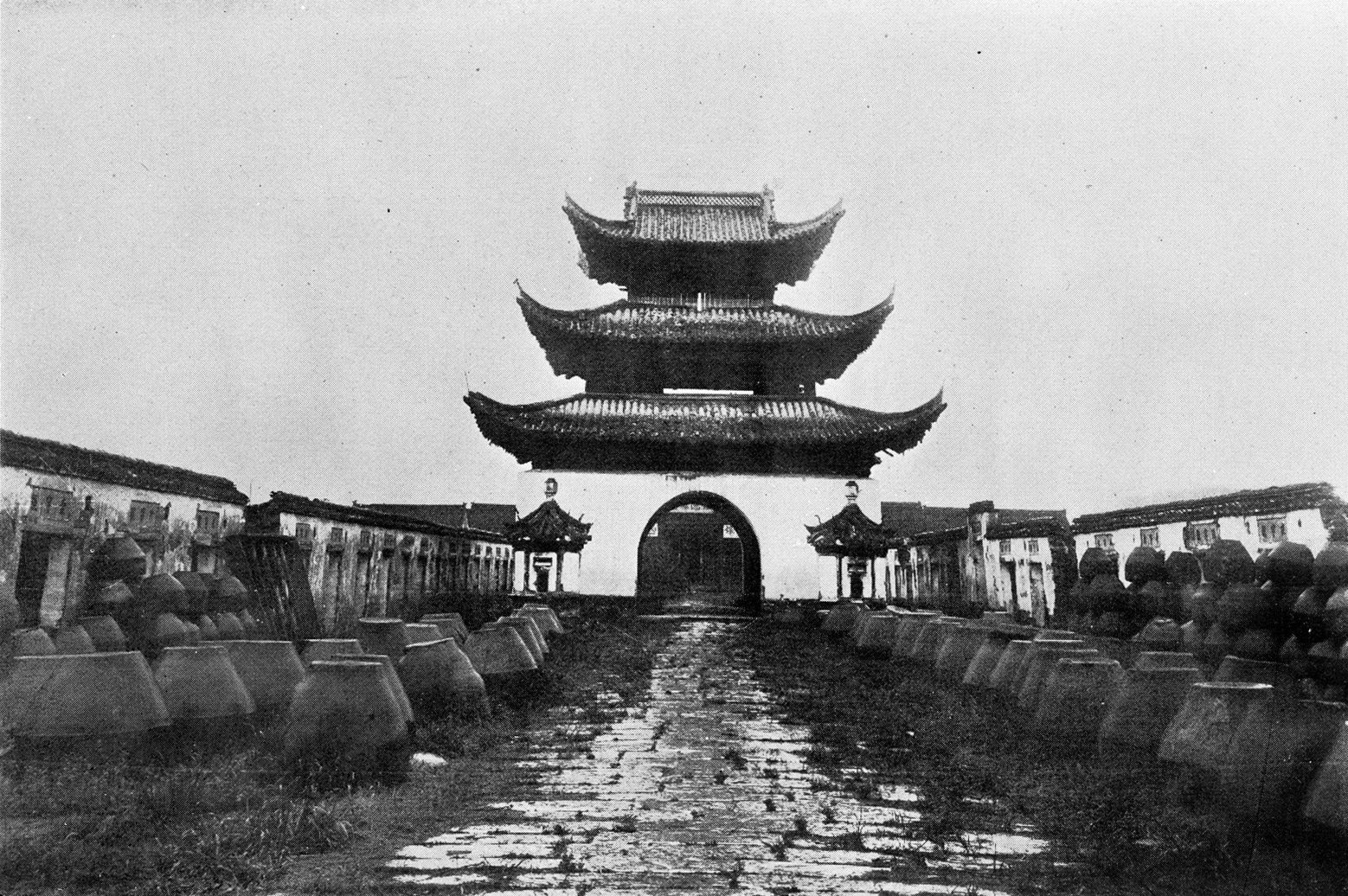
The Dunhuang Caves (Mogao Grottoes): The International Dunhuang Project (IDP) demonstrates the power of interdisciplinary cooperation. By combining chemical analysis of pigments (conservation science), textual analysis of ancient scrolls (philology), and high-fidelity 3D modeling (IT), the team provides a comprehensive view of the Silk Road’s spiritual life. They do not just preserve the rock; they preserve the Buddhist belief system that motivated the art inside.
“Digital preservation is an act of translation. If we translate only the stone, we lose the spirit. If we translate only the spirit, we lose the evidence. We must translate the dialogue between the two.”
Common Mistakes
- The “Techno-Centric” Trap: Prioritizing the accuracy of the 3D model over the historical context. A perfect scan of a desecrated space can be offensive if the spiritual community was not consulted on the “narrative” attached to that scan.
- Neglecting Intangible Metadata: Assuming that a photograph or a scan is self-explanatory. Without metadata regarding the ritual use of a space, a digital replica of an altar is just a collection of geometric shapes.
- Ignoring Data Longevity: Storing high-resolution data on a single external hard drive or a proprietary cloud platform that may be defunct in five years.
- Exclusionary Access: Creating a digital archive that is paywalled or restricted to academics, effectively removing the site from the very communities that consider it a sacred living space.
Advanced Tips for Digital Stewardship
Use Linked Open Data (LOD): Don’t just store your metadata in a local spreadsheet. Connect it to global repositories like the Getty Vocabulary or Wikidata. This allows your specific site data to interact with broader archaeological databases, increasing the discovery potential of your work.
Implement Procedural Modeling: Instead of capturing every single brick, use procedural modeling to recreate eroded or destroyed sections based on historical architectural research. This allows the team to “reconstruct” missing spiritual layers that are no longer physically present but remain historically significant.
Community-Driven Crowdsourcing: Develop a platform where the local community can contribute their own digital photos, family stories, or memories tied to the site. This creates a “living archive” that evolves alongside the static digital twin.
Focus on “Presence” over “Precision”: In spiritual spaces, the goal of a digital experience is often to convey the feeling of the space (the echo, the light, the gravity). Prioritize ambient digital reproduction—such as binaural audio or volumetric video—to give the viewer a sense of being there, rather than just measuring how large the room is.
Conclusion
Digital preservation for sites of layered historical and spiritual importance is as much an exercise in diplomacy as it is in engineering. When we digitize these spaces, we are not just archiving the past; we are curating the future memory of a site for generations who may never be able to visit it in person. By integrating the technical precision of data scientists with the cultural empathy of historians and the lived experiences of faith communities, we can create digital archives that are more than just hollow replicas.
The success of these projects depends on acknowledging that digital technology is a tool, not a solution. The solution lies in the collaboration. As we move forward, let us ensure that our digital heritage is defined not by the resolution of our scanners, but by the depth of our understanding and the respect with which we handle the sacred layers of human history.

Leave a Reply