
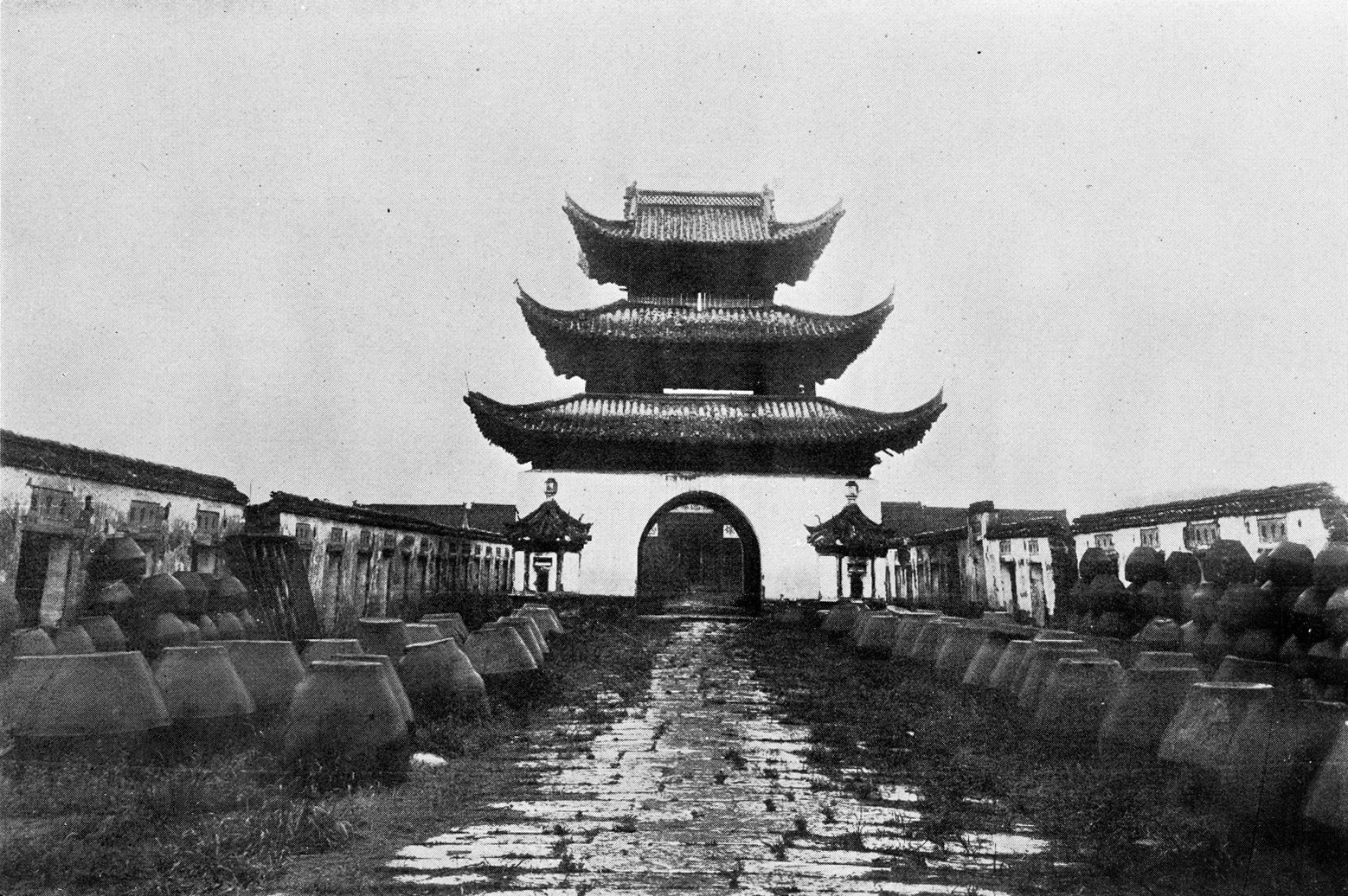
The Architecture of Memory: Interdisciplinary Teams in the Digital Preservation of Sacred Sites
Introduction
When we preserve a site of profound historical and spiritual significance—such as an ancient mountain temple or a colonial-era mission built atop indigenous ceremonial grounds—we are not merely capturing stone and mortar. We are attempting to archive a complex, living narrative that exists in multiple dimensions: the physical structure, the historical timeline, and the intangible spiritual resonance felt by those who visit.
Traditional preservation often fails because it prioritizes the architectural record while ignoring the layers of cultural meaning that define a site’s true value. Digital preservation, when executed through siloed efforts, risks stripping away the “soul” of a location, leaving behind a hollow 3D model. To bridge this gap, we must adopt an interdisciplinary approach that treats technology not as an end, but as a medium for polyphonic storytelling. This article explores how architects, historians, technologists, and community stakeholders can collaborate to create digital archives that honor the depth of sacred spaces.
Key Concepts: The Multilayered Digital Twin
In the context of heritage, a Digital Twin is more than a photogrammetric scan. It is a comprehensive, data-rich ecosystem. For sites with layered histories, we must distinguish between three distinct layers of data:
- Structural Data: The physical state of the site (LiDAR, drone photogrammetry). This captures decay, material composition, and structural integrity.
- Historical Data: Archival documentation, temporal mapping, and archaeological context. This provides the “why” and “when” behind the architecture.
- Intangible Data: The most elusive layer. This includes oral histories, ritualistic use, sensory experiences (ambient sound, lighting at specific times of year), and community-held knowledge.
The interdisciplinary team is the only mechanism capable of synthesizing these disparate data types. Without the anthropologist, the technician produces a silent monument. Without the technician, the historian’s narrative lacks a spatial framework. The goal is to move from “digitization” (converting objects to pixels) to “digital preservation” (maintaining the significance and context of an object over time).
Step-by-Step Guide to Interdisciplinary Preservation
- Stakeholder Mapping: Before a single sensor is activated, identify the “custodians” of the site. This includes local religious leaders, descendant communities, site managers, and government bodies. Consensus on what information is deemed “sacred” and therefore “private” or “public” must be established immediately.
- Defining the Scope of Intangibility: Determine how to represent the spiritual layers. Will you record ambient noise, conduct interviews with elders, or map the movement of the sun during religious festivals? Assign these tasks to cultural anthropologists and sound designers.
- Technical Baseline Integration: Engineers and surveyors capture the physical geometry using LiDAR. Crucially, they must collaborate with archaeologists to ensure the high-resolution mesh is aligned with known historical layers, rather than just the current surface state.
- Metadata Archiving and Interoperability: Metadata is the backbone of the project. Ensure that all digital assets—audio clips of prayers, 3D meshes, and historical texts—are linked using standardized formats (like CIDOC-CRM) so that future technologies can read the data.
- Ethical Review and Access Control: Not all history should be digitized for universal consumption. Establish a digital governance framework. Some information may be restricted to specific groups, while other data is released under open-access protocols.
- Sustainability Planning: Digital files are fragile. Establish a long-term data preservation plan (e.g., redundant cloud storage, open-source file formats, and periodic migration) to ensure the site survives as long as the physical structure.
Real-World Applications: Case Studies
The Dunhuang Caves (China): The Dunhuang Academy has pioneered the use of digital preservation to manage the fragile Buddhist cave art. By integrating the work of art historians (who interpret the iconography) with IT specialists (who manage the multi-petabyte database), they have created a virtual exhibition that protects the site from the erosion caused by human breath and movement, while allowing global access to the site’s profound spiritual significance.
The Hill of Crosses (Lithuania): In preserving sites that are in constant, organic flux, teams have had to utilize “crowdsourced” digital preservation. By encouraging pilgrims to document their own offerings, technologists and historians have built a living digital archive that respects the site as a site of active devotion rather than a static museum piece.
“Digital preservation is not just about keeping the past; it is about providing the tools for future generations to engage with that past in a meaningful way. If the humanity is removed, we have failed.” – Dr. Elena Rossi, Digital Heritage Architect.
Common Mistakes to Avoid
- The “Technological Gaze”: Relying solely on high-end hardware without understanding the context of the site. High-resolution photos are worthless if you do not understand the religious alignment of the windows or the significance of the altars.
- Neglecting Data Sovereignty: Digitizing sacred artifacts or rituals without the explicit consent of the communities they belong to. Always treat digital data as a cultural asset, not just intellectual property.
- Format Obsolescence: Saving data in proprietary formats that will be unreadable in ten years. Use open, non-proprietary standards (like OBJ, PLY, or TIFF) to ensure future-proofing.
- Ignoring the User Experience (UX): Creating a complex digital archive that is inaccessible to the public or the community it represents. Ensure that the interface is intuitive and meaningful to those who have the deepest connection to the site.
Advanced Tips for Success
To truly advance your digital preservation efforts, consider the following strategies:
Use Augmented Reality (AR) for Contextual Layering: Instead of a flat website, use AR to allow visitors on-site to see “ghost layers” of the architecture. An AR application can show the evolution of a cathedral from a wooden chapel to its current gothic stone form, while audio overlays play the hymns associated with each historical period.
Implement Decentralized Storage: Given the volatility of digital media, consider using blockchain-based or distributed file systems (like IPFS) to ensure that the data is not reliant on a single server that could be shut down due to political or economic instability.
Prioritize “Human-in-the-Loop” Machine Learning: Use AI to help catalog thousands of images or documents, but always ensure a human expert verifies the cultural context. AI can sort and process at scale, but it cannot currently understand the nuance of religious significance or historical bias.
Conclusion
Digital preservation of sites with layered spiritual and historical meanings is a profound responsibility. It requires us to move beyond the technical urge to “scan everything” and instead embrace a more thoughtful, curated, and collaborative approach. By integrating the perspectives of historians, anthropologists, community stakeholders, and technologists, we create something that is more than the sum of its parts.
We are creating a mirror of human memory. When we successfully map the intersection of stone and spirit, we protect not just the physical legacy of our ancestors, but the narrative, belief, and emotion that defined their world. Start by building a diverse team, respecting the sovereignty of the data, and focusing on the long-term accessibility of the story, not just the accuracy of the render. This is how we ensure that the sites we hold dear today remain resonant for centuries to come.

Leave a Reply