Ethical data stewardship demands that the community has agency over how their rituals are modeled.
— by
Steven Haynes
Outline
Introduction: Defining data stewardship as a human rights issue, not just a technical one.
Key Concepts: Defining “Ritual Modeling” and the shift from data extraction to data sovereignty.
Step-by-Step Guide: Implementing community-led data governance frameworks.
Examples: Case studies in indigenous data sovereignty and digital ethnography.
Common Mistakes: The perils of performative consultation and algorithmic reductionism.
Advanced Tips: Moving toward participatory machine learning and decentralized storage.
Conclusion: Recapitulating the moral imperative of digital agency.
The Digital Commons: Why Communities Must Own Their Ritual Models
Introduction
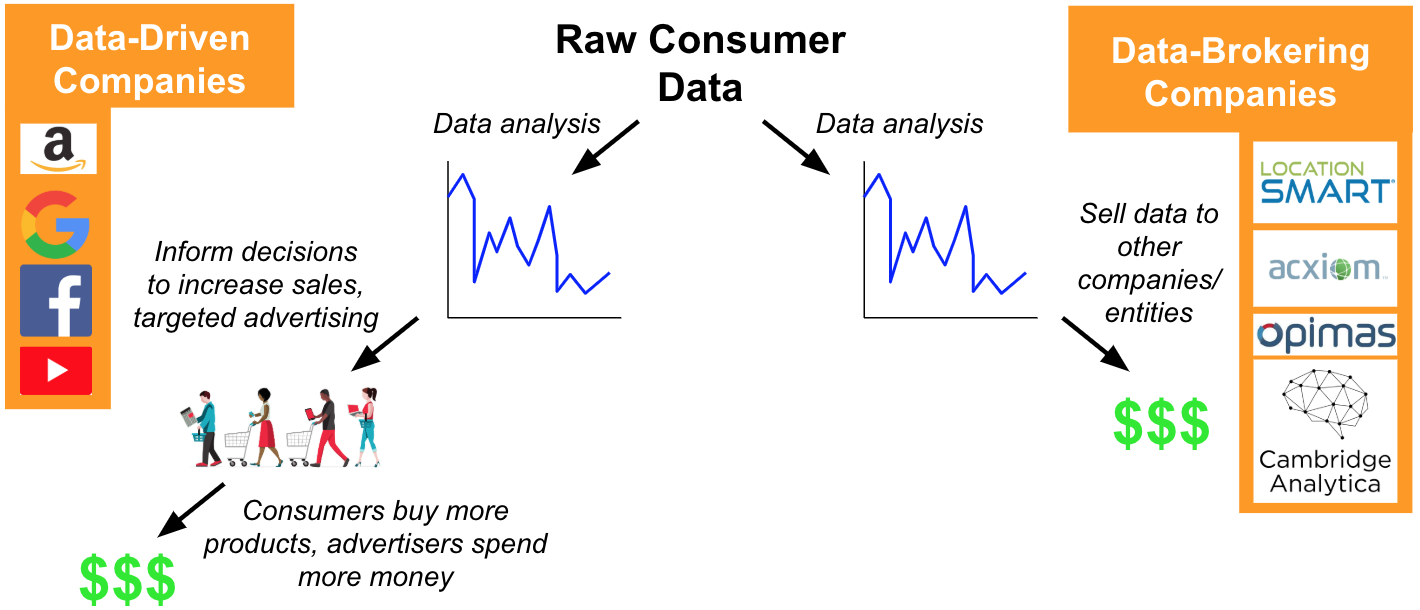
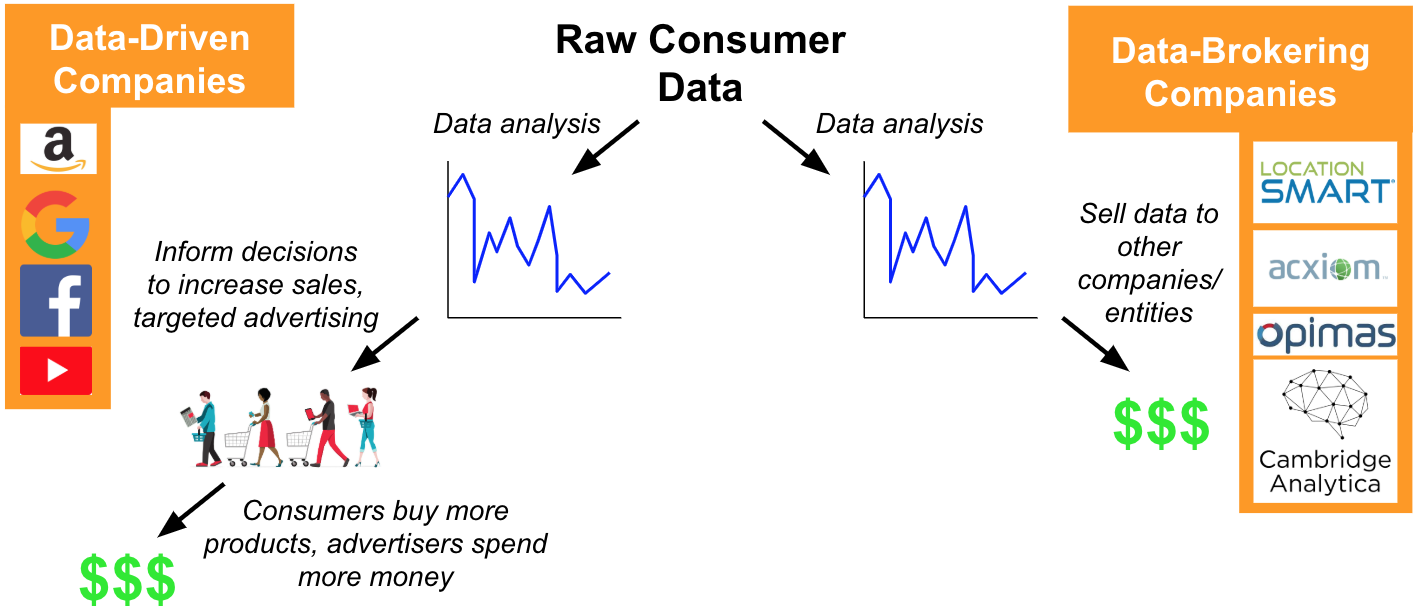
For decades, the digital economy has operated on a logic of extraction. We treat human behavior—especially the nuanced, iterative, and culturally significant patterns we call “rituals”—as raw material to be harvested, labeled, and funneled into predictive models. Whether it is a communal prayer, a localized celebration, or a niche professional networking habit, the data we leave behind is being repurposed by third-party developers to automate and monetize our experiences.
But when we talk about ethical data stewardship, we often overlook the most vital stakeholder: the community itself. To model a ritual is to interpret it, and to interpret it without the input of the participants is to perform an act of digital colonialism. If we are to build a future where technology serves humanity, we must shift from a model of data ownership to one of data stewardship, where the community retains the agency to define, curate, and restrict how their rituals are modeled by AI and machine learning systems.
Key Concepts
Ritual Modeling refers to the computational process of mapping human behaviors that are repetitive, culturally coded, and value-laden. It is not just about logging clicks; it is about capturing the “why” and “how” of collective human interaction. When a machine learns to predict the flow of a community ritual, it often flattens the complexity of that ritual to fit the parameters of an algorithm.
Data Agency is the capacity of a group to determine the terms under which their data is captured, analyzed, and synthesized. It is the antithesis of the “terms and conditions” model, where users unknowingly sign away the rights to their cultural output. Ethical stewardship demands that the community acts as a primary stakeholder in the lifecycle of their digital representations.
Step-by-Step Guide: Building Community-Centric Data Governance
Implementing agency requires moving away from proprietary “black box” modeling toward a transparent, participatory framework.
Identify the Ritual Domain: Before modeling, categorize the behavior. Is this a private communal practice or a public performance? Recognize the power dynamics inherent in the ritual before defining its digital twin.
Establish a Stewardship Committee: Data should not be managed by developers alone. Assemble a group of domain experts, ritual participants, and ethicists to oversee the modeling process.
Define the Intent and Purpose: Clearly state why the ritual is being modeled. Is it for archiving, pattern recognition, or automation? If the goal creates a “digital replacement” that devalues the original, the community should have the power to veto the project.
Implement Participatory Labeling: Stop relying on outsourced “data labelers” who lack cultural context. Ensure that the members of the community are the ones defining the tags and parameters for their own rituals.
Create Feedback Loops: Establish a mechanism where the community can audit the model’s output. If the model misrepresents the meaning of a ritual, the community must be able to flag, override, or decommission the model entirely.
Examples and Real-World Applications
The concept of Indigenous Data Sovereignty serves as the gold standard for this approach. Organizations like the Global Indigenous Data Alliance (GIDA) have developed the CARE Principles (Collective Benefit, Authority to Control, Responsibility, and Ethics) for Indigenous Data Governance. By insisting that Indigenous peoples own their data, these groups prevent the commodification of traditional knowledge and ensure that digital models of their heritage are used to benefit the community, not just extract from it.
In the tech sector, consider the rise of Decentralized Autonomous Organizations (DAOs) that manage digital archives. By utilizing blockchain-based provenance, these communities can ensure that when their rituals are used in research or AI training, the “credits” and “governance” remain with the participants. It transforms the user from a passive data source into a stakeholder with voting rights over how their digital ghost is used.
Common Mistakes
Performative Consultation: Engaging community leaders only after the model is built. This is a common trap where “ethics” becomes a stamp of approval rather than a foundational design choice.
Algorithmic Reductionism: Attempting to simplify rich, multi-dimensional rituals into binary data points. This erases the nuance that makes the ritual meaningful. If the data cannot capture the value, the model is inherently flawed.
Assuming Public Data is Free Data: Just because a ritual is performed in public does not mean the community has consented to it being repurposed for AI training. Treating “public” as “unprotected” is a recipe for long-term mistrust.
Ignoring the “Data Shadow”: Neglecting to consider how a model might influence the future of the ritual itself. If a community changes how they act because an algorithm is watching them, the model has begun to dictate the ritual—not describe it.
Advanced Tips
To deepen your commitment to ethical stewardship, look toward Federated Learning architectures. By keeping data localized on community-owned servers and only sharing the insights (the model updates) rather than the raw data itself, you preserve the privacy and the cultural agency of the participants. This minimizes the risk of mass data leaks and maintains the “physical” integrity of the information.
True agency isn’t just about opting out; it is about having the technical and legal capacity to opt-in on your own terms.
Additionally, embrace Human-in-the-Loop (HITL) Validation. Never deploy a model that interprets social rituals without a manual oversight stage where community members review the “reasoning” of the machine. If the machine cannot explain *why* it made a categorization, the model is not ready for deployment within a sensitive community context.
Conclusion
Ethical data stewardship is not a checklist; it is an ongoing negotiation between communities and the technologies they interact with. When we allow communities to exercise agency over how their rituals are modeled, we do more than just protect privacy—we preserve the dignity of the human experience in an age of automation.
The transition from a passive data culture to an active stewardship culture will be challenging. It requires tech companies to relinquish absolute control and communities to invest the time and energy into mastering their digital governance. However, the result—a landscape of technology that is deeply rooted in human meaning rather than detached observation—is well worth the effort. We must move forward with the recognition that our digital models are not just abstractions; they are, in many ways, the digital heirs to our culture.




Leave a Reply