Building a Resilient AI Incident Response Plan: A Framework for System Failure
Introduction
Artificial Intelligence is no longer an experimental luxury; it is the backbone of modern enterprise operations. From automated customer support bots to predictive supply chain algorithms, AI drives efficiency and innovation. However, this dependency introduces a critical vulnerability: what happens when the model fails? Unlike traditional software, where a bug leads to a predictable crash, an AI failure can manifest as subtle data poisoning, catastrophic bias, or unpredictable hallucinations. When your AI system produces output that is inaccurate, harmful, or illegal, a generic IT recovery plan is insufficient. You need a specialized AI Incident Response Plan (AIRP) to minimize reputational damage and ensure operational continuity.
Key Concepts
To build an effective response plan, we must first define what constitutes an “AI incident.” An incident is any event where an AI system deviates from its intended design or safety guardrails in a way that risks stakeholder trust, legal compliance, or physical safety.
The Feedback Loop vs. The Static System: Traditional software is static. AI, particularly machine learning models, is dynamic. This means an incident might not be caused by a “broken” line of code, but by “data drift”—where the environment changes and the model’s training data is no longer relevant. Understanding this distinction is vital for root-cause analysis.
AI Incident Lifecycle: An incident follows a path from detection and containment to eradication and post-mortem analysis. Because AI operates on opaque logic (the “black box” problem), containment often involves the immediate “rollback” or “air-gapping” of the model, rather than a simple patch.
Step-by-Step Guide: Developing Your AIRP
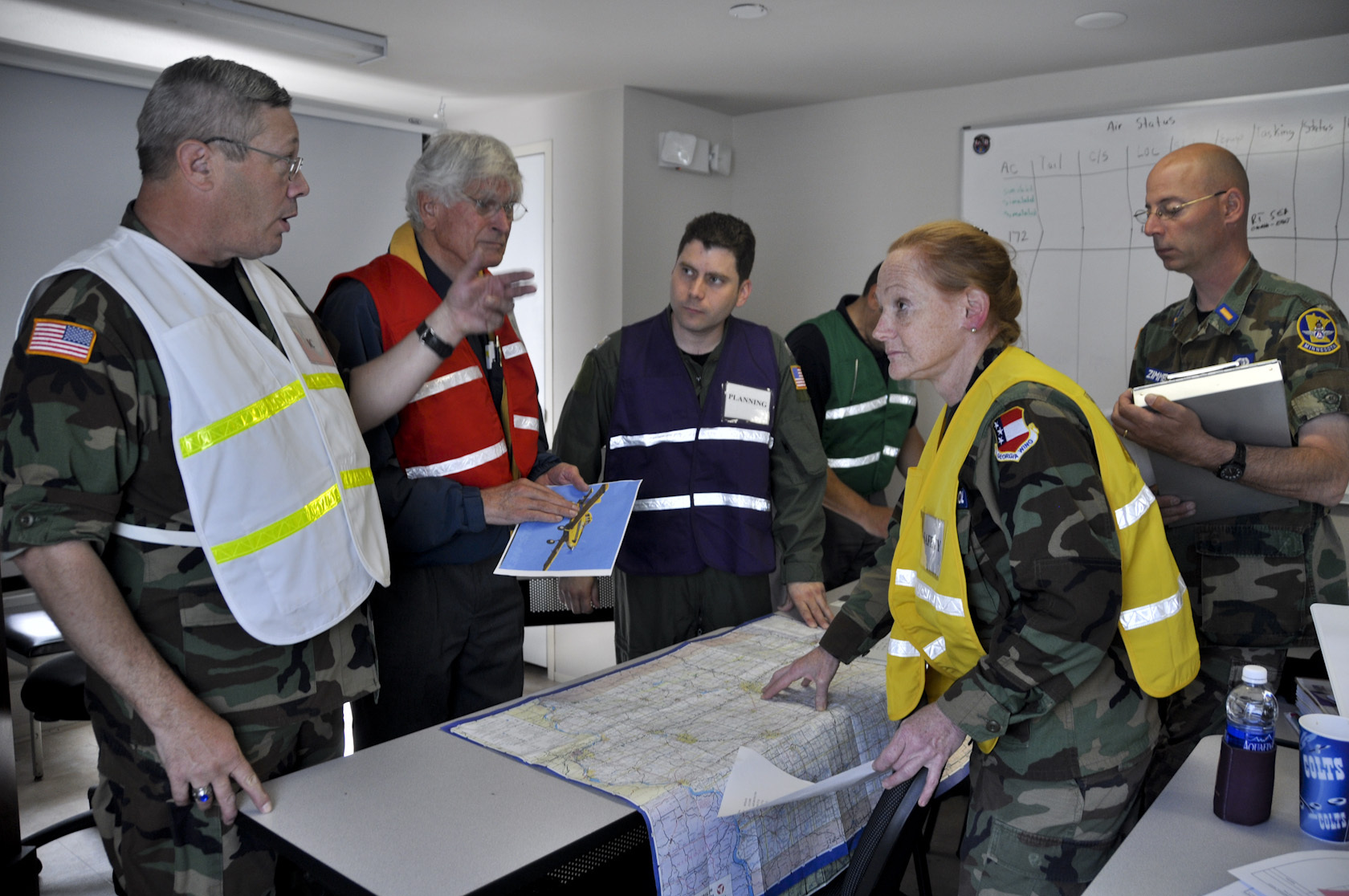
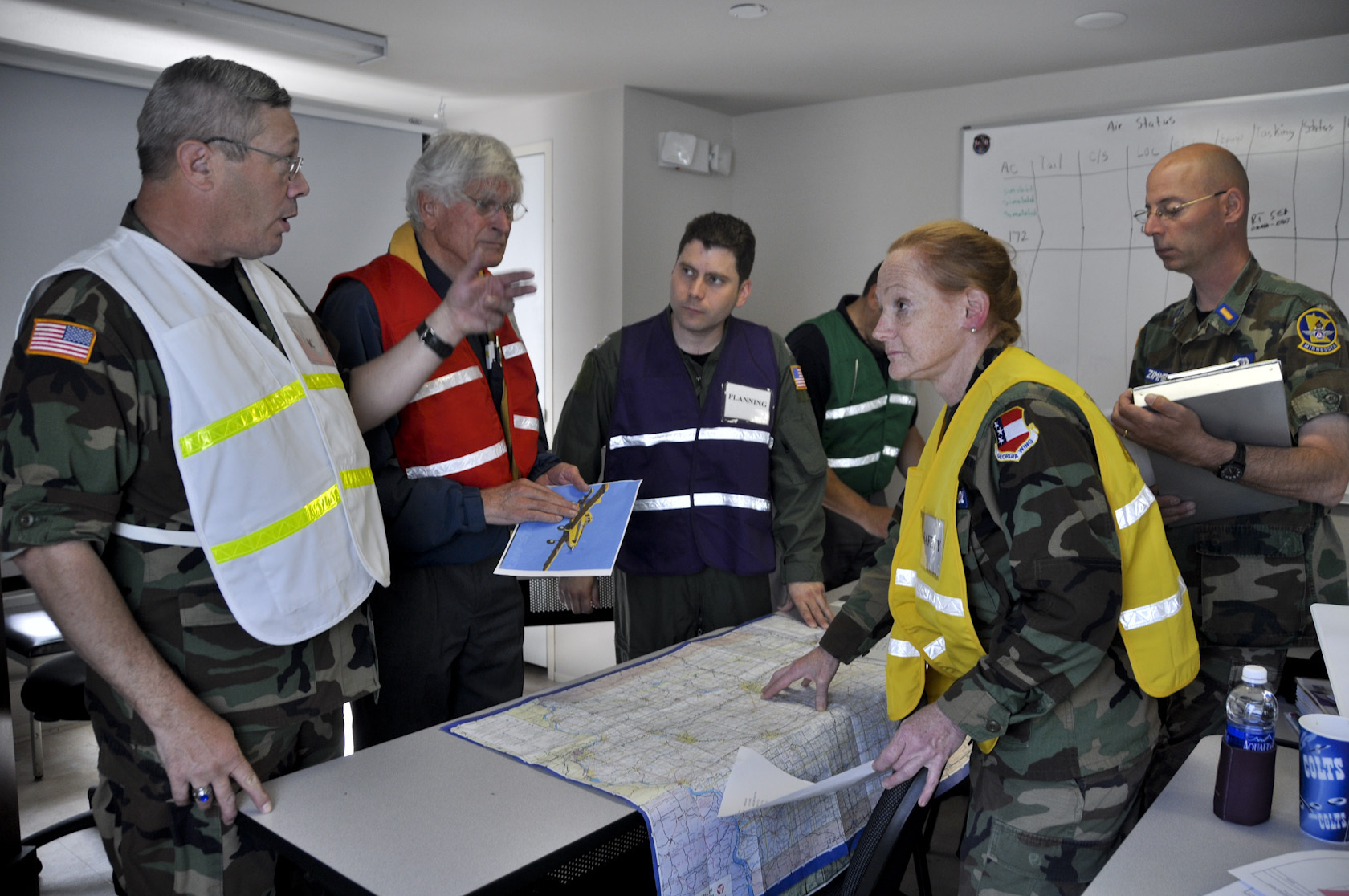
- Assemble the AI Response Team (AIRT): Do not rely solely on developers. Your team must include a data scientist (to understand the model), a legal counsel (for liability), a PR representative (for brand management), and a business process owner (to understand the system’s impact).
- Establish Triage Severity Levels: Define thresholds.
- Level 1: Minor performance degradation (e.g., bot provides slightly incorrect product info).
- Level 2: Operational failure (e.g., algorithm denies service to valid customers).
- Level 3: Existential/Compliance failure (e.g., model exhibits discriminatory behavior or leaks PII).
- Implement “Kill Switch” Protocols: You must have a pre-tested, automated way to pull a model offline. If the AI is performing real-time inference, the system must be able to switch instantly to a “Safe Fallback” (like a rule-based system or a human-in-the-loop workflow).
- Data Provenance and Logging: Ensure you are logging not just the input/output, but the model version and the data features used at the time of the incident. Without this audit trail, you cannot replicate the error.
- Communication Strategy: Create pre-approved templates for internal and external stakeholders. Transparency is key; if an AI system causes harm, waiting for a perfect internal investigation before acknowledging the issue often destroys trust.
- Recovery and Retraining: Define how you will bring the system back online. This should include synthetic testing (testing the model against the specific scenario that caused the failure) and staging the model in a sandbox before deployment.
Examples and Real-World Applications
Consider the scenario of a large financial institution using an AI model to approve loan applications.
The model begins rejecting a disproportionate number of applicants from a specific geographic region due to a localized economic anomaly that the model interpreted as high risk.
The Incident Response Action:
- Triage: The team identifies the trend within hours of the “anomaly” spike.
- Containment: The model is immediately switched to a “historical baseline” mode—a version known to be fair but less efficient.
- Investigation: The data science team discovers the model was over-weighted on recent, volatile data.
- Recovery: The model is retrained with a “temporal decay” factor applied to recent data points to prevent over-reaction to short-term market noise.
This demonstrates that a robust AIRP isn’t just about turning the machine off; it is about having a tactical plan to maintain business operations while the intelligence layer is rehabilitated.
Common Mistakes
- Ignoring “Shadow AI”: Teams often build their own small AI tools without IT oversight. An AIRP is useless if it doesn’t cover these decentralized applications.
- Over-Reliance on Human Review: Expecting a human to catch an AI error in real-time is unrealistic for high-velocity systems. Your response plan must assume the human will be the last to know.
- Failure to Update: AI models change constantly. If your response plan is based on the architecture of a model from six months ago, you are planning for a threat that no longer exists.
- Neglecting Data Privacy: Many incident plans focus on system availability but forget that an AI “failure” can also be a massive, automated data leak.
Advanced Tips
Implement “Adversarial Red Teaming”: As part of your quarterly maintenance, pay a team to intentionally break your system. If you can’t find the flaw, the hackers will. Use these mock-incidents to refine your AIRP.
Automated Observability: Move beyond basic logs. Implement automated drift detection tools that trigger an alert the moment a model’s output distribution shifts significantly from your training baseline. Early warning is the best form of containment.
The “Explainability” Requirement: Ensure your model architecture supports LIME (Local Interpretable Model-agnostic Explanations) or similar techniques. If you cannot explain *why* the AI made a specific decision during the incident investigation, you will be unable to satisfy regulators or customers.
Conclusion
Building a standardized AI Incident Response Plan is not about preventing failure—it is about mastering it. As AI systems become more integrated into our decision-making, the ability to fail gracefully, contain the damage, and restore functionality will become a significant competitive advantage. By treating your AI as a mission-critical asset, establishing clear triage protocols, and preparing for the inevitable “black box” malfunction, you protect your organization’s reputation and ensure that your technology remains a tool for growth rather than a source of liability.
Start today by identifying the most sensitive AI models in your organization and auditing your current response capabilities against the steps outlined above. Resilience is the final frontier of successful AI deployment.