Incident response plans for AI failures ensure rapid containment of harmful system behavior.
— by
Steven Haynes
Beyond Human Error: Engineering Incident Response Plans for AI Failures
Introduction
Artificial Intelligence is no longer an experimental toy; it is the engine powering customer service, financial underwriting, and supply chain logistics. However, unlike traditional software, which operates on deterministic logic, AI systems are probabilistic. When they fail, they don’t just crash—they hallucinate, leak sensitive data, or amplify biases in real-time. Without a dedicated Incident Response Plan (IRP) for AI, an organization is essentially driving a high-speed vehicle without brakes.
An AI-specific incident response plan is not a replacement for your standard IT disaster recovery policy. It is a specialized framework designed to address the unique behavioral unpredictability of machine learning models. By establishing clear protocols for detection, containment, and recovery, organizations can prevent a minor model drift from spiraling into a catastrophic brand reputation crisis or a regulatory nightmare.
Key Concepts: The Anatomy of an AI Failure
To respond effectively, you must first define what constitutes an “AI incident.” These failures generally fall into three categories:
Model Drift and Performance Decay: The model’s predictive accuracy degrades because the real-world data distribution has shifted away from the data used during training.
Adversarial Attacks: Malicious actors utilize prompt injection or data poisoning to force the model to bypass safety guardrails, revealing sensitive information or generating toxic content.
Unintended Bias and Ethical Failures: The model displays discriminatory behavior or provides harmful advice that was not captured during the testing phase, often appearing only after exposure to diverse, edge-case user inputs.
The core philosophy of an AI incident response plan is containment over correction. In traditional software, you patch and redeploy. In AI, you must first isolate the model from the user interface or “roll back” to a deterministic fallback system to stop the harm before attempting to diagnose the underlying training issue.
Step-by-Step Guide: Building Your Response Framework
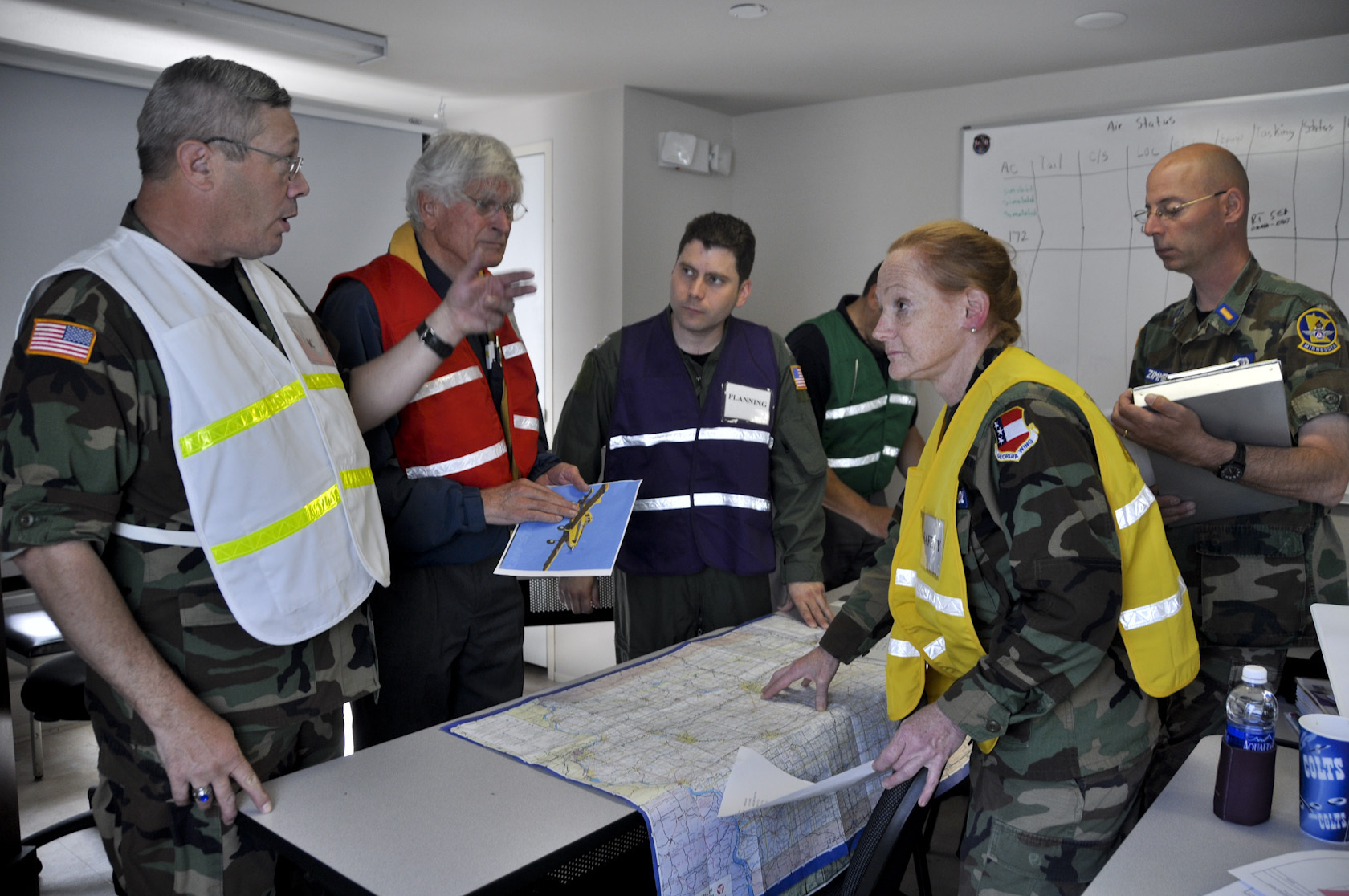
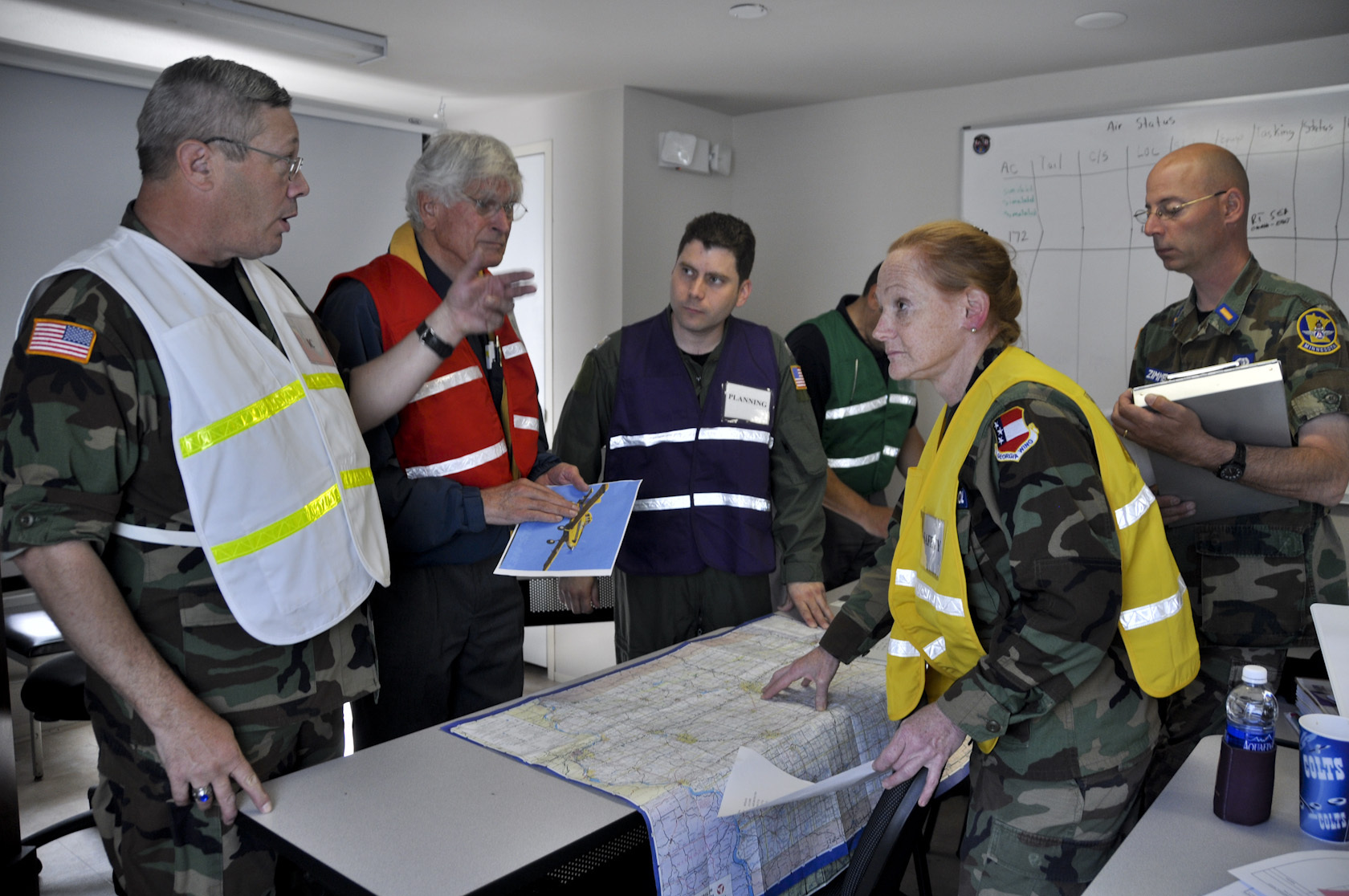
Establish an AI Response Team (AIRT): Do not rely solely on DevOps. Your team must include a Data Scientist (to understand model mechanics), a Legal/Compliance Officer (to handle regulatory fallout), and a PR lead (to manage external communication).
Define Thresholds for “Automated Kill Switches”: Pre-define metrics—such as a specific drop in sentiment scores or a spike in high-variance outputs—that trigger an automatic suspension of the model.
Implement Observability Infrastructure: You cannot respond to what you cannot see. Use logging tools that track not just system uptime, but model inputs, outputs, and confidence scores in real-time.
Develop a Rollback/Fallback Strategy: Create a “circuit breaker” that routes traffic from the failing AI model to a legacy deterministic script or a human-in-the-loop support team.
Post-Mortem Protocols: Every AI incident must be dissected. You need to determine if the failure was caused by bad training data, malicious input, or infrastructure instability.
Examples and Real-World Applications
Consider a large-scale e-commerce platform using an AI-driven chatbot for customer returns. During a holiday promotion, the model begins promising customers full refunds for items that are clearly marked as “final sale.” Because the company has an AI incident response plan, their monitoring system flags a 400% increase in “refund approved” keywords. The automated kill switch activates within minutes, routing chatbot requests back to human agents while the technical team investigates the prompt injection issue. The company saves thousands of dollars and avoids a flood of false-promise customer complaints.
Contrast this with a scenario where there is no plan. The model continues to output false information for 48 hours. By the time the issue is spotted, the brand is trending on social media for the wrong reasons, and the finance department is struggling to reconcile thousands of unauthorized manual overrides.
Common Mistakes to Avoid
Treating AI as a “Black Box”: Many teams assume they cannot debug AI because it is complex. This leads to a “wait and see” approach. You must treat model outputs as data points that require rigorous monitoring.
Ignoring Data Lineage: When an incident occurs, failing to understand which dataset version the model is currently running on makes it impossible to retrain and fix the issue.
Over-Reliance on Automated Testing: Static pre-deployment testing is insufficient. You must test in production because user interactions are unpredictable and often reveal edge cases that testing suites miss.
Siloing AI teams from Legal: AI failure often leads to GDPR or privacy violations. If your legal team is not looped into the incident response plan, you risk severe non-compliance penalties.
Advanced Tips: Resilience by Design
To take your incident response to the next level, move beyond reactive measures and implement Red Teaming. Regularly task your internal security teams with attempting to “break” your models. By documenting how they successfully bypass guardrails, you can build pre-emptive containment protocols into your response plan.
Furthermore, integrate Human-in-the-Loop (HITL) checkpoints for high-stakes decision-making. If your model is involved in loan approvals or medical triage, the response plan should mandate that any output below a certain confidence score must be reviewed by a human expert before it reaches the end user.
Finally, version control for data is just as important as version control for code. Treat your training datasets as artifacts. If a model starts misbehaving, your incident response should allow you to “replay” the incident using specific datasets to reproduce the error in a sandbox environment.
Conclusion
AI failures are an inevitability, not a possibility. As systems become more autonomous, the speed and accuracy of your response determine whether an anomaly remains a minor technical hiccup or transforms into a business-ending disaster.
By establishing an AI-specific incident response plan, you create a safety net that protects both your customers and your corporate integrity. Invest in the right observability tools, empower a cross-functional response team, and never be afraid to hit the kill switch. In the era of autonomous intelligence, the ability to stop a system is just as important as the ability to build one.
The goal of an incident response plan for AI is not to prevent failure—it is to prevent failure from becoming a crisis. By codifying your containment strategies today, you ensure that your organization remains the master of its technology, rather than a casualty of its unpredictability.




Leave a Reply