Designing for Permanence: Ending Planned Obsolescence
— by
Steven Haynes
Outline:
1. Introduction: Defining the tension between profit-driven design and durability.
2. Key Concepts: Explaining planned obsolescence vs. design for longevity.
3. Step-by-Step Guide: Transitioning from profit-centric to utility-centric production models.
4. Examples: Comparing the “lightbulb conspiracy” to open-source hardware initiatives.
5. Common Mistakes: Why “greenwashing” and incrementalism fail to solve the systemic issue.
6. Advanced Tips: Leveraging modularity and circular economy frameworks.
7. Conclusion: The future of sustainable product lifecycles.
Designing for Permanence: Why Profit Motives Drive Planned Obsolescence
Introduction
For nearly a century, consumers have lived in a cycle of acquisition, decay, and disposal. We have become accustomed to the idea that a smartphone will slow down after two years, that a printer will fail just as the ink runs out, and that household appliances are more economical to replace than to repair. This is not a coincidence of engineering; it is a calculated feature of the modern global economy.
The concept of planned obsolescence—the deliberate design of products to have a limited useful life—is a direct byproduct of the profit motive. When a business relies on perpetual growth and recurring sales to satisfy shareholders, longevity becomes a liability. By removing or restructuring the profit motive, we uncover a design philosophy centered on durability, modularity, and environmental stewardship. Understanding this dynamic is the first step toward reclaiming our agency as consumers and shifting toward a more sustainable future.
Key Concepts
To understand why profit motives dictate product lifespan, we must distinguish between value-based design and volume-based design.
Planned Obsolescence functions in three primary ways: physical degradation (using cheaper materials that fail), psychological obsolescence (marketing new versions as status symbols), and systemic incompatibility (software updates that require newer hardware). In a profit-driven model, these are not bugs; they are features that ensure a steady stream of revenue.
Conversely, Design for Longevity prioritizes the total cost of ownership and the ecological footprint of an object. When the mandate shifts from “maximize quarterly profit” to “maximize utility and sustainability,” the engineering constraints change immediately. High-quality materials, user-serviceable components, and long-term software support become the primary metrics of success rather than secondary considerations.
Step-by-Step Guide
Transitioning away from a system of planned obsolescence requires a fundamental shift in how we approach product lifecycles. Here is how that transition looks in practice:
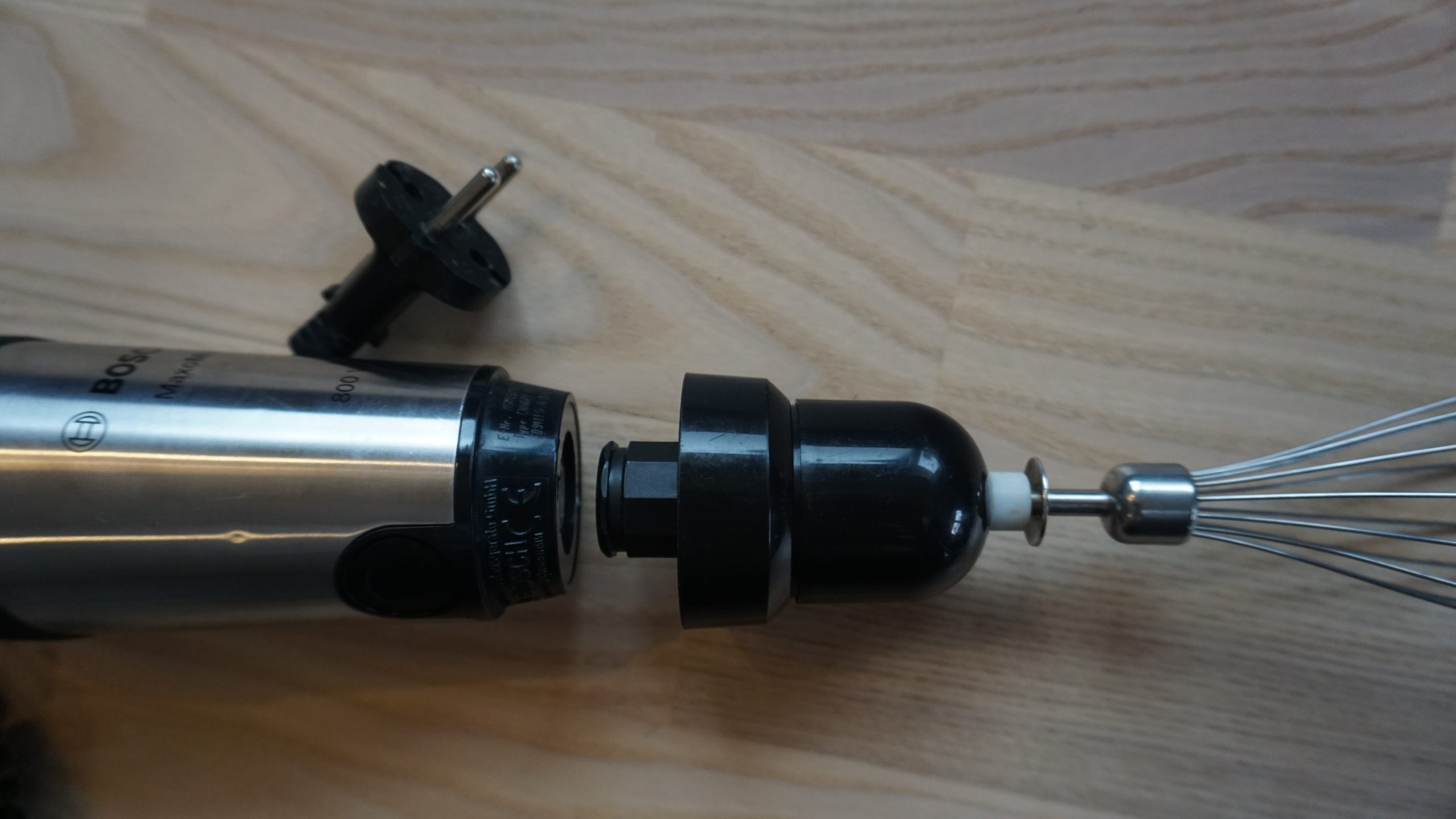
Standardize Modular Architecture: Move away from proprietary, glued-shut designs. By adopting universal standards for batteries, screens, and processors, products can be upgraded piece-by-piece rather than replaced in their entirety.
Prioritize Open-Source Repairability: Manufacturers should provide public access to diagnostic software, service manuals, and spare parts. This shifts the power dynamic from “authorized service providers” back to the owner.
Implement Material Transparency: Designers must track the lifecycle of every component. If a product is designed to last 20 years, the materials must be chosen to withstand that duration, and the eventual recycling path must be mapped out at the drafting stage.
Decouple Software from Hardware: Abandon the practice of “software locking,” where functional hardware is bricked via update. Operating systems should be designed to run efficiently on older hardware or be open-sourced once the manufacturer stops providing updates.
Examples or Case Studies
The most famous historical example of planned obsolescence is the Phoebus Cartel, formed in the 1920s by major lightbulb manufacturers. They conspired to limit the lifespan of bulbs to 1,000 hours, despite the existence of technology that allowed for bulbs to last for decades. This was a direct decision to prioritize profit over technical capability.
In contrast, look at the Framework Laptop. This modern company builds modular, repairable hardware. If the processor becomes outdated, the user swaps the motherboard without discarding the screen, chassis, or battery. Because their business model respects the user’s investment rather than exploiting it, they have fostered a loyal community that views the product as a long-term tool rather than a disposable commodity.
The true cost of a product is not what you pay at the register, but the total environmental and financial burden it imposes throughout its life.
Common Mistakes
When organizations try to address the issue of obsolescence, they often fall into common traps that render their efforts ineffective:
Greenwashing: Companies often claim their products are “recyclable” while simultaneously ensuring they are impossible to disassemble. Recyclability is meaningless if the product cannot be opened without destroying it.
Incrementalism: Trying to fix a system built for obsolescence by simply using “better plastic” is a failure. The issue is systemic; it requires a structural change in how the product is engineered and sold.
Ignoring Software: Many companies focus on physical durability while ignoring the fact that a perfectly functional device can be made useless by a software update. Hardware longevity is only half the battle.
Advanced Tips
For those looking to influence this shift or build products that resist obsolescence, consider these advanced strategies:
Adopt a Product-as-a-Service (PaaS) model: If a company retains ownership of the product and the customer pays for the utility (e.g., light-as-a-service instead of selling lightbulbs), the company’s profit motive aligns with longevity. If the product breaks, it costs the company money to replace it. Therefore, they are incentivized to build the most durable product possible.
Focus on “Right to Repair” Advocacy: Support legislation that mandates component availability. As consumer demand for transparency increases, manufacturers are forced to pivot or risk losing market share to modular competitors.
Prioritize Interoperability: Design products that play nice with others. When a device relies on a closed, proprietary ecosystem, it becomes a “paperweight” the moment the company goes out of business or abandons the platform. Open protocols ensure that even if the original manufacturer disappears, the product remains functional.
Conclusion
The systemic incentive for planned obsolescence is the engine of our current “take-make-waste” economy. By recognizing that this is a choice—not a technical necessity—we can demand better. Whether through supporting modular design, advocating for right-to-repair laws, or shifting business models toward service-based utility, we can break the cycle of forced replacement.
True innovation is not found in the release of a slightly faster, thinner, or more fragile device. True innovation is found in the creation of tools that endure, evolve with the user, and respect the planet’s finite resources. The future of design is not about how much we can sell, but how well we can serve.




Leave a Reply