1. Introduction: Define the shift from “built to break” to “built to last” (circular economy). 2. Key Concepts: Explain the transition from linear consumption to modular design and service-based models. 3. Step-by-Step Guide: How companies are implementing “Design for Longevity.” 4. Examples/Case Studies: Fairphone, Patagonia, and the shift in automotive manufacturing. 5. Common Mistakes: Misinterpreting durability as a cost center rather than a value driver. 6. Advanced Tips: Implementing “Product-as-a-Service” (PaaS) and digital twins for maintenance. 7. Conclusion: The economic and environmental mandate for long-term production.
***
The End of Obsolescence: Engineering Longevity into the Product Lifecycle
Introduction
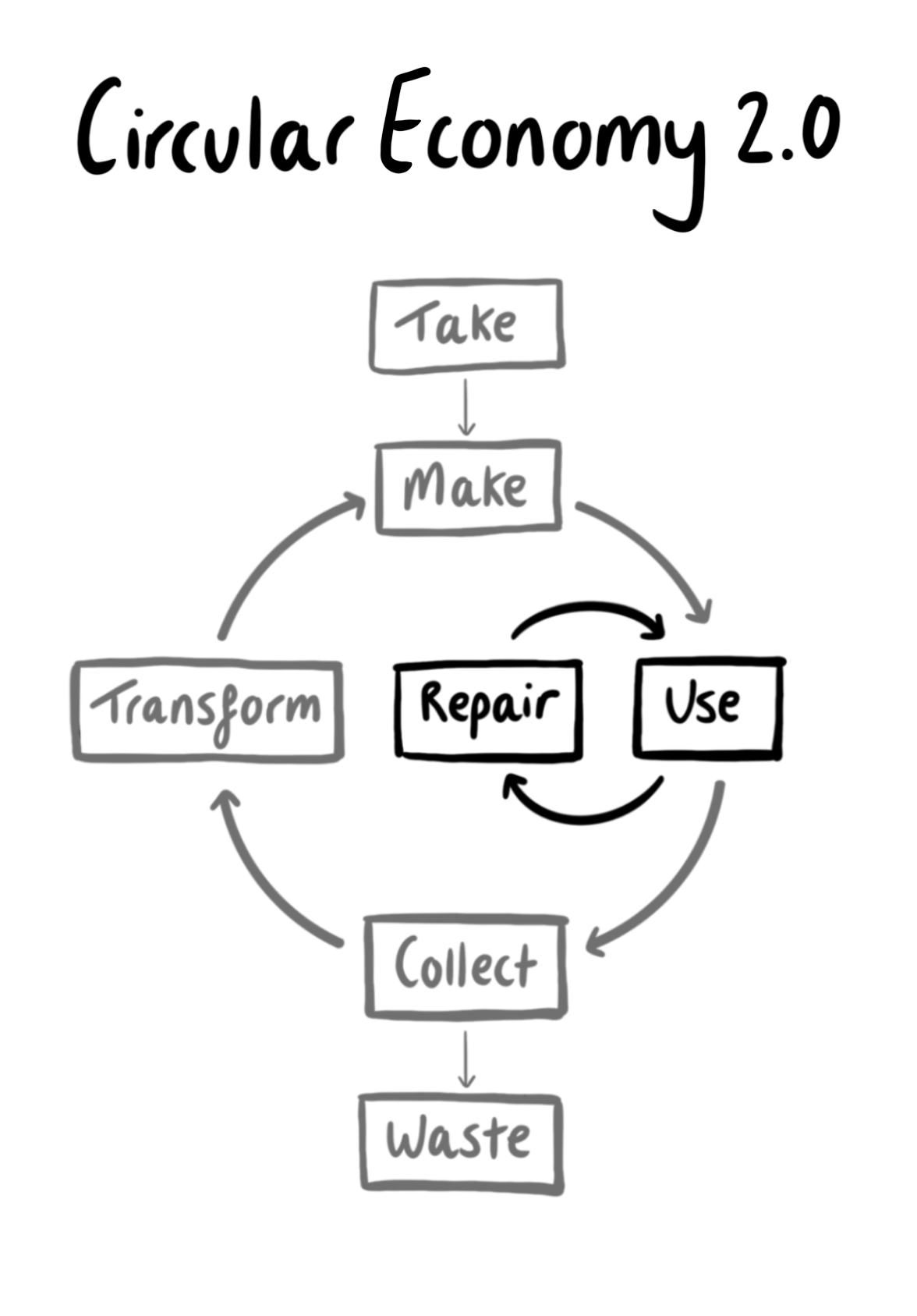
For decades, the global economy has been fueled by the engine of planned obsolescence. From lightbulbs designed to burn out to smartphones with non-replaceable batteries, the “take-make-waste” model has been the standard operating procedure for manufacturing. However, a seismic shift is underway. Forward-thinking organizations are now systematically engineering obsolescence out of the production cycle, moving toward a circular economy where durability is the ultimate competitive advantage.
This transition is not merely an environmental crusade; it is a strategic business pivot. As consumer awareness grows and regulatory bodies tighten “Right to Repair” legislation, companies that prioritize product longevity are capturing market share from those clinging to disposable business models. This article explores how industry leaders are fundamentally re-engineering their production cycles to ensure their products remain relevant, repairable, and robust for years, not months.
Key Concepts
To move beyond planned obsolescence, we must understand the three pillars of sustainable engineering: Modular Design, Material Circularity, and Service-Based Architecture.
Modular Design involves building products as a collection of independent, replaceable parts. Rather than a monolithic device that must be discarded if one component fails, a modular product allows for the extraction and replacement of specific modules—like a camera sensor, a battery, or a screen—without affecting the rest of the unit.
Material Circularity refers to the selection of raw materials based on their ability to be recovered and reused. This moves away from virgin plastic or proprietary alloys toward standardized, recyclable materials that maintain their integrity throughout multiple product lives.
Service-Based Architecture shifts the focus from selling a “one-off” product to selling an outcome. By retaining ownership or responsibility for the product’s entire lifecycle, manufacturers are financially incentivized to make the product last as long as possible, as maintenance costs hit their own bottom line rather than the consumer’s.
Step-by-Step Guide: Engineering Longevity
Transitioning away from planned obsolescence requires a rigorous, data-driven approach to product development. Here is how leading manufacturers are restructuring their cycles:
Audit the Failure Points: Conduct a deep-dive forensic analysis of legacy products to identify the specific components that trigger replacement. Is it battery degradation? Software friction? Mechanical wear? Identify the “weakest link” and target it for modular redesign.
Standardize Interfaces: Ensure that components are not proprietary. By using universal standards for connectors, screws, and software protocols, you empower third-party repair shops and DIY users to extend the life of your products.
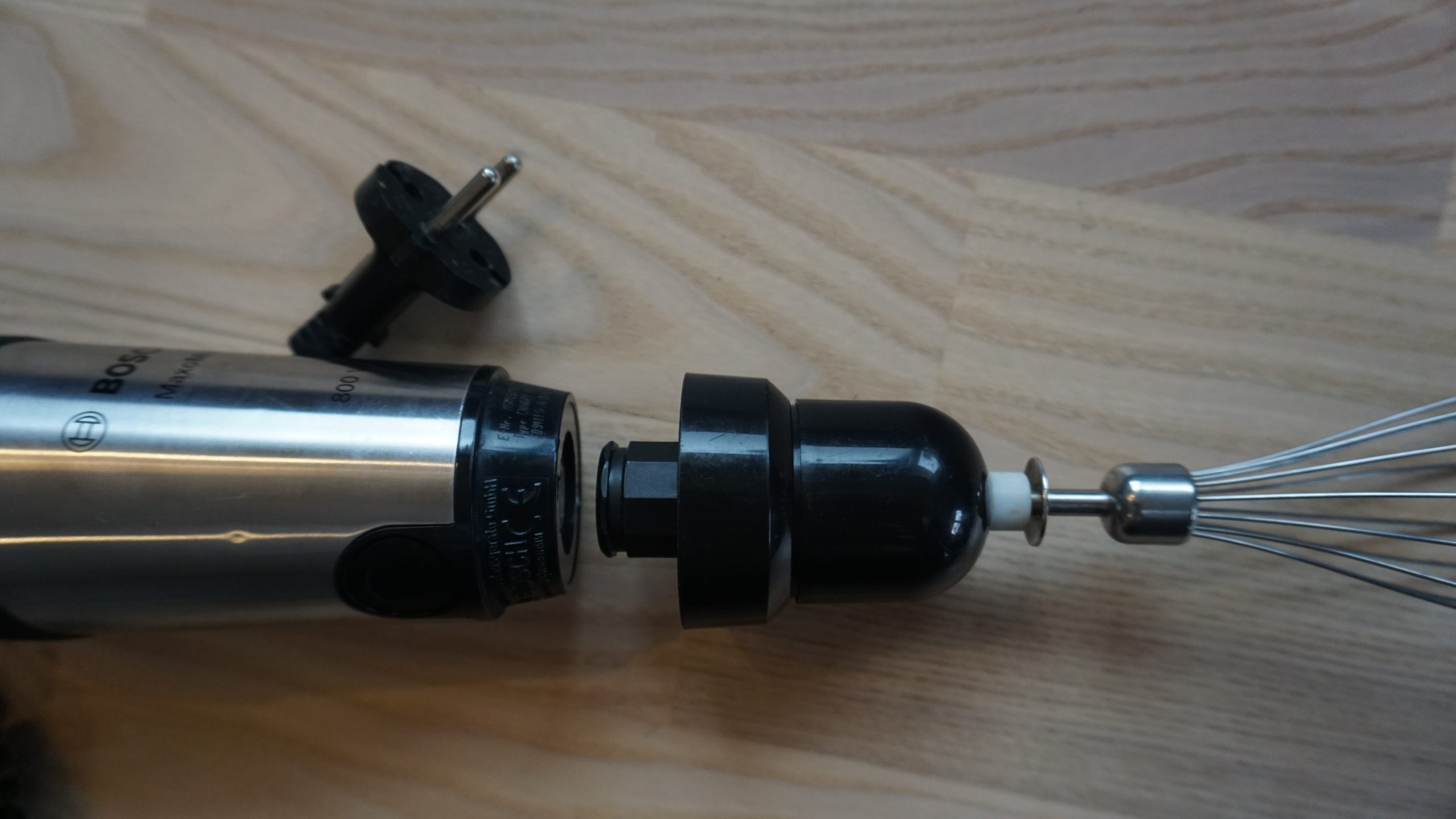
Design for Disassembly (DfD): Move away from adhesives and permanent sonic welding. Use mechanical fasteners like screws or snap-fits that allow for non-destructive disassembly. If a technician cannot open the device without breaking it, the product is inherently obsolete.
Implement “Over-the-Air” (OTA) Longevity: Use software to improve efficiency over time. Instead of using software updates to slow down legacy hardware, optimize the code to reduce processor load, extending the effective usable life of the internal components.
Build a Secondary Market Ecosystem: Create an official channel for refurbished goods. By controlling the refurbishment process, you maintain brand equity and ensure that the “second life” of the product meets your quality standards.
Examples and Case Studies
Fairphone: The Dutch smartphone manufacturer is the gold standard for anti-obsolescence. Their devices are designed to be repaired by the user. By providing spare parts, detailed repair guides, and a modular architecture, they have proven that consumers are willing to pay a premium for hardware that they truly own and can maintain.
Patagonia: By creating the “Worn Wear” program, Patagonia actively encourages customers to repair their gear rather than buy new items. They provide free repair guides and a platform for trading in used gear. This reinforces the brand’s value proposition: high-quality equipment that is meant to last a lifetime, which in turn fosters immense customer loyalty.
Industrial Machinery (The Service Model): Companies like Rolls-Royce and Philips have shifted to “Power-by-the-Hour” or “Light-as-a-Service” models. By selling the result—jet engine thrust or office illumination—rather than the hardware, the manufacturer takes full responsibility for maintenance, upgrades, and recycling. This creates a direct financial incentive to manufacture the most durable, efficient equipment possible.
Common Mistakes
Viewing Durability as a Cost Center: Many firms view the extra expense of high-quality materials or modular design as a liability. In reality, it is an investment in customer lifetime value (CLV) and brand resilience.
Ignoring the Secondary Market: Companies often fear that a robust used-product market will cannibalize new sales. The reality is that a strong resale value for your brand attracts more first-time buyers who are comforted by the high “residual value” of the product.
Neglecting Software Compatibility: Building hardware that lasts 10 years is useless if the software becomes incompatible with modern networks or operating systems after three years. Longevity must be a cross-departmental mandate including firmware developers.
Advanced Tips
To truly master the elimination of planned obsolescence, look toward Digital Twins. By creating a virtual replica of a physical product that tracks real-time usage data, manufacturers can predict when a component is likely to fail before it actually breaks. This allows for “predictive maintenance,” where a part is replaced during a routine check-up, preventing catastrophic failure and extending the product’s life indefinitely.
Furthermore, consider Open-Source Repairability. By releasing 3D-printable files for replacement parts or open-sourcing the schematics for your hardware, you offload the burden of supporting legacy products to a community of enthusiasts. This not only builds a passionate user base but also ensures that your products remain in circulation long after your internal support team has moved on to the next generation of hardware.
Conclusion
Planned obsolescence is a relic of an era characterized by cheap resources and unconstrained waste. Today, the competitive landscape rewards durability, modularity, and transparency. By systematically engineering these qualities into the production cycle, companies do more than just improve their environmental impact; they build deeper relationships with their customers and create a more predictable, sustainable business model.
The most successful companies of the next decade will be those that stop viewing their customers as a recurring revenue stream for replacements, and start viewing them as partners in a long-term product lifecycle.
The transition is challenging, but the path is clear: design for the user, design for the repair, and design for the future. When you build to last, you build to lead.







One thought on “The End of Obsolescence: Engineering Longevity into Products”