
Data Minimization: Why Less Is More in the Age of Digital Privacy
Introduction
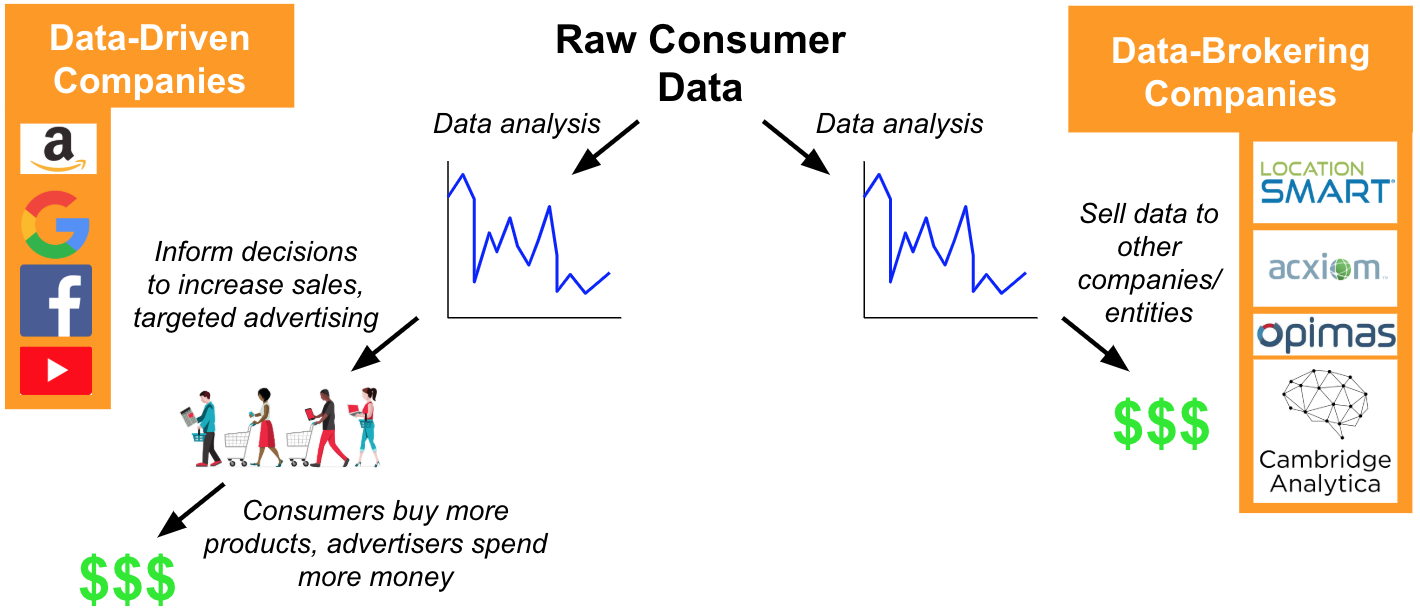
For decades, the prevailing business mantra was “data is the new oil.” Companies were encouraged to hoard as much user information as possible, believing that every byte—regardless of its immediate utility—might eventually unlock a competitive advantage. This “collect everything” strategy has fueled massive data breaches, ballooned cloud storage costs, and eroded consumer trust. Today, the tide is turning. Data minimization is no longer just a regulatory requirement under frameworks like GDPR or CCPA; it is a fundamental pillar of modern, responsible digital operations.
Data minimization is the practice of limiting the collection, storage, and processing of personal information to only what is strictly necessary to achieve a specific, stated purpose. By defaulting to a “less is more” approach, organizations can reduce their threat surface, improve operational efficiency, and build deeper, more transparent relationships with their customers.
Key Concepts
At its core, data minimization rests on three distinct pillars: Necessity, Adequacy, and Relevance.
Necessity: Before a single field is added to a sign-up form, ask: “Can we achieve our goal without this specific piece of data?” If you are running a newsletter, you need an email address. You do not necessarily need a physical address, a phone number, or a date of birth. If the data isn’t essential to the service, don’t collect it.
Adequacy and Relevance: Even if data is “nice to have,” it must be limited to what is relevant for the specific purpose. If your app tracks location for local weather updates, does it need to track that location 24/7 in the background, or is a zip-code entry upon login sufficient? Adequacy ensures that you aren’t collecting granular data when generalized data will suffice.
Storage Limitation: Data minimization extends to the lifecycle of the information. Storing data “just in case” is a liability. Every record held in a database is a potential target for hackers. Implementing strict retention policies ensures that once the purpose for collection is fulfilled, the data is securely deleted or anonymized.
Step-by-Step Guide: Implementing Data Minimization
- Audit Your Existing Data: You cannot minimize what you haven’t identified. Perform a comprehensive data discovery exercise. Map out every data point you collect, where it is stored, who has access to it, and why it was originally collected.
- Establish Clear Purpose Statements: For every data category, write down exactly how it benefits the user. If you cannot justify a piece of data with a clear user-facing benefit, mark it for removal.
- Implement “Privacy by Design”: Redesign your data entry points. Use empty fields sparingly, leverage optional fields, and employ progressive profiling (collecting information incrementally as the relationship develops rather than all at once).
- Automate Retention Policies: Do not rely on manual cleaning. Configure your databases to automatically purge or anonymize data that is older than a set threshold (e.g., inactive user accounts or expired transaction logs).
- Prioritize Anonymization and Aggregation: Whenever possible, convert identifiable data into anonymized insights. You can measure usage patterns or demographic trends without needing to know the specific identity of every individual user.
Examples and Case Studies
The Retail Experience: A clothing retailer wants to offer a loyalty program. Traditionally, they might ask for a birth date, phone number, physical address, and credit card details upon signup. A minimization-first approach asks only for an email address. Later, when the user chooses to place an order, the system requests only the necessary shipping and payment info. By delaying the collection of sensitive data, the retailer reduces their risk during a potential breach and lowers the friction for the user during signup.
Data minimization isn’t just about what you don’t collect; it’s about what you stop hoarding. A company that holds 10 million records is a massive target; a company that regularly prunes its databases to keep only active, necessary user data becomes a “harder” and less attractive target for cybercriminals.
Financial Services: Modern fintech apps are increasingly using “Zero-Knowledge” architectures. Instead of storing a user’s actual bank credentials, the app uses a tokenized middleman to verify funds. The app never sees or stores the sensitive login data, meaning if the fintech’s servers are compromised, the attackers have nothing of value to steal. This is the pinnacle of data minimization: designing systems where you don’t even have access to the data in the first place.
Common Mistakes
- The “Maybe Later” Fallacy: Collecting information with the intent of using it for future products or analytics. If the intent isn’t defined today, it shouldn’t be collected today.
- Over-Retention: Keeping logs for years “just for compliance or auditing” without actually having a policy that mandates such a duration. Audit your compliance requirements—often, the law requires less than what you are actually holding.
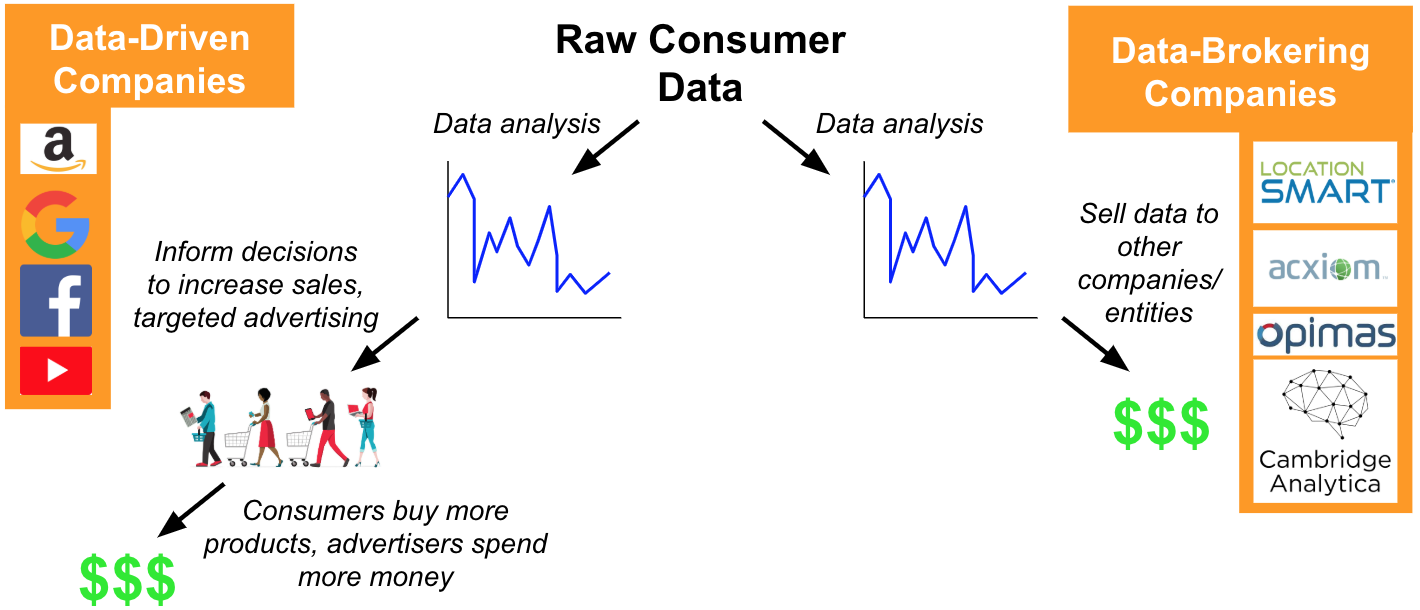
- Ignoring Third-Party Partners: Many companies minimize their own collection but then pass huge swaths of data to third-party ad trackers or analytics vendors. Data minimization must apply to your entire data supply chain.
- Assuming Anonymized Data is Safe: Simply removing a name is not enough. Re-identification attacks are common. Ensure your anonymization techniques (like hashing or differential privacy) are robust enough to withstand modern analytical techniques.
Advanced Tips
To truly mature your data operations, move beyond mere compliance and into Privacy Engineering.
Differential Privacy: This is a sophisticated way to add “noise” to a dataset. It allows you to gain insights from large groups of users (such as identifying trends in app usage) while mathematically guaranteeing that no single individual’s identity can be extracted from the data. It is the gold standard for responsible analytics.
Synthetic Data: For software developers and data scientists, stop using production data for testing. Generate synthetic datasets that mirror the statistical characteristics of your real data without containing any actual PII (Personally Identifiable Information). This eliminates the risk of test environments becoming a source of data leaks.
Data Decentralization: Where possible, keep data on the user’s device rather than in a central server. Known as “Edge Computing,” this strategy keeps the information under the user’s control. If your server doesn’t hold the data, you don’t have to worry about securing it—or losing it.
Conclusion
The transition to a data-minimized environment requires a shift in organizational culture. It requires product managers, engineers, and marketers to move away from the assumption that data is free, infinite, and inherently valuable. In reality, data is a liability—a toxic asset that requires constant, expensive security and carries the risk of catastrophic reputational damage.
By adopting data minimization as the default for all digital operations, you aren’t just protecting your users; you are building a leaner, faster, and more resilient organization. The future of the digital economy will be defined by trust. Companies that demonstrate respect for user privacy by refusing to collect data they don’t need will ultimately win the loyalty of a growing, privacy-conscious customer base.
Start small: conduct an audit, purge the “dark data” sitting in your backups, and make the next form you build as short as humanly possible. Your users, your IT security team, and your bottom line will thank you.





Leave a Reply