

Defining Algorithmic Harm: Protecting Religious Integrity in the Digital Age
Introduction
Algorithms now serve as the gatekeepers of modern discourse, curating the information we consume, the communities we join, and the spiritual resources we access. While these systems promise efficiency, they often operate as “black boxes,” subtly reshaping religious practice and belief. When an algorithm promotes extremist content, erases minority perspectives, or commodifies sacred rituals, it causes real-world damage. However, the term “harm” remains frustratingly vague in tech policy. To protect religious life, we must move beyond abstract concerns and establish clear, measurable definitions of algorithmic harm. Without these guardrails, the digital transformation of faith risks undermining the very values religious communities strive to preserve.
Key Concepts: What Constitutes Algorithmic Harm?
In a religious context, harm is not just about hate speech; it is about the systemic disruption of human dignity and agency. To categorize these impacts, we can look at three distinct domains:
- Epistemic Harm: This occurs when algorithms distort the “knowledge landscape” of a faith tradition. If an algorithm exclusively serves sensationalist or radicalized interpretations of a religion, it erodes the ability of adherents to access authentic, nuanced theological scholarship.
- Structural Marginalization: Algorithms often prioritize engagement-driven content. In a religious context, this favors loud, exclusionary, or inflammatory voices over moderate or quietist traditions. This pushes minority sects or historical perspectives into digital oblivion, effectively silencing them within the public square.
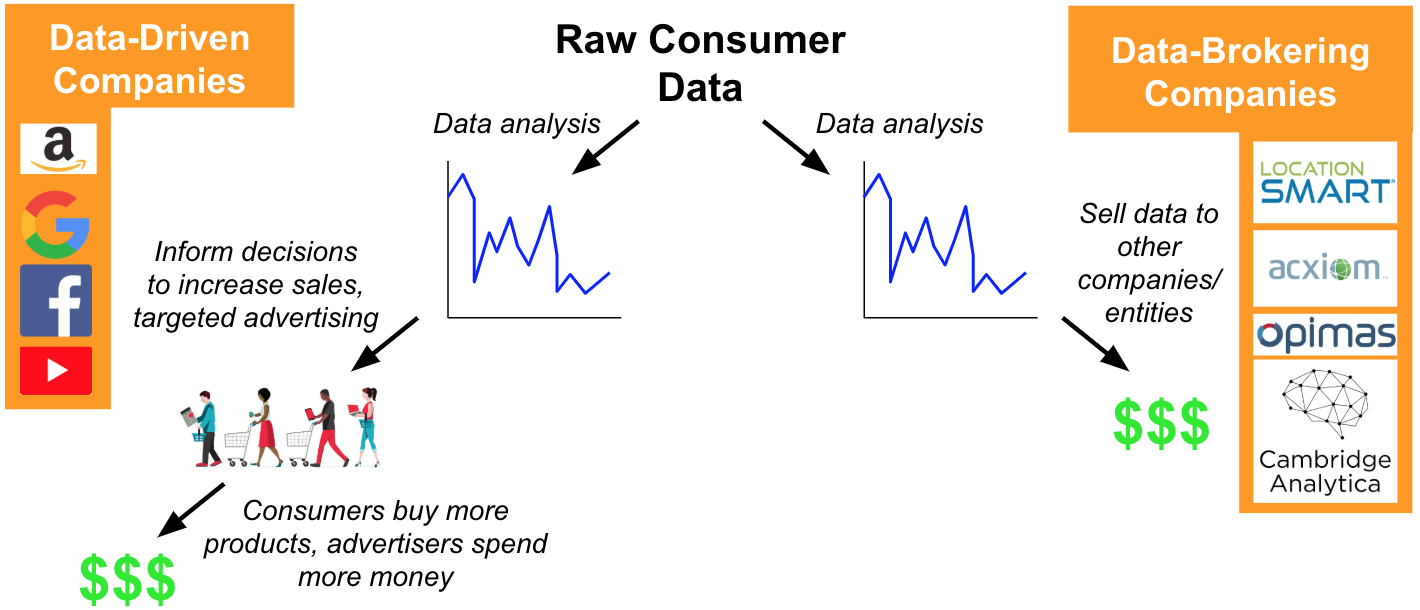
- Behavioral Coercion: This involves systems designed to nudge believers toward specific financial transactions (such as “pay-to-pray” models) or radicalizing behaviors. When a platform exploits a user’s spiritual vulnerability for data harvesting or ad revenue, it constitutes a fundamental violation of religious autonomy.
Step-by-Step Guide: Establishing Accountability
Organizations and community leaders must take proactive steps to define and mitigate these risks. Here is a framework for establishing clear boundaries:
- Conduct a “Spiritual Audit” of Platforms: Religious organizations should document how their members interact with specific platforms. Identify if the algorithm pushes users toward divisive content or replaces traditional community gathering with high-arousal, low-depth digital engagement.
- Establish “Neutrality Thresholds”: Define what constitutes an algorithmic bias. For instance, does the platform allow for “content parity,” where established theological resources have equal visibility to fringe interpretations? Demand that platforms provide metadata transparency for religious content rankings.
- Formalize Harm Thresholds: Define “harm” in your organizational charter. Explicitly state that content which incites violence, misrepresents fundamental tenets through deepfakes, or exploits religious iconography for commercial coercion is considered a violation of safety standards.
- Implement Human-in-the-Loop Oversight: Advocate for oversight boards that include theological experts, not just data scientists. Decisions regarding the removal or promotion of religious content should require expertise in the tradition being mediated.
Examples and Case Studies
Consider the impact of social media algorithms on interfaith harmony. In several documented instances, algorithms have prioritized videos that portray minority religious groups in a derogatory light because that content garnered more clicks (engagement). The harm here is cumulative: constant exposure to such content can lead to real-world prejudice and community violence.
Conversely, look at the rise of “Algorithmic Liturgy.” Some platforms suggest personalized prayer schedules or curated sermon feeds. While these feel convenient, they often strip away the communal, unpredictable nature of religious growth. The harm occurs when the individual is placed in a “theological echo chamber,” where they never encounter a challenge or a perspective that differs from their current belief structure, thereby hindering spiritual maturity.
“True religious liberty in the 21st century requires that our digital environments be designed to respect, rather than exploit, the cognitive and communal structures of faith.”
Common Mistakes
- Confusing Censorship with Safety: Many religious groups fear that calling for algorithmic regulation equates to supporting censorship. The goal is not to police “truth,” but to prevent systems from prioritizing harmful engagement over neutral information.
- Ignoring Data Sovereignty: Religious communities often share vast amounts of sensitive data (prayer requests, personal struggles) with digital platforms. Failing to treat this as protected, sacred information is a major oversight.
- Over-Reliance on Technical Fixes: Expecting an algorithm to “solve” hate speech is a mistake. Algorithms lack human wisdom; they prioritize speed. Communities must provide the human wisdom necessary to contextualize religious content.
Advanced Tips for Digital Stewardship
To move toward a more robust defense of religious life online, consider these advanced strategies:
Promote Data Literacy: Religious leaders should integrate digital literacy into their teaching. When congregants understand that their “feed” is a profit-driven construct rather than an objective reality, they become less susceptible to algorithmic manipulation.
Demand Algorithmic Impact Assessments (AIAs): As an organization, pressure social media platforms to conduct and release public AIAs regarding their impact on religious freedom and community safety. Use your collective bargaining power to ensure that platforms are held to standards that go beyond mere legality and touch upon ethical responsibility.
Cultivate “Algorithmic Resistance”: Create offline spaces that serve as counterpoints to digital ones. If the algorithm promotes speed and outrage, your physical community should promote reflection and nuance. Use the digital space for outreach, but anchor the substance of the faith in real-world relationships that cannot be measured or monetized by a platform’s metrics.
Conclusion
The digital age offers unprecedented opportunities for religious communities to connect and share their message. However, the architecture of the internet is not neutral. Algorithms are designed to capture attention, and in that process, they often sacrifice the nuance and sanctity that are the hallmarks of genuine religious life. By establishing clear, specific definitions of harm—focusing on epistemic integrity, structural fairness, and behavioral autonomy—we can move from being passive consumers of digital content to active stewards of our own religious destiny. It is time to treat the protection of our digital religious life with the same gravity we apply to our physical institutions.


Leave a Reply