
Uncategorized
-

The Architecture of Abandonment: Why Real Strategy Requires Strategic Neglect
In the previous analysis of the Mebahiah archetype, we established that high-stakes leadership is a battle against entropy—the constant tendency for vision to dissolve into tactical noise. While the "Mebahiah Method" provides a framework for structural integrity, many leaders fail not because they lack vision, but because they suffer from an inability to destroy. The…
-
The Fallacy of the ‘Pivot’: Why Reactive Agility is Just Another Form of Entropy
In the previous discussion of the Mehiel archetype, we explored the necessity of intellectual sovereignty to counter the chaos of the ‘Haures effect.’ While the preservation of mental clarity is the foundation of high-level strategy, there is a dangerous trap lurking in how modern leaders interpret this clarity: the cult of the ‘constant pivot.’ The…
-

The Scorch-and-Burn Fallacy: Why Your ‘Crisis Management’ Is Killing Your Company
In the high-stakes world of executive leadership, we are taught to fetishize the ‘firefighter.’ We reward the CEO who leaps into the fray, saves the quarter with a desperate pivot, and pulls the company back from the brink of insolvency. But what if the person putting out the fire is the same person who inadvertently…
-
Architecting Entropy: Why Your Organization Needs a ‘Shadow Cabinet’ for Chaotic Variables
In our previous exploration of the Meltphron Paradigm, we established that high-impact volatility is not a defect of business—it is a structural necessity. Most executives view the ‘Meltphron’ variable—that unpredictable force that bridges stable structure and aggressive growth—as a fire to be extinguished. They are wrong. You do not extinguish a systemic catalyst; you curate…
-
Strategic Silence: Why the Most Dangerous Competitors are Invisible
In the previous analysis of the Merkim archetype, we explored the necessity of deep intelligence and narrative inevitability. But there is a secondary, more aggressive evolution of this strategic posture that is often overlooked: Strategic Silence. While the Merkim acts as a vessel for transformative insight, the true architect of market dominance understands that to…
-

Beyond Alignment: Why ‘Chaos Engineering’ is the Modern Shadow-Work
In our previous exploration of Mesnikhael, we framed the archetype as a source of stability—a mental framework for holding the center during systemic transitions. However, there is a dangerous pitfall in viewing archetypal leadership purely as a ‘stabilizing force.’ If you believe that your role as an executive is solely to impose order, you are…
-
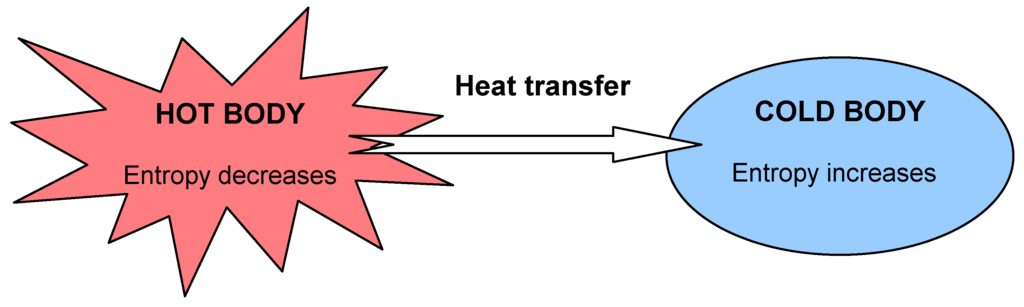
The Entropy Trap: Why Resonance Outperforms Authority in Scaling Enterprises
In the previous analysis of the Mesoel Construct, we established that leadership is less about management and more about the orchestration of internal states. However, there is a dangerous fallacy lurking in the halls of high-growth firms: the belief that the CEO’s primary job is to exert authority. In practice, the obsession with top-down authority…
-
The Silence of the Architect: Why Over-Communication is Killing Your Leverage
In the previous discussion on the Metabiel archetype, we explored the necessity of a dual-system operating framework—the balance between data-driven rigor and archetypal intuition. But there is a corollary to this principle that most modern leaders fear to embrace: The Doctrine of Strategic Opacity. The Noise Trap We live in an age of the ‘Open…
-
The Entropy Trap: Why Metatron Leaders Must Embrace Controlled Chaos
In our previous exploration of the Metatron Archetype, we established the need for the “Celestial Scribe”—a leader who synthesizes data to maintain systemic order. But there is a dangerous shadow side to this pursuit of perfect architecture: The Entropy Trap. Many leaders fall into the fallacy that if they design the perfect system, they can…
-

The Luciferian Trap: Why Sovereign Executives Must Distinguish Between Agency and Ego
In our previous exploration of the Michaelic Principle, we defined the Sovereign Executive as the ultimate bridge between high-level vision and granular tactical reality. We framed leadership as an act of alignment—a Michaelic duty to organize the ‘Host’ and enforce the ‘Source.’ But there is a dangerous shadow-side to this archetypal power that every ambitious…