
Uncategorized
-
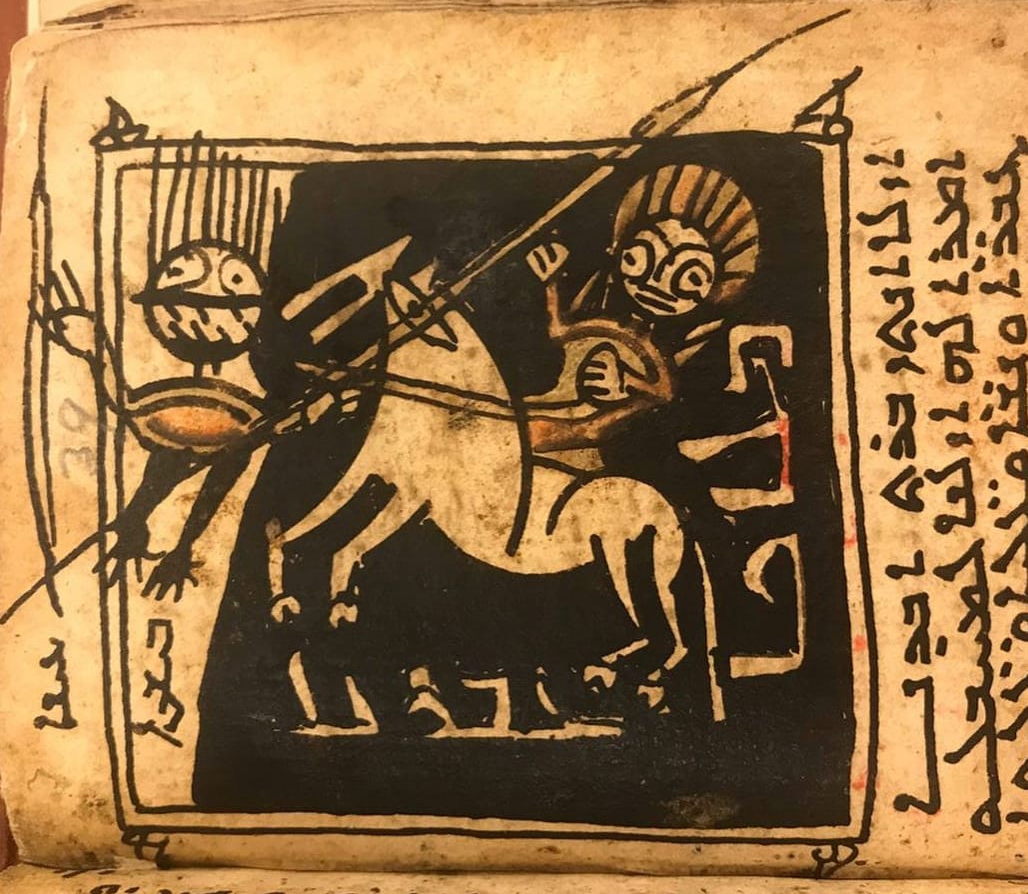
The Gabriel Counter-Strategy: Why Sovereignty Requires Subversion
In our previous exploration of the Michael archetype, we defined leadership as an act of hierarchical enforcement and systemic boundary-setting. Michael is the sword—the force that creates order from chaos. But the most sophisticated operators know that static order is a precursor to stagnation. If Michael represents the preservation of the Divine Directive, there exists…
-

The Sovereign Gap: Escaping the Midomet Entropy
In our previous exploration of the Midomet Archetype, we established that organizational failure is rarely a failure of intelligence; it is a failure of containment. The Midomet represents the volatile, hidden energy—the ‘dark matter’—within a company. But identifying the friction is only half the battle. The more dangerous truth, one often ignored by the C-suite,…
-

The Counter-Sigil: Why Your Strategy is Leaking Power
In the previous analysis of the Miel archetype, we explored the beauty of the Solomonic framework: the art of containment, the power of naming, and the structural rigor required to manifest influence. But there is a fatal flaw in the way most modern leaders approach this ‘magical’ management style: they mistake control for authority. They…
-

The Tyranny of Mikael: When Order Becomes the Architect of Stagnation
In our previous exploration of the Mikael archetype, we positioned the leader as the ultimate architect of order—a force designed to neutralize the chaotic, fluid entropy of the “Vepar” mindset. We lauded the ability to prune the non-essential and crystallize organizational intent. But there is a dangerous, often ignored shadow side to this strategic archetype.…
-

The Counter-Intuitive Power of Strategic Obfuscation
The Counter-Intuitive Power of Strategic Obfuscation In the previous analysis of the Miobiou Archetype, we established that total transparency is the death knell of innovation. While the market obsesses over ‘building in public,’ elite operators recognize that the most lethal competitive edge is built in the dark. But how does a leader maintain this posture…
-

The Counter-Intuitive Architect: Why Your Pattern Recognition is Likely a Liability
In the world of high-stakes executive leadership, we are taught that pattern recognition is the ultimate competitive advantage. We seek the next SaaS trend, the next market correction, or the next consumer behavioral shift. However, there is a dangerous paradox inherent in the pursuit of ‘The Mithniel Paradigm’ that most leaders overlook: the more skilled…
-

Beyond Repair: The Architecture of Adaptive Immunity
In our previous exploration of the Mitzrael Principle, we defined internal reparation as the bedrock of organizational stability. We argued that the primary threat to the firm is not the market, but the entropy generated by disconnected structures. However, there is a dangerous trap for the high-level leader: the obsession with fix-it culture. If your…
-

The Alchemy of Inertia: Why Your Best Talent Acts Like Your Worst Enemy
In our previous exploration of the ‘Moli’ archetype, we established that organizational friction isn’t an accident—it’s a systemic feature. But there is a dangerous secondary effect that most executives overlook: The Paradox of High-Performing Entropy. Sometimes, the greatest resistance in your company doesn’t come from a failing process or a toxic middle manager. It comes…
-

The Alchemy of Institutional Decay: Why Your Culture Is Contracting
In our previous exploration of the Testament of Solomon, we framed ‘demons’ as external friction points to be bound and neutralized. But there is a more dangerous, internal phenomenon that high-performance leaders often overlook: The Entropy of Comfort. While the ‘Moria Effect’ describes adversarial influence, institutional decay is a self-inflicted ritual. It is the process…
-

The Counter-Intuitive Truth: Why Efficiency Is Your Greatest Strategic Liability
In the high-performance culture of thebossmind.com, we often preach the virtues of optimization. We speak of leverage, systemic alignment, and the precision of the Solomonic framework. Yet, there is a dangerous shadow to this pursuit: the cult of efficiency. Many leaders become so enamored with building perfectly frictionless systems that they accidentally engineer their own…