
Uncategorized
-

Patient trust hinges on the clinician’s ability to explain AI-driven recommendations in inaccessible, human language.
Outline Introduction: The “Black Box” problem in modern healthcare. Key Concepts: Explainable AI (XAI) and why clinician-led interpretation is the bridge to patient adherence. Step-by-Step Guide: A framework for explaining algorithmic output to patients. Examples: Comparing poor technical communication vs. effective, human-centric explanations in oncology and cardiology. Common Mistakes: Over-reliance on statistics, hiding behind technology,…
-

Balancing competitive advantage with the moral imperative for transparency remains a primary corporate challenge.
Contents 1. Introduction: The inherent tension between the “secret sauce” of competitive advantage and the growing demand for radical corporate transparency. 2. Key Concepts: Defining Competitive Advantage vs. Strategic Transparency. 3. Step-by-Step Guide: A framework for determining what to disclose and what to protect. 4. Case Studies: Examining the approaches of Patagonia (radical transparency) versus…
-

“Black-box” models in oncology may detect patterns invisible to humans, but lack the clinical context for treatment.
The Black-Box Dilemma: Why AI in Oncology Needs a Human Compass Introduction In the high-stakes world of oncology, time is the most precious commodity. Recent advancements in deep learning have introduced “black-box” models—algorithms capable of analyzing medical imaging and genomic data to identify patterns far more subtle than those detectable by the human eye. These…
-

Industry leaders must move beyond performative transparency to provide genuinelydiagnostic algorithmic insights.
Beyond the Black Box: Why Industry Leaders Must Embrace Diagnostic Algorithmic Transparency Introduction For the past decade, “transparency” has been the corporate buzzword of choice for technology companies facing scrutiny. Whether it is a social media feed ranking content or a bank approving a mortgage, firms often issue lengthy, jargon-filled reports claiming to be “open”…
-

Physicians often prioritize model accuracy, yet interpretability is essential for regulatory compliance and liability.
Contents 1. Introduction: The “Black Box” paradox in clinical AI. 2. Key Concepts: Distinguishing between predictive performance (accuracy) and explainability (interpretability). 3. The Regulatory and Liability Imperative: Why the FDA and legal standards demand “explainable AI” (XAI). 4. Step-by-Step Guide: Implementing an interpretability framework in clinical workflows. 5. Real-World Applications: Success stories in diagnostics and…
-

Policy makers are increasingly calling for “Right to Explanation” clauses in global AIgovernance statutes.
The Right to Explanation: Navigating Transparency in the Age of AI Governance Introduction For decades, algorithmic decision-making operated as a “black box.” A bank’s software would deny a mortgage, or an automated hiring tool would reject a resume, and the underlying logic remained locked behind proprietary code. Today, that opacity is colliding with a global…
-

Future XAI research must prioritize the development of explanations that are both scientifically robust and intuitive.
Outline Introduction: The “Black Box” dilemma in modern AI and the tension between accuracy and interpretability. Key Concepts: Defining scientific robustness vs. intuitive explainability (The “Faithfulness-Intelligibility Gap”). Step-by-Step Guide: A framework for developing XAI architectures that balance rigor and usability. Real-World Applications: Healthcare diagnostics and high-frequency financial modeling. Common Mistakes: Over-reliance on “proxy” explanations and…
-

High-stakes medical decisions demand that algorithms provide rationales compatible with established clinical guidelines.
Article Outline Introduction: The “Black Box” problem in clinical AI and the shift toward Explainable AI (XAI). Key Concepts: Defining Guideline-Aligned Rationale (GAR) and the gap between predictive accuracy and clinical logic. Step-by-Step Guide: How healthcare organizations can implement and audit guideline-based decision support. Real-World Applications: Cardiology diagnostic tools and oncology treatment selection. Common Mistakes:…
-
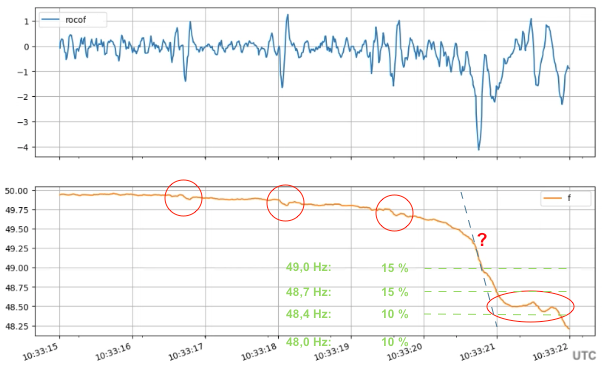
Measuring the “utility” of an explanation is difficult, as it depends on user behavior and outcomes.
Outline Introduction: The “Black Box” problem and why accuracy isn’t enough. Key Concepts: Defining Utility vs. Fidelity and the User-Centric approach. Step-by-Step Guide: A framework for evaluating explanation utility in production environments. Real-World Applications: Healthcare diagnostics and Fintech loan approvals. Common Mistakes: The trap of self-reported satisfaction and confusing “cool” with “useful.” Advanced Tips: A/B…
-
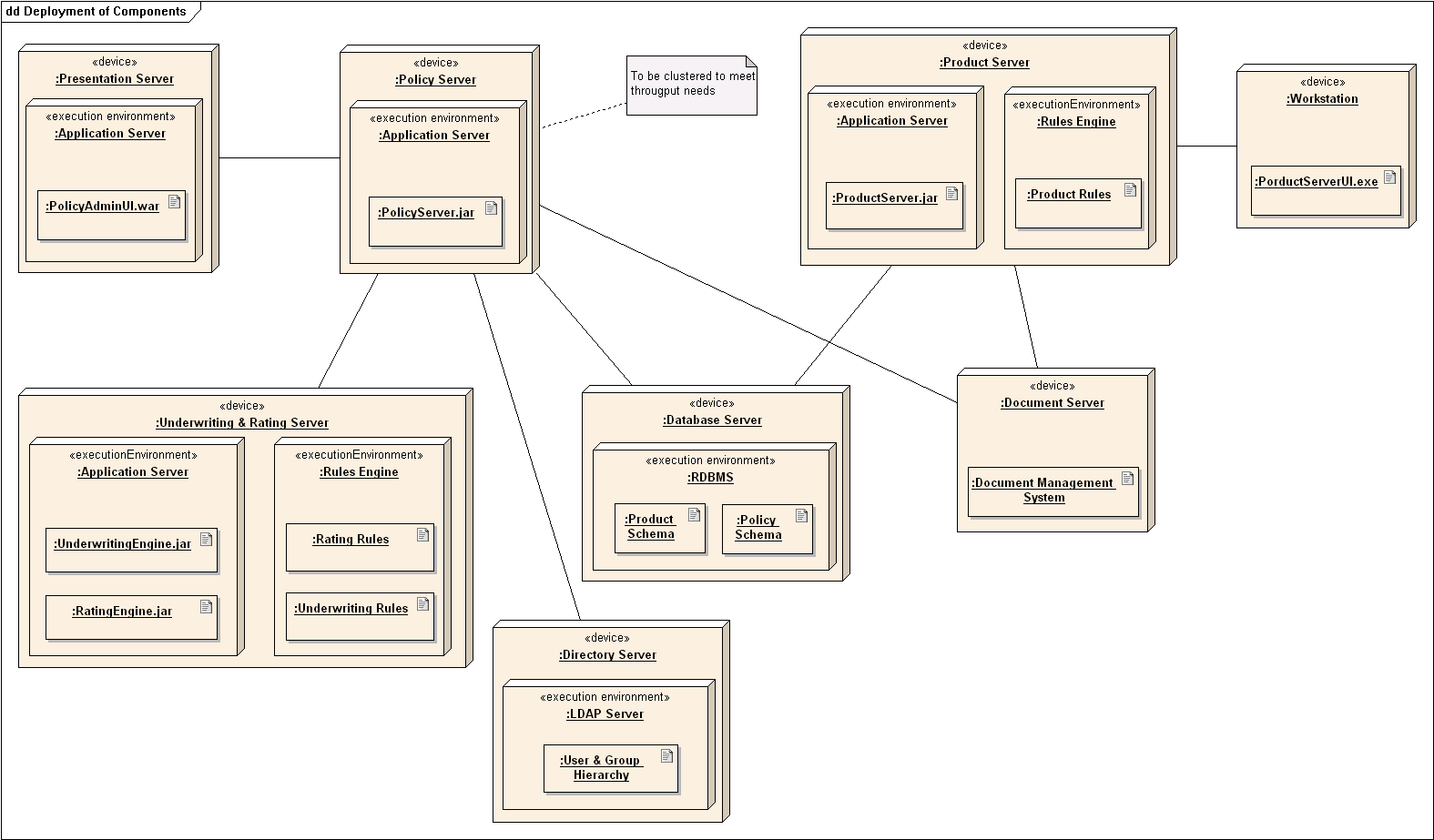
Deploying eXplainable AI (XAI) in healthcare requires balancing diagnostic precision with clinical interpretability.
The Black Box Dilemma: Balancing Diagnostic Precision and Clinical Interpretability in Healthcare AI Introduction Artificial Intelligence has moved from the realm of experimental research to the bedrock of modern clinical workflows. From automated radiology screening to predictive analytics for patient deterioration, the promise of AI is unparalleled. However, as diagnostic algorithms grow in complexity—often utilizing…