
Uncategorized
-

A “black-box” model is often legally indefensible in court, making XAI an essential risk management tool.
The Legal Imperative: Why Black-Box AI is a Liability and How XAI Saves the Day Introduction In the modern corporate landscape, artificial intelligence is no longer a luxury—it is the engine of efficiency. From automated loan approvals to predictive hiring algorithms, machine learning models are making high-stakes decisions every second. However, there is a mounting…
-

Model drift complicates the consistency of explanations, as the logic may evolve alongside new training data.
Outline Introduction: Defining the paradox of living models and the erosion of trust through shifting explanations. Key Concepts: Defining Model Drift (Concept vs. Data) and the mechanics of XAI (Explainable AI). The Core Conflict: Why retraining models forces a fundamental shift in decision-logic. Step-by-Step Strategy: Implementing a lifecycle for tracking explanation consistency. Real-World Applications: Banking…
-

Automated documentation tools help reduce the manual labor involved in meeting regulatory filing deadlines.
The Future of Compliance: How Automated Documentation Tools Eliminate Filing Bottlenecks Introduction For professionals in highly regulated industries—such as finance, healthcare, and engineering—the “compliance season” is often synonymous with burnout. The sheer volume of data, the shifting sands of regulatory requirements, and the unforgiving nature of filing deadlines create a perfect storm of human error…
-
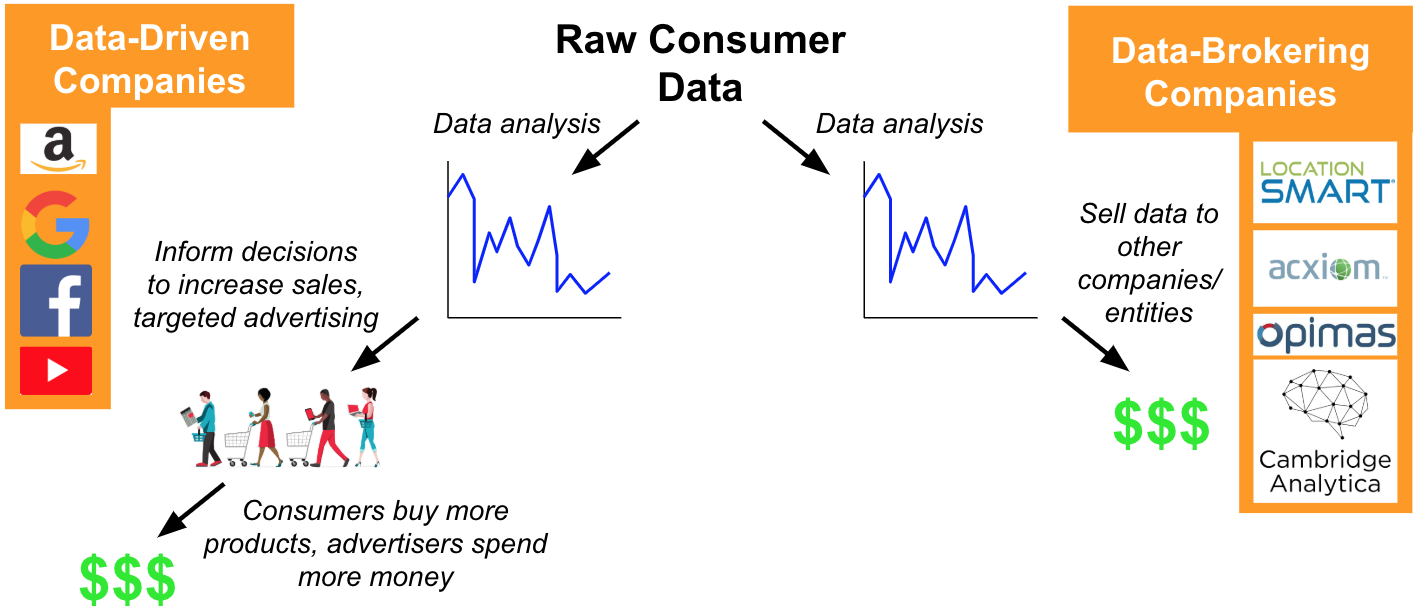
Data privacy regulations restrict the amount of input data that can be exposed during an explanation phase.
Outline Introduction: The conflict between model transparency and data privacy. Key Concepts: Defining “Explanation Phase” and the privacy risks of feature importance. Step-by-Step Guide: Strategies for privacy-preserving model explanations (Differential Privacy, Perturbation, Synthetic Data). Real-World Applications: Healthcare (HIPAA) and Financial Services (GDPR/CCPA). Common Mistakes: Over-sharing input features and failing to sanitize model outputs. Advanced Tips:…
-

The cost of maintaining XAI infrastructure can be prohibitive for smaller firms in regulated sectors.
Outline Introduction: The “Explainability Tax” in regulated industries. Key Concepts: Defining XAI and why infrastructure costs balloon for small firms. Step-by-Step Guide: Implementing a cost-effective XAI framework. Examples: FinTech and Healthcare scenarios. Common Mistakes: Over-engineering and documentation gaps. Advanced Tips: Strategic vendor selection and model distillation. Conclusion: Balancing regulatory compliance with operational agility. The High…
-

Latency concerns arise when XAI modules must compute feature attributions in real-time for high-frequency tasks.
The Latency Challenge: Solving Real-Time XAI for High-Frequency Systems Introduction Artificial Intelligence has moved from the back-office batch processor to the front lines of high-frequency decision-making. Whether it is algorithmic trading, real-time fraud detection, or autonomous vehicle navigation, systems are now required to justify their outputs in milliseconds. This is where Explainable AI (XAI) meets…
-
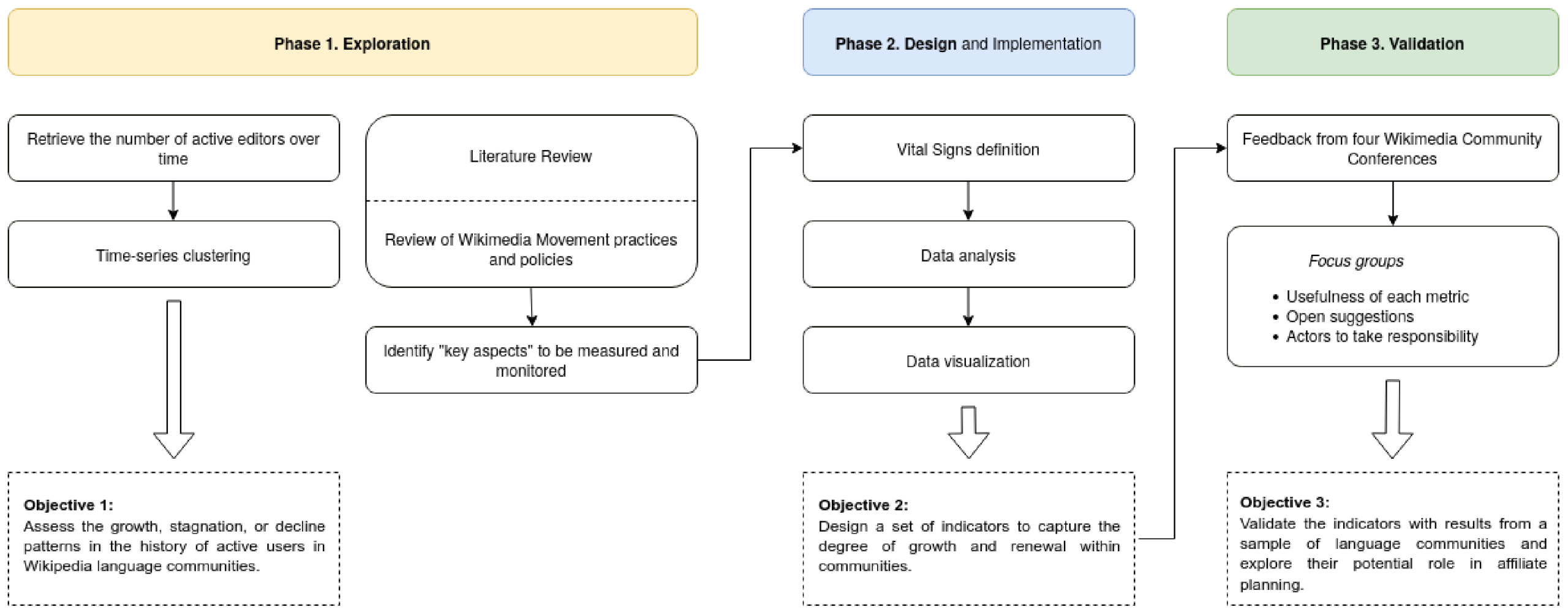
User feedback loops are vital to refine how explanations are presented to non-technical stakeholders.
The Architecture of Clarity: Using Feedback Loops to Bridge the Technical-Non-Technical Divide Introduction In modern business, the ability to translate complex data and technical processes into actionable insights for non-technical stakeholders is a superpower. Yet, most technical professionals—engineers, data scientists, and analysts—often fall into the “Curse of Knowledge.” They assume their audience possesses the same…
-

User-centered design in XAI requires translating raw statistical output into actionable clinical or financial insights.
Bridging the Gap: Turning AI Statistical Output into Actionable Clinical and Financial Insights Introduction Artificial Intelligence is no longer a “black box” experiment; it is a core engine driving high-stakes decisions in hospitals and financial institutions. However, there is a dangerous chasm between what an AI model produces and what a human professional can actually…
-

False confidence can arise if an explanation is overly simplistic, masking underlying model uncertainty.
The Illusion of Clarity: Why Overly Simplistic Explanations Breed False Confidence Introduction We live in an era of summarized intelligence. From executive briefings and “TL;DR” newsletters to algorithmic social media feeds, the pressure to distill complex reality into digestible bites has never been higher. While clarity is a virtue, there is a dangerous trap hidden…
-

The gap between research-grade XAI and production-ready enterprise software remains a significant hurdle.
Bridging the Chasm: Why Explainable AI (XAI) Struggles in the Enterprise Introduction Artificial Intelligence has moved from the laboratory to the boardroom, yet a fundamental disconnect remains. While data scientists celebrate high-performing models in research environments, enterprise leaders are increasingly hesitant to deploy these “black boxes” into mission-critical workflows. This friction point is the gap…