
Uncategorized
-

Subjective user satisfaction is an insufficient metric for evaluating the true utility of an explainable system.
Beyond the Smile: Why User Satisfaction Fails to Measure Explainable AI Utility Introduction For years, the gold standard for evaluating Explainable AI (XAI) systems has been subjective user satisfaction. If a user says they “trust” the model or feels that the explanations are “clear,” developers often declare victory. However, this reliance on self-reported feelings is…
-

Visualizations should highlight salient features without inducing cognitive overload or visual noise.
The Art of Clarity: Designing Data Visualizations That Inform, Not Overwhelm Introduction We live in the age of the dashboard. Every business, app, and report now relies on data visualization to tell a story. However, there is a fundamental disconnect between the amount of data available and our human capacity to process it. When charts…
-

The socio-technical gap exists between the abstract logic of an algorithm and the pragmatic world of human action.
Bridging the Socio-Technical Gap: When Algorithms Meet Human Reality Introduction In the digital age, we operate under the seductive assumption that if we can code it, we can solve it. We build sophisticated algorithms to optimize hiring, predict criminal recidivism, and curate the news we consume. Yet, time and again, these systems fail—not because the…
-
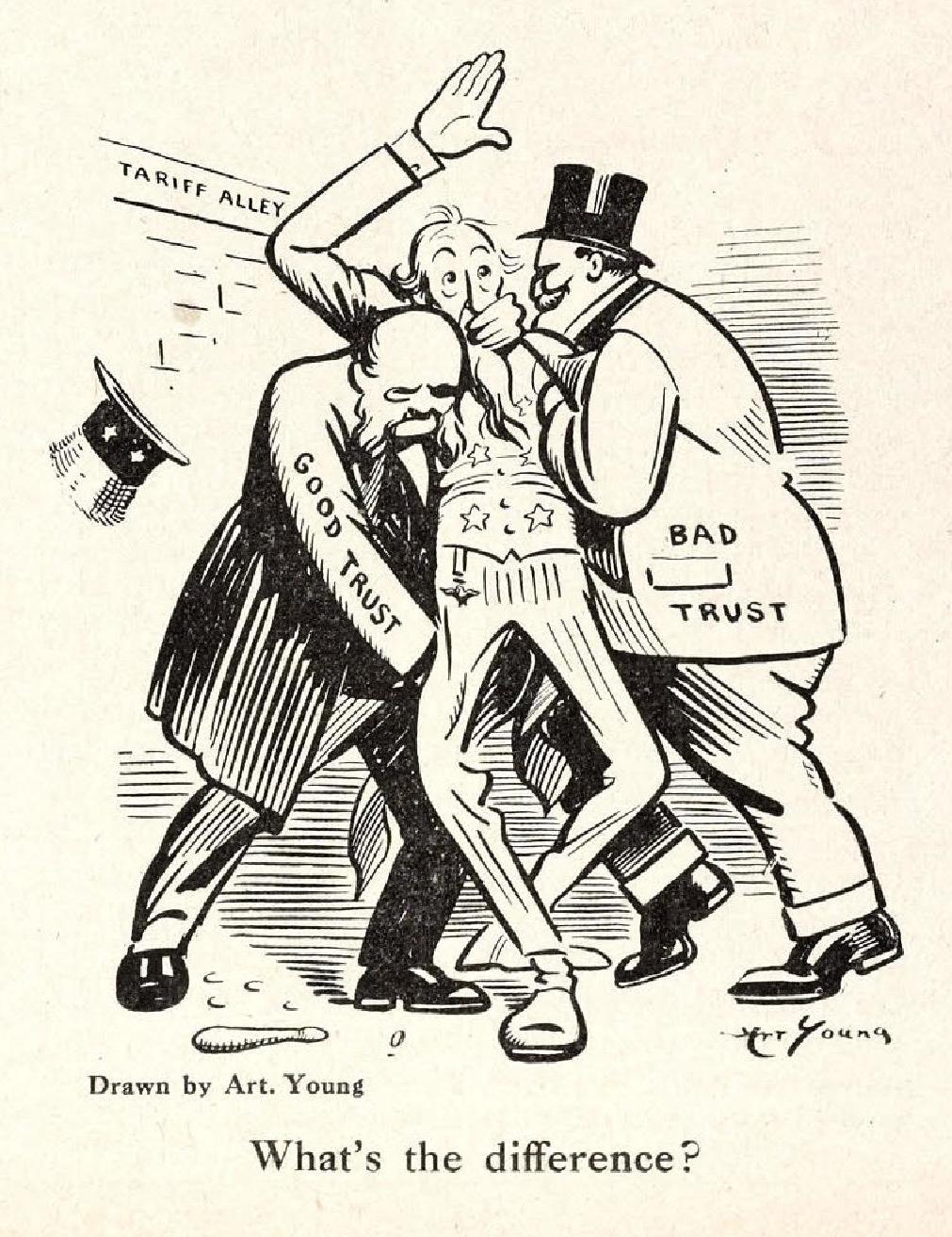
Trust calibration is essential to prevent both skepticism toward high-performing models and blind faith in biased ones.
Contents 1. Introduction: Define the “trust paradox” in the era of AI. 2. Key Concepts: Defining Trust Calibration, Under-trust, and Over-trust. 3. Step-by-Step Guide: Establishing a framework for evaluating AI outputs. 4. Case Studies: Real-world failures in healthcare and finance. 5. Common Mistakes: Why cognitive biases (automation bias, negativity bias) ruin decision-making. 6. Advanced Tips:…
-

Developers often design for clarity, while users require transparency regarding model uncertainty and limitations.
Outline Introduction: The divergence between developer clarity (UX/UI) and user transparency (trust/safety). Key Concepts: Defining Model Uncertainty (Aleatoric vs. Epistemic) and the “Black Box” problem. Step-by-Step Guide: How to implement uncertainty quantification in product development. Examples: Healthcare diagnostics and AI-driven financial advising. Common Mistakes: Overconfidence bias and deceptive design patterns. Advanced Tips: Human-in-the-loop systems and…
-
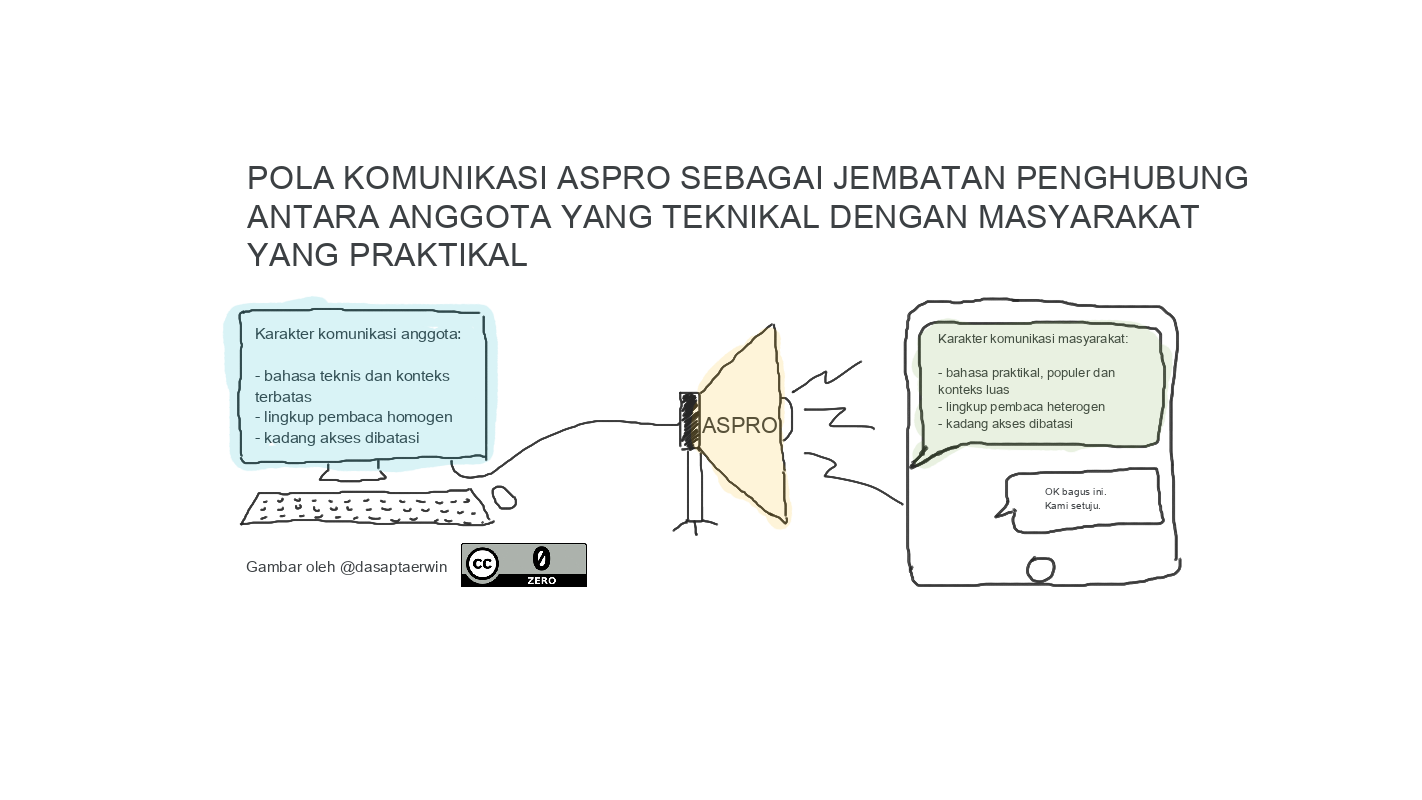
Stakeholders approach model explanations with varying levels of domain expertise and technical literacy.
Contents 1. Main Title: Bridging the Knowledge Gap: Mastering Stakeholder Communication in Technical Projects 2. Introduction: The hidden cost of technical misalignment and why “translating” model outputs is a professional necessity. 3. Key Concepts: Understanding the “Expertise Spectrum”—from technical stakeholders (data scientists/engineers) to non-technical stakeholders (executives/domain experts). 4. Step-by-Step Guide: A practical framework for assessing…
-

Interactive explanations allow users to probe model logic, fostering a more nuanced mental model of the AI.
Beyond the Black Box: How Interactive Explanations Build Human-AI Trust Introduction For years, the adoption of Artificial Intelligence has been hampered by the “black box” problem. We feed data into a system, and it spits out a result, but the reasoning remains opaque. For professionals and casual users alike, this lack of transparency breeds skepticism.…
-

Human-centric evaluation prioritizes the end-user’s cognitive needs over purely mathematical accuracy metrics.
### Article Outline 1. Introduction: The “Metric Trap”—why high accuracy doesn’t always equal a high-quality product. 2. Key Concepts: Defining Human-Centric Evaluation vs. Automated Metrics (BLEU, ROUGE, F1, etc.). 3. Step-by-Step Guide: How to build a human-in-the-loop evaluation framework. 4. Examples: Healthcare diagnostics and personalized recommendation engines. 5. Common Mistakes: Over-reliance on batch testing and…
-
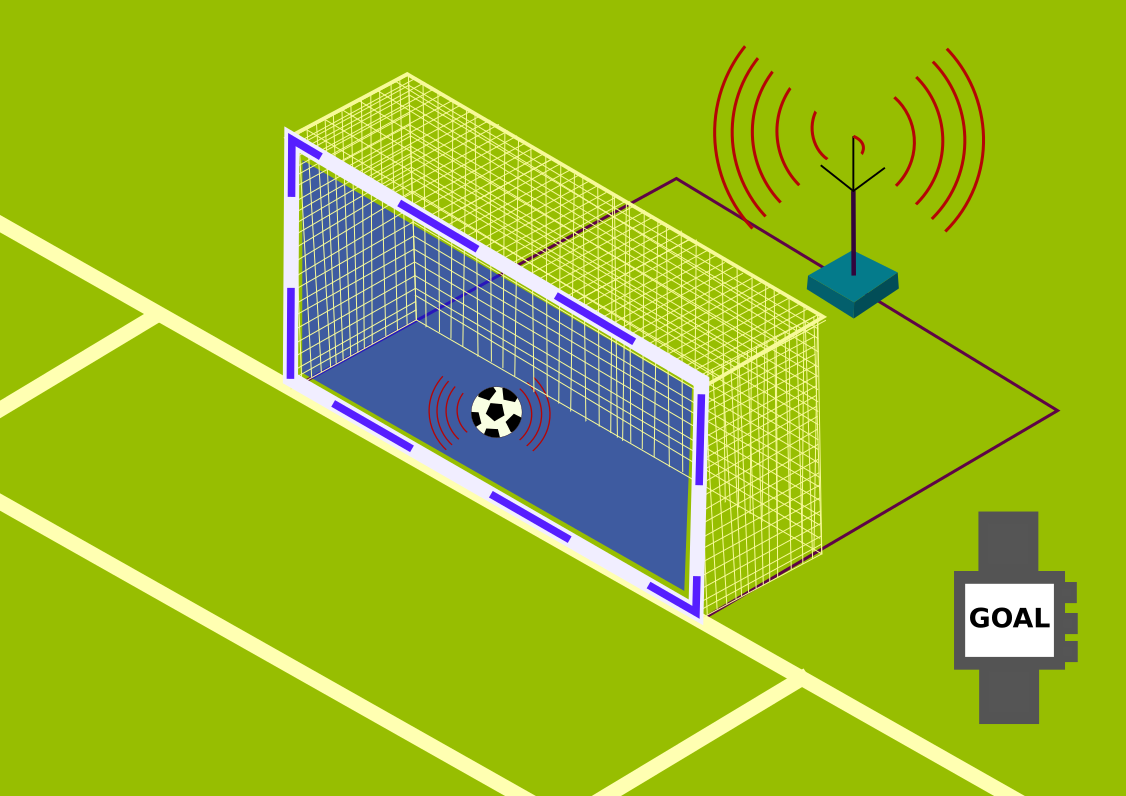
Objective task performance must be measured alongside user confidence to identify misplaced trust.
The Calibration Gap: Why Measuring Task Performance and User Confidence is Critical Introduction In the modern digital workplace, we often fall into the trap of assuming that if a user feels confident in their work, they are performing well. However, this assumption is dangerous. The misalignment between actual output and self-perception creates a phenomenon known…
-

—————.
Please provide the specific topic you would like me to cover! Once you provide the subject, I will generate the outline and then proceed with the high-quality, 1,200–2,000 word article according to your exact specifications. * ### Example of how I will handle your request (Outline): Topic: [Example: Mastering Deep Work in a Distracted World]…