
Uncategorized
-

Ethical AI deployment requires that explanations are accessible and inclusive of diverse user backgrounds.
Contents 1. Introduction: Defining the “Black Box” problem and why AI accessibility is a civil rights issue. 2. Key Concepts: Defining XAI (Explainable AI) and the difference between technical transparency and human-centric interpretability. 3. Step-by-Step Guide: Practical framework for developing inclusive explanation interfaces. 4. Examples: Contrasting “Finance/Loan Approval” and “Healthcare/Diagnostic” scenarios. 5. Common Mistakes: The…
-
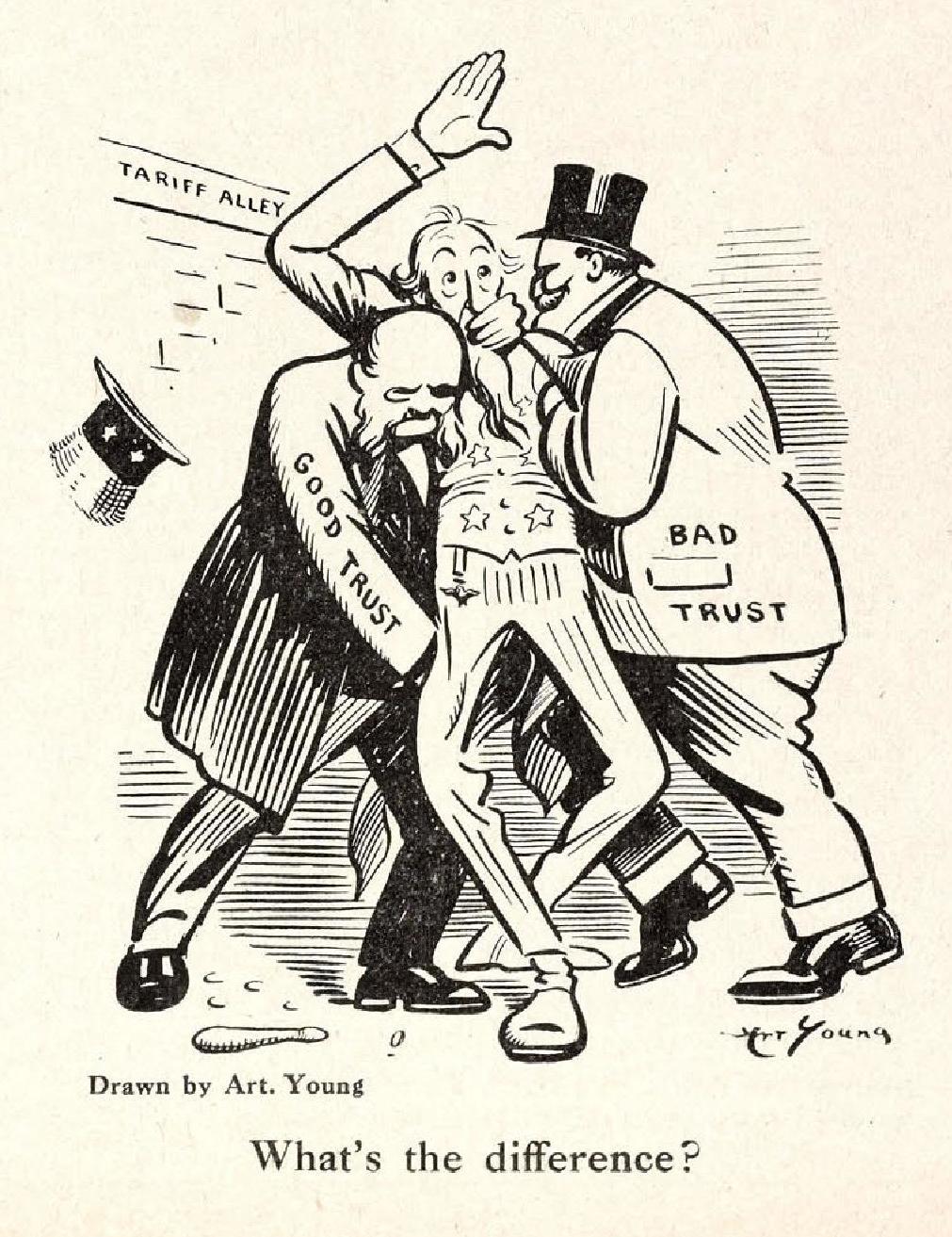
Trust calibration is essential to prevent both skepticism toward high-performing models and blind faith in biased ones.
Contents 1. Introduction: Define the “trust paradox” in AI—the tension between over-reliance and unwarranted rejection. 2. Key Concepts: Define trust calibration and why it is a dynamic process rather than a static state. 3. Step-by-Step Guide: A practical framework for evaluating model performance and setting appropriate confidence thresholds. 4. Examples/Case Studies: Contrast high-stakes environments (medical…
-

Personalized explanations that adapt to user skill levels improve the efficacy ofhuman-AI collaboration.
Outline Introduction: The “Expert-Novice Gap” in AI interaction and why one-size-fits-all prompts fail. Key Concepts: Defining Adaptive Explanations—Cognitive Load Theory meets Large Language Models. Step-by-Step Guide: Crafting prompts that force the AI to assess and adjust to user expertise. Examples: From medical triage for patients vs. doctors to coding assistance for beginners vs. seniors. Common…
-
Social pressure and organizational culture significantly influence whether users question model outputs.
Contents 1. Introduction: The “Automation Bias” trap in the workplace. 2. Key Concepts: Understanding the intersection of social conformity (Asch effect) and organizational psychological safety. 3. Step-by-Step Guide: How to build a “Challenge-First” culture for AI adoption. 4. Real-World Application: Case studies on why blind reliance leads to institutional errors. 5. Common Mistakes: The pitfalls…
-

Human-in-the-loop systems require explanations that are actionable within the timeframe of the decision.
Outline Introduction: Defining the “Explanation Gap” in human-in-the-loop (HITL) systems. Key Concepts: Defining “Actionability” and “Temporal Constraints” in decision support. Step-by-Step Guide: Framework for designing time-sensitive explanations. Examples: Radiologists with AI tools and high-frequency traders. Common Mistakes: Overloading users and providing post-hoc rationalizations. Advanced Tips: Progressive disclosure and adaptive feedback loops. Conclusion: Bridging the gap…
-

Transparency reports provide institutional context but often fail to address the specific needs of individual users.
The Transparency Paradox: Why Institutional Reports Fail Users and How to Bridge the Gap Introduction Every year, major technology companies and financial institutions release glossy, meticulously curated transparency reports. These documents are designed to signal integrity, detailing how many government data requests a company received, how many content moderation actions were taken, or how corporate…
-

Explanation quality should be assessed based on its ability to support correct human error detection.
Contents 1. Introduction: Redefining “Explanation Quality”—shifting from “convincing” to “corrective.” 2. Key Concepts: The difference between Persuasive Explanations and Diagnostic Explanations. 3. The Framework for Error Detection: How humans process information to identify system failures. 4. Step-by-Step Guide: Implementing an “Error-Detection First” design protocol. 5. Real-World Applications: Healthcare diagnostics, AI-assisted coding, and financial auditing. 6.…
-
Longitudinal studies are required to understand how trust evolves after repeated interactions with an AI.
Outline Introduction: The “First Date” Fallacy in AI adoption. Why single-session testing isn’t enough. Key Concepts: Defining longitudinal trust vs. static trust. The role of reliability, predictability, and emotional calibration. The Lifecycle of AI Trust: The phases of engagement—Discovery, Calibration, Habituation, and Dependency. Step-by-Step Guide: Implementing longitudinal tracking for AI products. Real-World Applications: Healthcare diagnostics…
-
The “simplicity versus fidelity” trade-off remains the central tension in designing human-readable explanations.
The Simplicity Versus Fidelity Trade-off: Mastering the Art of Explainability Introduction In the age of information overload, the ability to translate complex data, algorithmic decisions, or intricate technical systems into human-readable insights is a competitive superpower. However, practitioners often run headfirst into a wall: the tension between simplicity—making information easy to digest—and fidelity—retaining the accuracy…
-
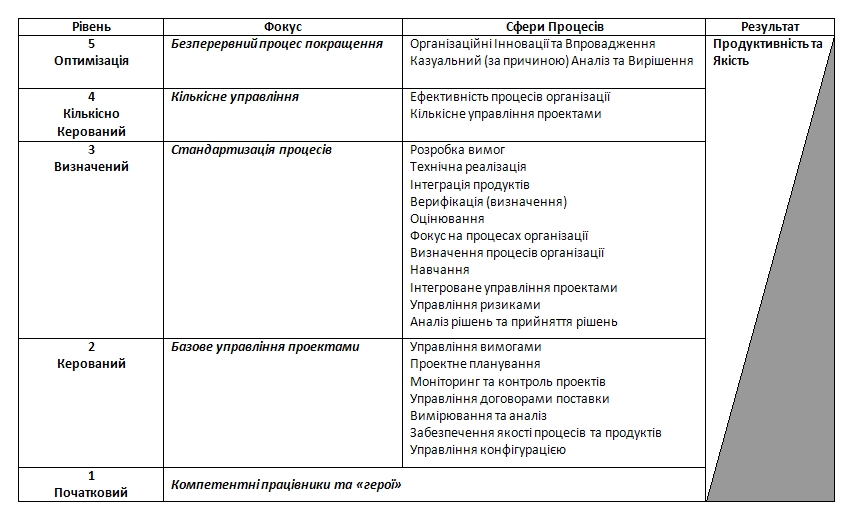
Evaluation frameworks must account for the power dynamics between the system provider and the end-user.
Outline Introduction: Defining the “Asymmetry Problem” in technology and service evaluation. Key Concepts: Understanding Institutional Power vs. User Agency and the “Evaluation Gap.” Step-by-Step Guide: Implementing power-aware evaluation frameworks. Examples: Case studies in Algorithmic Management and EdTech. Common Mistakes: The pitfalls of “User-Centricity” that ignore systemic power. Advanced Tips: Incorporating participatory design and adversarial testing.…