Inclusive Design: Why Prototyping With Stakeholders is Non-Negotiable
Introduction
In the world of product development, the “build it and they will come” mentality is a relic of the past. Today, the most successful products are those that solve real problems for diverse groups of people. However, many teams still fall into the trap of designing for an “average user”—a statistical phantom that rarely exists. When accessibility and inclusivity are treated as final-stage checkboxes rather than foundational elements, the result is often a product that excludes, alienates, or fails to perform for significant segments of your audience.
Inclusive design is not about creating one specific product for every person; it is about creating a diversity of ways to participate so that everyone has a sense of belonging. The secret to achieving this lies in the timing: by involving stakeholders—especially those with lived experience of the challenges you are solving—from the earliest prototyping stages, you stop guessing and start building with purpose.
Key Concepts
Inclusive design is often conflated with accessibility, but there is a critical distinction. Accessibility is an attribute of a product—it describes whether a person with a disability can use it. Inclusive design is a methodology. It is a process that considers the full range of human diversity, including ability, language, culture, gender, age, and economic status.
When we talk about “stakeholders” in this context, we aren’t just referring to internal project managers or clients. We are referring to representative users—individuals who bring diverse perspectives to the table. By involving these users during the prototyping phase (when the cost of change is low), you gain high-fidelity insights that no amount of internal brainstorming could ever produce. This is the shift from “designing for” to “designing with.”
Step-by-Step Guide: Integrating Stakeholders into Prototyping
Map Your Diversity Spectrum: Before you draw a single wireframe, identify the gaps in your team’s lived experience. Who are the people most marginalized by your current or proposed product? If you are building a financial app, include people with varying levels of financial literacy or those who rely on screen readers.
Recruit for Insight, Not Just Feedback: Reach out to advocacy groups, community centers, or research panels. Recruit stakeholders who can act as co-designers, not just test subjects. Their role is to challenge your assumptions before you commit to a specific design direction.
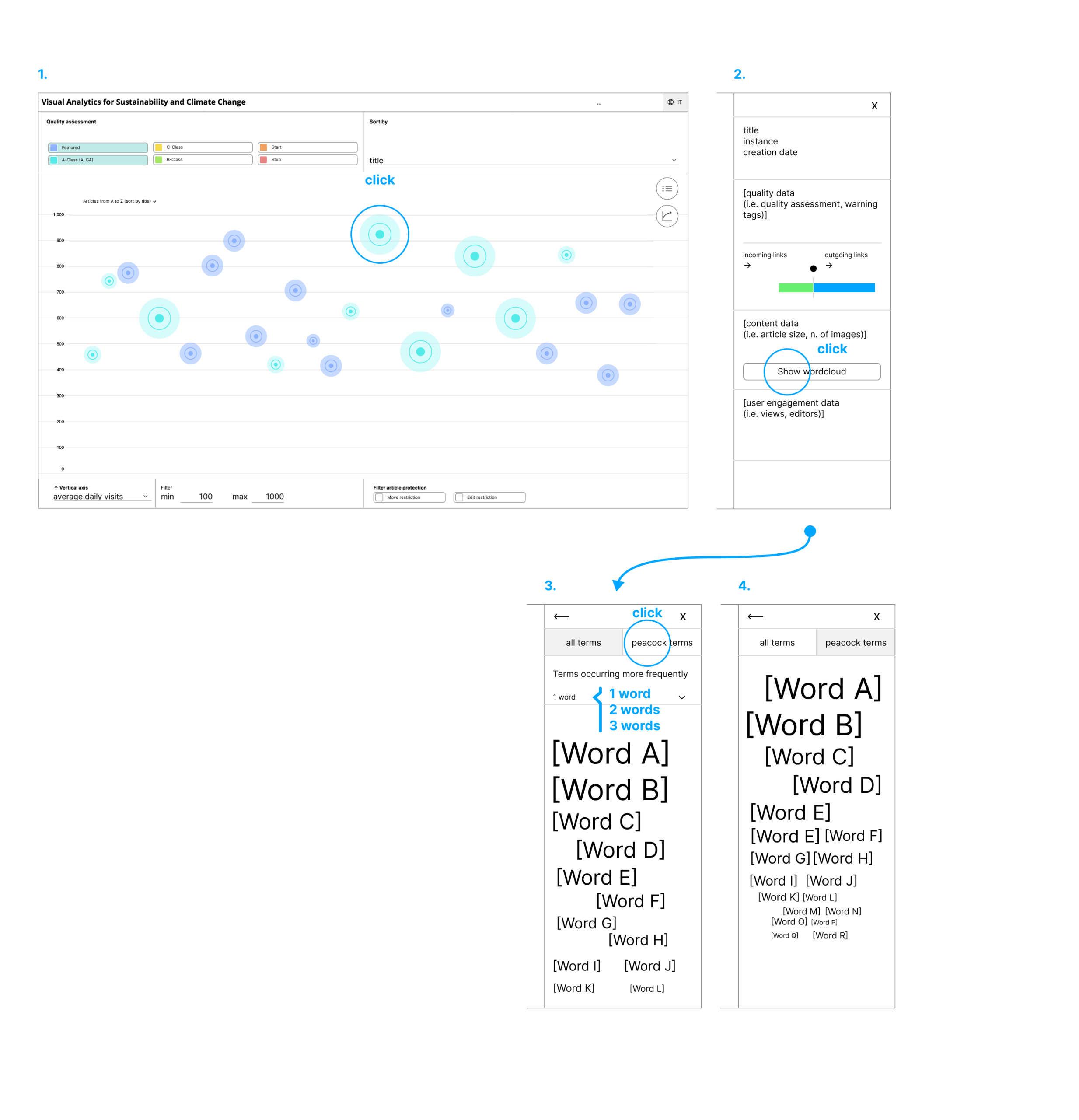
Utilize Low-Fidelity Prototyping: Start with paper prototypes or basic, text-heavy wireframes. When a design is too polished, stakeholders are often hesitant to offer harsh, necessary feedback. Low-fidelity models invite collaboration because they clearly communicate that the design is still malleable.
Facilitate Structured Co-Design Workshops: Bring stakeholders into the creative process. Instead of asking “Does this work for you?”, ask “How would you approach this task?” or “What barriers do you see in this flow?” Use tools like journey mapping to visualize their experience together.
Iterate in Rapid Cycles: Document the feedback, prioritize the changes that resolve exclusion, and update your prototype immediately. Show the stakeholders that their input changed the trajectory of the product. This builds trust and ensures the next round of testing is even more productive.
Examples and Case Studies
Consider the evolution of video conferencing software. In the early days, accessibility was secondary. However, by engaging with deaf and hard-of-hearing stakeholders early in the prototyping of closed-captioning features, platforms were able to move beyond basic transcription to include features like speaker identification and adjustable font sizes for sign language interpretation.
Another powerful example is found in the banking sector. Several global banks recently redesigned their mobile apps to be more inclusive for the elderly and those with cognitive impairments. By inviting these stakeholders into the prototyping phase, the design teams discovered that complex, “minimalist” navigation menus—while aesthetically trendy—were confusing. They shifted toward high-contrast, text-labeled iconography, which not only helped the target group but resulted in a 30% increase in ease-of-use scores across all demographics.
Common Mistakes
Tokenism: Inviting one person from a marginalized group and expecting them to speak for an entire demographic. Recognize that individual experiences vary significantly.
Waiting for the “Finished” Product: If you only involve stakeholders for UAT (User Acceptance Testing), you have left it too late. At that point, the architecture is set, and the only “inclusive” changes you can make are superficial.
Ignoring Intersectionality: Assuming that a user belongs to only one category of need. A user may have low vision *and* low digital literacy. Designing for only one barrier often neglects the nuanced reality of human life.
The “Hero” Complex: Thinking that the design team’s role is to “solve” the users’ problems. Your role is to build a tool that empowers them to solve their own problems. Listen more than you speak.
Advanced Tips
To truly mature your inclusive design process, you must move beyond the prototype and into the culture of the organization. Start by documenting your “inclusive design principles” and making them visible in your workspace. When these principles are a documented part of your internal design system, they become the default rather than an optional add-on.
Furthermore, look into “participatory design research.” This involves compensating your stakeholders as consultants. When you treat representative users as essential partners in the development process, you gain access to an honest, rigorous critique that keeps your project aligned with human reality. Always strive to measure success through qualitative empathy metrics alongside quantitative data like load times and click-through rates.
Inclusive design is not a charitable act; it is a competitive advantage. It forces your team to strip away the assumptions that lead to bloated, confusing, and exclusive products, resulting in a cleaner, more intuitive user experience for everyone.
Conclusion
Designing with stakeholders from the earliest stages of prototyping is the single most effective way to eliminate friction and build products that resonate with a global audience. While it requires a greater initial investment of time and coordination, the long-term payoff is a more resilient product that scales effectively across diverse user bases.
By moving from a process of “designing for” to “designing with,” you transform your development cycle from a guessing game into a collaborative effort. The goal is to build an environment where the technology meets the user halfway. Start small, identify your blind spots, and invite those who face them every day to help you build a better, more inclusive future for your product.