
Uncategorized
-
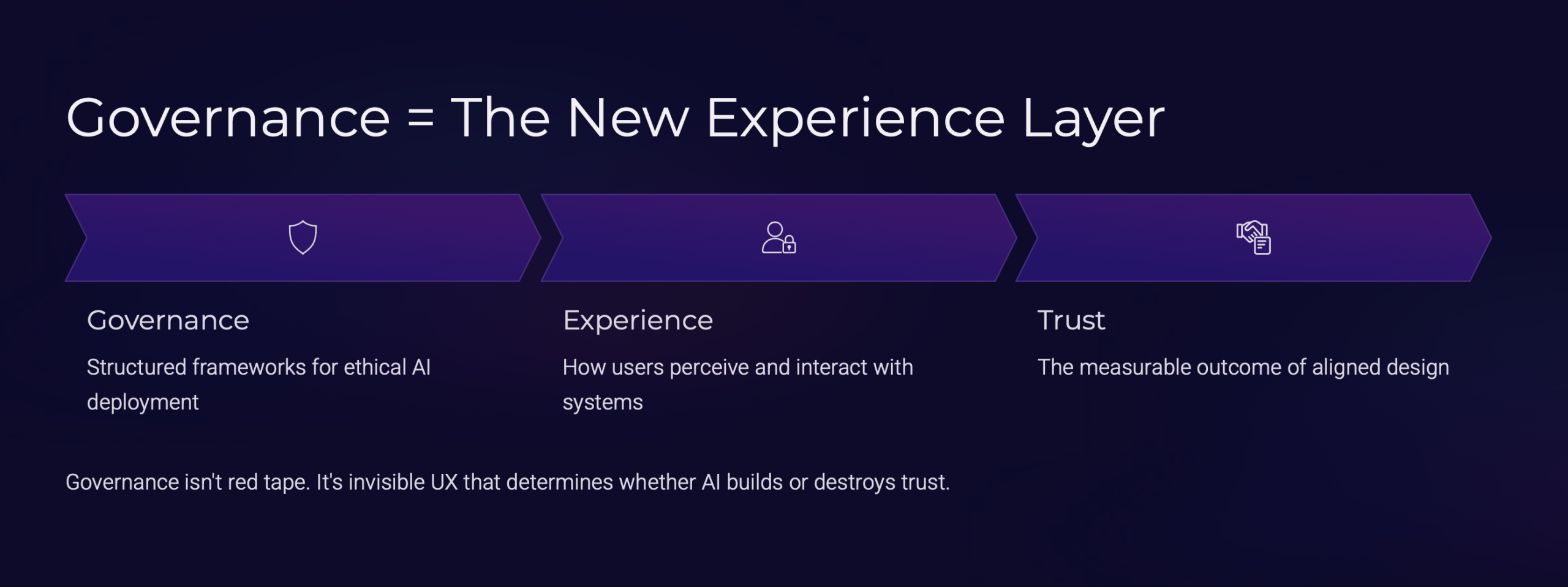
Governance structures must ensure that human-in-the-loop protocols are documented for high-stakes AI interactions.
The Accountability Mandate: Why Human-in-the-Loop Protocols Must Be Documented Introduction As artificial intelligence systems increasingly move from experimental sandboxes to the core of critical infrastructure, the question of autonomy has shifted from “can we automate this?” to “should we?” In high-stakes environments—such as medical diagnostics, judicial sentencing, financial lending, and autonomous defense systems—the blind trust…
-

Whistleblower mechanisms are essential for reporting unethical or opaque AI practices within an enterprise.
The AI Conscience: Why Whistleblower Mechanisms are Critical for Ethical Innovation Introduction Artificial Intelligence is no longer a peripheral experiment; it is the engine driving modern enterprise decision-making. From automated hiring algorithms and credit scoring models to generative content tools, AI systems possess the power to amplify efficiency—and exponentially scale bias, discrimination, and security vulnerabilities.…
-

Algorithmic accountability involves assigning clear roles for the oversight and maintenance of AI systems.
The Governance Gap: Why Algorithmic Accountability is Non-Negotiable Introduction We live in an era where algorithms dictate everything from the credit scores we receive to the news we consume and the medical treatments we are prescribed. Yet, as these systems grow in complexity, the “black box” nature of artificial intelligence often leaves organizations vulnerable to…
-

Employee training programs must emphasize the legal consequences of non-compliant AIimplementation.
Beyond the Hype: Why Employee Training Must Prioritize AI Legal Compliance Introduction The race to integrate artificial intelligence into daily business operations has moved from a competitive advantage to a matter of corporate survival. Organizations are rushing to deploy AI tools for everything from automated customer service to predictive analytics in hiring. However, this speed…
-

Legal compliance requires that model outputs be traceable to specific input data and weighting mechanisms.
The Architecture of Accountability: Ensuring Traceability in AI Model Outputs Introduction The era of “black box” artificial intelligence is coming to an abrupt end. As regulatory bodies like the EU, through the AI Act, and various domestic agencies begin mandating transparency, the ability to explain why an AI made a specific decision has shifted from…
-

Ethical governance involves establishing clear internal policies for the responsible use of generative AI.
Contents 1. Main Title: The Architecture of Integrity: Building Ethical Governance Frameworks for Generative AI 2. Introduction: Why the “Wild West” era of AI adoption is ending and the era of governance is beginning. 3. Key Concepts: Defining AI Governance, AI Literacy, and the “Human-in-the-Loop” necessity. 4. Step-by-Step Guide: Establishing a functional policy from risk…
-

Explainability serves as the primary evidence during regulatory audits to demonstrate system reliability.
### Article Outline 1. Introduction: The paradigm shift from “black-box” AI to auditable systems. Why regulators now demand explainability as a baseline requirement for reliability. 2. Key Concepts: Defining Explainable AI (XAI), the “Right to Explanation” (GDPR), and the relationship between interpretability and system reliability. 3. Step-by-Step Guide: Implementing an explainability framework for audits (Data…
-

Organizations must maintain detailed technical documentation to prove the logic behind automated decision-making.
Outline Introduction: The shift from “black box” algorithms to explainable AI (XAI) and the legal/ethical necessity of documentation. Key Concepts: Defining Automated Decision-Making (ADM), algorithmic bias, and the “Right to Explanation” under regulations like GDPR. Step-by-Step Guide: A lifecycle approach to documenting logic, from data lineage to model training and human-in-the-loop triggers. Examples and Case…
-

Cross-border AI deployments require navigating a fragmented landscape of international data regulations.
Outline Introduction: The reality of borderless AI vs. bordered data laws. Key Concepts: Data sovereignty, localized processing, and the “Brussels Effect.” Step-by-Step Guide: A framework for cross-border compliance (Audit, Data Mapping, Architecture, Contractual). Case Studies: Comparing the EU’s AI Act/GDPR approach with localized models in markets like India or China. Common Mistakes: Over-reliance on standard…
-
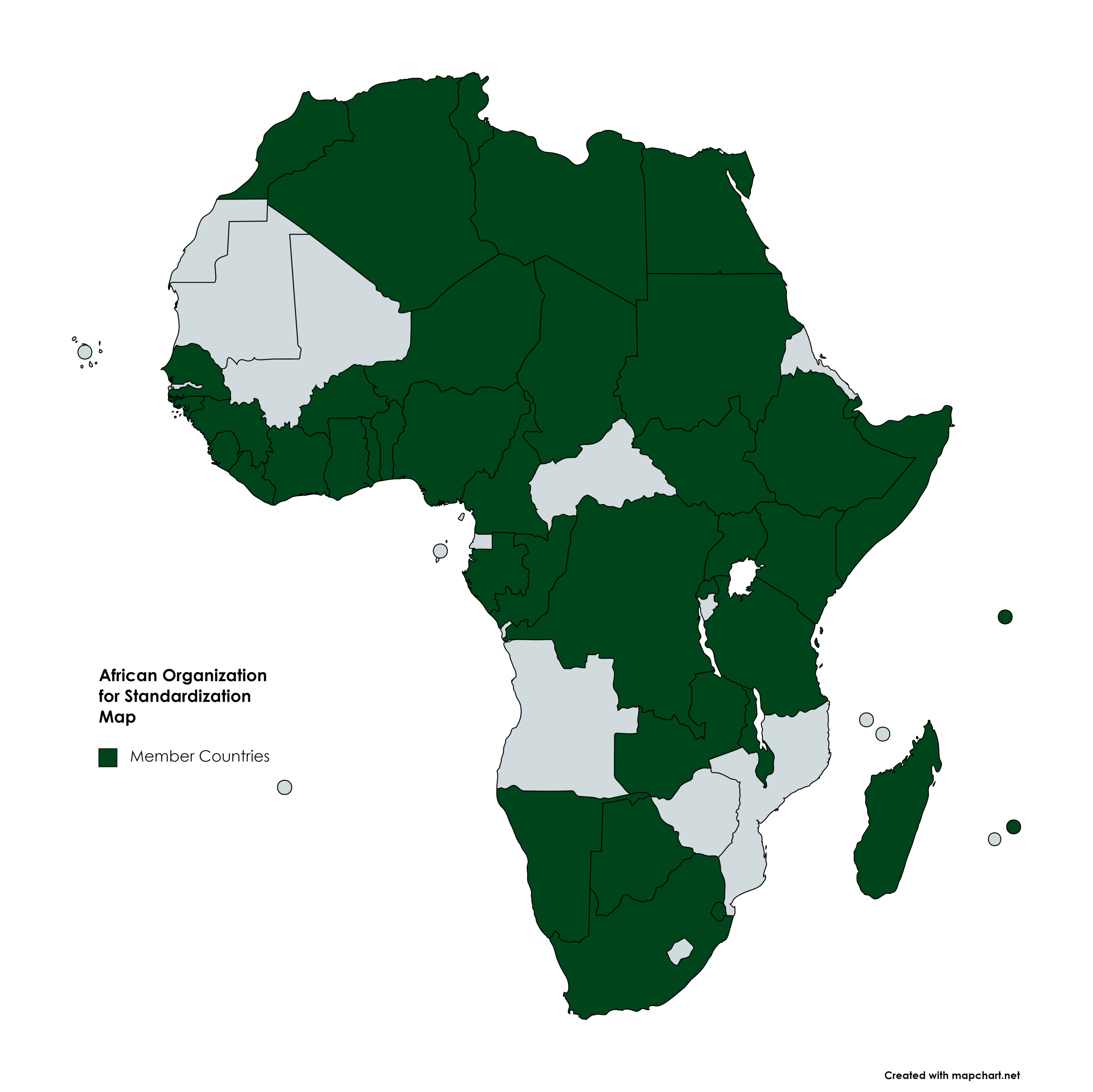
Standardized reporting templates assist organizations in fulfilling transparency obligations across jurisdictions.
Outline Introduction: The regulatory fragmentation challenge in modern business. Key Concepts: Defining standardized reporting, interoperability, and the “collect once, report many” principle. Step-by-Step Guide: How to implement a standardized reporting framework within an enterprise. Real-World Applications: Sustainability reporting (CSRD/ISSB) and financial compliance. Common Mistakes: Over-customization, poor data lineage, and manual entry errors. Advanced Tips: Utilizing…