The Accountability Mandate: Why Human-in-the-Loop Protocols Must Be Documented
Introduction
As artificial intelligence systems increasingly move from experimental sandboxes to the core of critical infrastructure, the question of autonomy has shifted from “can we automate this?” to “should we?” In high-stakes environments—such as medical diagnostics, judicial sentencing, financial lending, and autonomous defense systems—the blind trust of algorithmic output is a liability. The solution lies in the robust implementation and rigorous documentation of Human-in-the-Loop (HITL) protocols.
When an AI makes a life-altering decision without human oversight, accountability evaporates. If a system fails, we cannot audit a “black box” neural network in the same way we audit a human process. Governance structures are no longer optional accessories; they are the bedrock of safe, ethical, and legal AI deployment. By formally documenting how, when, and why humans intervene in AI processes, organizations move from reactive damage control to proactive risk management.
Key Concepts
At its core, Human-in-the-Loop (HITL) refers to an interaction model where AI and humans work in concert. The AI processes data and suggests an action or prediction, but a human must approve, reject, or modify that action before it is executed.
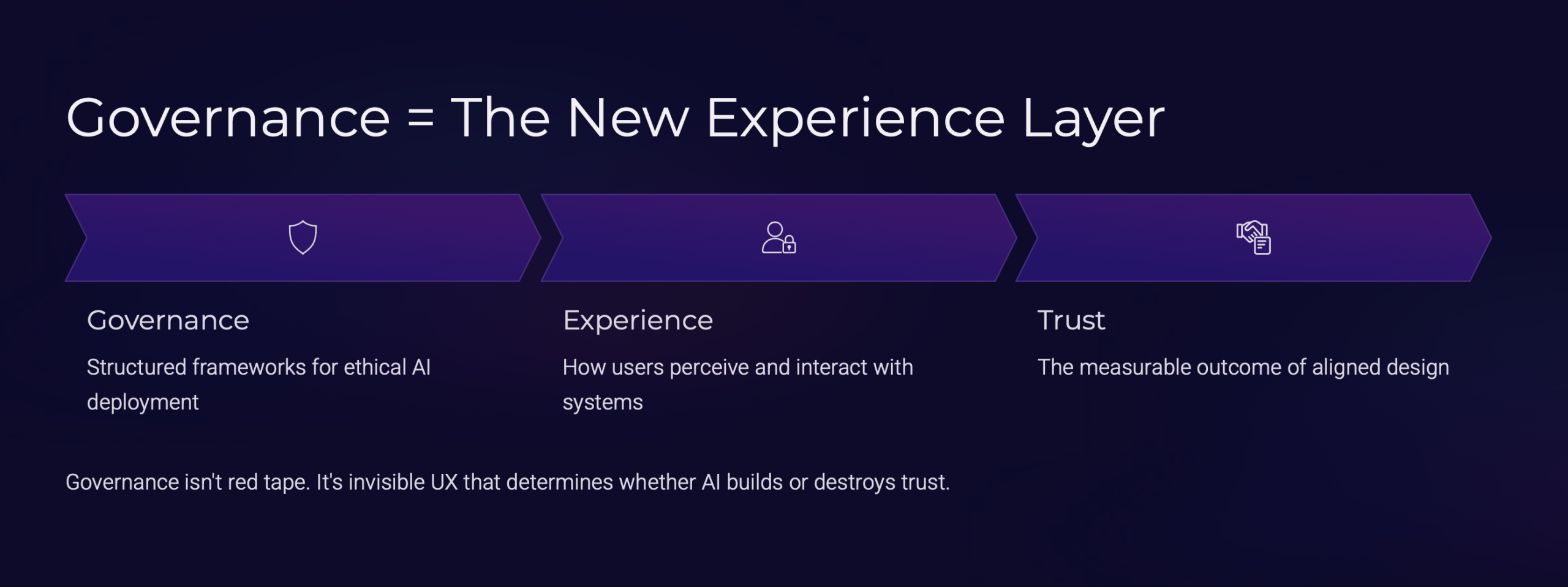
Governance frameworks are the internal policies and procedures that define the boundaries of this interaction. To be effective, these frameworks must address three critical pillars:
- Authority: Defining exactly which decisions require human sign-off and who holds the legal responsibility if things go wrong.
- Process: The standardized workflow that ensures the human has the necessary context to make an informed intervention.
- Documentation: The forensic trail that captures the AI’s input, the human’s rationale for the final decision, and the time-stamped interaction between the two.
Without documentation, a HITL protocol is merely a suggestion. Documentation transforms a process into an auditable asset, protecting both the organization from litigation and the human operator from undue pressure.
Step-by-Step Guide: Implementing and Documenting HITL Protocols
- Conduct an Impact Assessment: Before deploying an AI model, categorize your use cases by risk. High-stakes interactions—those involving physical safety, legal rights, or significant financial loss—must be strictly gated with HITL requirements.
- Define the Decision Thresholds: Establish clear metrics for when a human must intervene. For example, if an AI model’s confidence score falls below 85%, the system must automatically escalate the decision to a qualified human reviewer.
- Build the Audit Log Interface: Design your internal software to force documentation at the point of intervention. A “Yes/No” button is insufficient. Require a short, standardized text field or selection menu where the operator justifies their override or confirmation.
- Standardize Human Training: Documentation is worthless if the human doesn’t understand the AI’s limitations. Create a formal training curriculum that covers “automation bias”—the tendency to trust the machine over one’s own judgment—and mandate periodic recertification.
- Implement Version Control for Protocols: HITL protocols should evolve as the AI models improve. Use a version control system (like a policy management portal) to ensure that auditors can see which version of the protocol was active at the time of any specific historical decision.
Examples and Case Studies
Healthcare Diagnostics: Consider an AI system designed to flag early-stage tumors in radiological scans. A robust HITL protocol requires that the AI does not issue a diagnosis to the patient. Instead, it highlights suspicious areas for the radiologist. The governance structure dictates that the radiologist must sign off on the report. The documentation includes both the AI’s specific confidence heatmaps and the radiologist’s notes on why they agreed or disagreed with the AI’s finding. This creates a dual-layer of accountability.
Financial Lending: When an AI evaluates a loan application, it may flag an applicant as “high risk.” A HITL governance structure ensures that a loan officer reviews the AI’s reasoning. If the officer approves the loan despite the AI’s risk flag, the internal portal requires them to document the mitigating factors, such as “applicant has secondary income stream not captured by primary data model.” This documentation serves as a critical defense during regulatory compliance audits.
Common Mistakes
- The “Rubber Stamp” Problem: This occurs when humans are required to click “Accept” on every AI decision without the time or training to review them. This is not HITL; it is human-enabled automation that creates a false sense of security.
- Lack of Granular Logging: Recording that a human “approved” a decision is insufficient. You must log the state of the AI model at that time, the version of the data, and the human’s rationale.
- Failure to Update Protocols: As AI models get better, the thresholds for human intervention should change. Governance frameworks often become stale, causing human reviewers to become bottlenecks for routine, highly accurate AI decisions, leading to frustration and disengagement.
- Over-reliance on Automated Logs: Relying solely on system-generated logs without human-written narrative context misses the “why.” Machines can record the data, but humans must document the intent behind the decision.
Advanced Tips
To truly mature your HITL governance, shift toward Human-in-the-Loop-Testing (HITLT). In this model, you don’t just rely on human intervention during live operations; you periodically inject “synthetic errors” into the AI’s data stream during testing phases to observe how human operators react. This prepares them for the reality of model drift or data poisoning.
“Documentation is the bridge between AI efficiency and human ethics. If the machine cannot explain itself, the human must explain the machine.”
Additionally, consider the role of Explainable AI (XAI). If the AI provides its own rationale for a decision—such as highlighting the specific variables that led to a “deny” recommendation—the human reviewer can spend less time guessing why the AI flagged the case and more time validating whether those variables are relevant in the specific real-world context.
Conclusion
Governance structures that mandate documented HITL protocols are the only viable path forward in an era of rapid AI adoption. By formalizing the human role, organizations move beyond the binary of “total autonomy” versus “total manual labor.” Instead, they cultivate a hybrid environment where human judgment provides the moral and ethical oversight that algorithms lack.
The burden of documentation may feel like an administrative hurdle, but it is actually the most powerful tool for organizational defense and continuous improvement. When every high-stakes interaction is tracked, you create a feedback loop that identifies when the AI is failing, when the humans are suffering from fatigue, and where your governance protocols need to be tightened. Invest in these frameworks today, and you will secure the trust of your stakeholders and the safety of your systems for years to come.
Further Reading