
Uncategorized

April 29, 2026
Science, Uncategorized
Digital religious practice influences the broader digital ecosystem by prioritizing communal well-being over individual data extraction.
Digital Faith: How Communal Tech Models are Reshaping the Data Economy Introduction The modern digital ecosystem is built on a…

April 29, 2026
Culture, Science, Uncategorized
The role of the religious leader evolves to include the curation and ethical auditing of automated spiritual resources.
The Digital Shepherd: Evolving the Role of Religious Leaders in an Age of AI Introduction For millennia, the religious leader…

April 29, 2026
Technology, Uncategorized
Religious governance structures provide a historical precedent for the accountability mechanisms required by modern AI.
Outline Introduction: The “Black Box” problem and the forgotten wisdom of institutional trust. Key Concepts: Defining clerical accountability, dogma, and…
April 29, 2026
Education, Science, Technology, Uncategorized
Interfaith platforms utilizing ethical AI can effectively mitigate extremist propaganda by promoting moderate interpretations.
Outline Introduction: The intersection of technology, faith, and radicalization. Key Concepts: Defining “Ethical AI” and “Moderate Narrative Amplification” in a…

April 29, 2026
Philosophy, Science, Uncategorized
The intersection of artificial intelligence and religious practice necessitates a new branch of digital ethics.
The Intersection of Artificial Intelligence and Religious Practice: A New Frontier for Digital Ethics Outline Introduction: The convergence of silicon…

April 29, 2026
Philosophy, Technology, Uncategorized
Secular corporations can adopt religious-based ethical frameworks to refine their own algorithmic decision-making processes.
Outline Introduction: The intersection of ancient wisdom and modern code. Key Concepts: Defining religious ethics in a corporate technical context.…
April 29, 2026
Crypto, Uncategorized
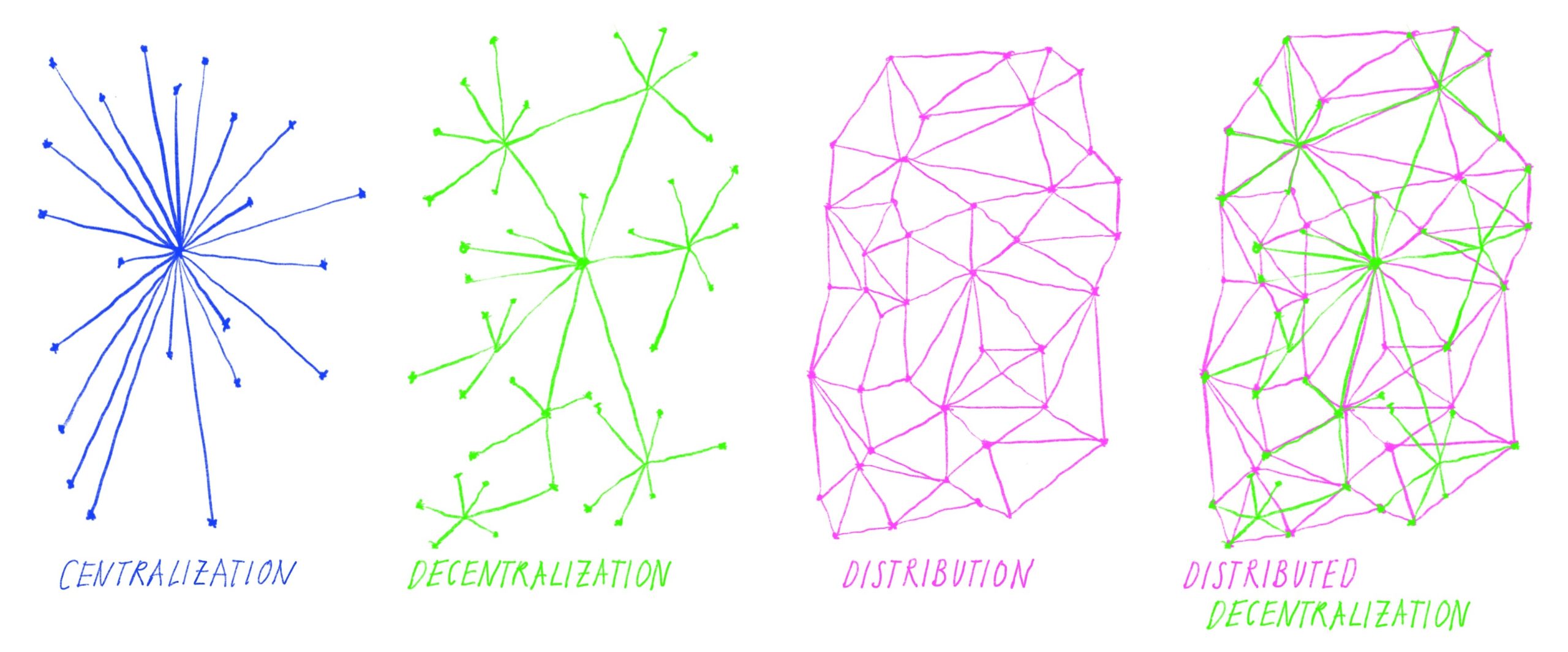
Decentralized religious networks benefit from blockchain-based authentication to prevent the spread of theological disinformation.
Contents 1. Introduction: The digital era’s challenge to religious integrity and the rise of decentralized faith communities. 2. Key Concepts:…

April 29, 2026
Science, Technology, Uncategorized
Shared computational frameworks allow disparate denominations to find common ground in global humanitarian efforts.
Bridging Divides: How Shared Computational Frameworks Power Global Humanitarian Action Introduction In an increasingly fractured global landscape, the most persistent…
April 29, 2026
Science, Uncategorized
The commodification of spiritual data poses a significant risk to the integrity of religious intellectual property.
Outline Introduction: Defining spiritual data and the emergence of the “religion tech” economy. Key Concepts: Intellectual Property (IP) vs. Spiritual…
April 29, 2026
Philosophy, Science, Technology, Uncategorized
Algorithmic transparency within religious organizations fosters cross-cultural trust through verifiable ethical standards.
Algorithmic Transparency: Building Cross-Cultural Trust in Religious Institutions Introduction In an era where data-driven decision-making permeates every sector, religious organizations…