
Uncategorized

April 29, 2026
Culture, Philosophy, Science, Technology, Uncategorized
Some theologians argue that the act of creation is a uniquely divine prerogative,making AI an ontological transgression.
Outline Introduction: The intersection of theology and technology; defining the “ontological transgression” argument. Key Concepts: Ex Nihilo (creation out of…

April 29, 2026
Philosophy, Uncategorized
If humanity is created in the image of the Divine, then human-created AI becomes a secondary imitation.
The Recursive Mirror: Understanding AI as a Secondary Imitation of the Divine Image Introduction For millennia, the concept of the…

April 29, 2026
Science, Uncategorized
Practitioners must weigh the benefits of AI efficiency against the necessity of embodied human presence.
The Human Imperative: Balancing AI Efficiency with Embodied Presence Introduction We are currently witnessing the most significant shift in labor…
April 29, 2026
Health & Wellness, Uncategorized
Algorithmic chatbots may provide immediate, scripted support for individuals experiencing acute spiritual distress.
The Digital Confessional: Utilizing Algorithmic Chatbots for Acute Spiritual Distress Introduction Spiritual distress—a profound sense of disconnection, existential dread, or…

April 29, 2026
Science, Uncategorized
AI can track attendance and participation, providing data-driven insights to improve community programming.
Outline Introduction: Moving from intuition-based to data-driven community management. Key Concepts: Defining AI-powered attendance (Computer Vision vs. Metadata analysis). Step-by-Step…
April 29, 2026
Science, Uncategorized
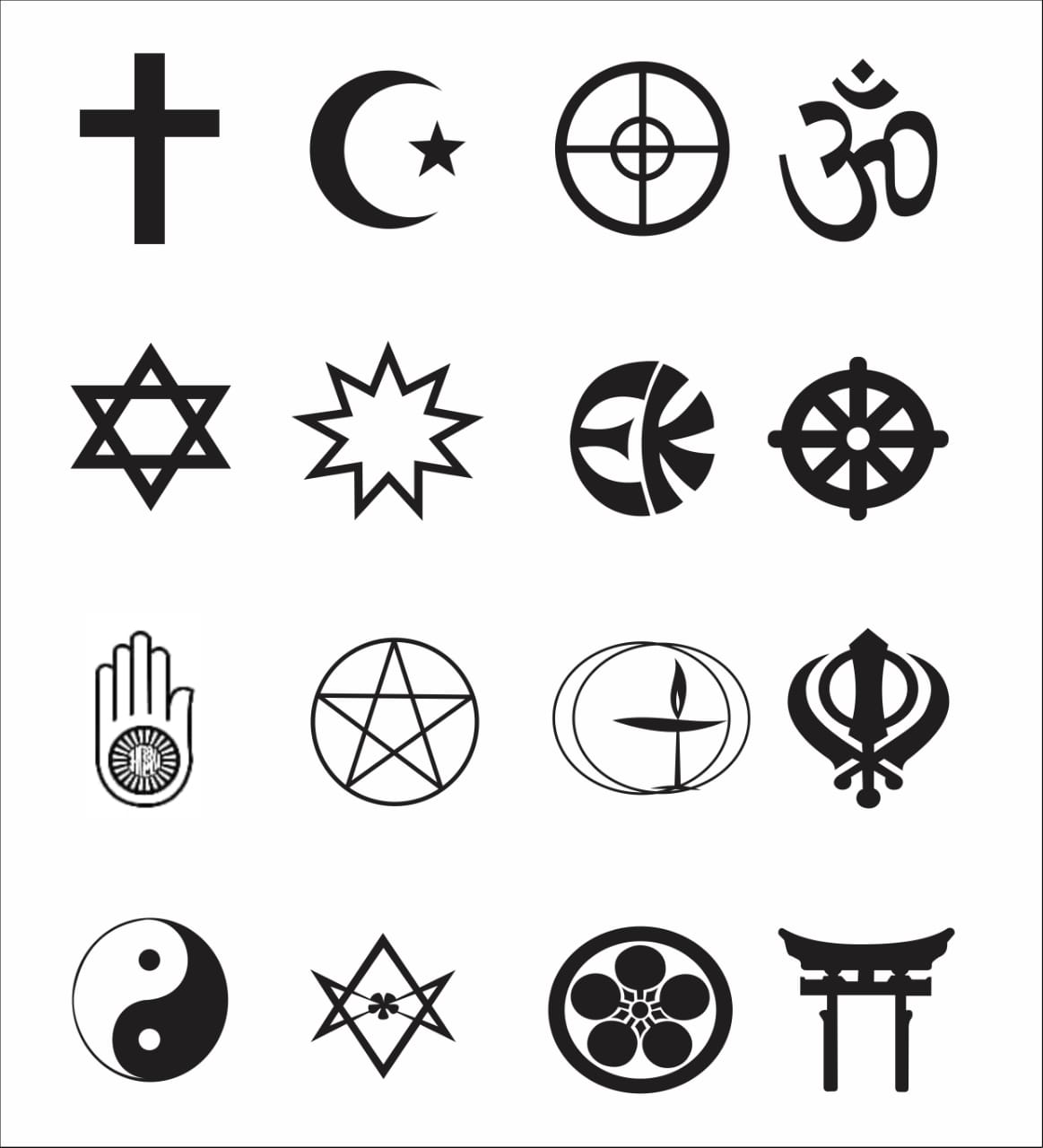
Religious institutions must ensure digital tools do not exacerbate the “digital divide” among their members.
Bridging the Gap: How Religious Institutions Can Combat the Digital Divide Introduction For many religious organizations, the rapid transition to…
April 29, 2026
Science, Uncategorized
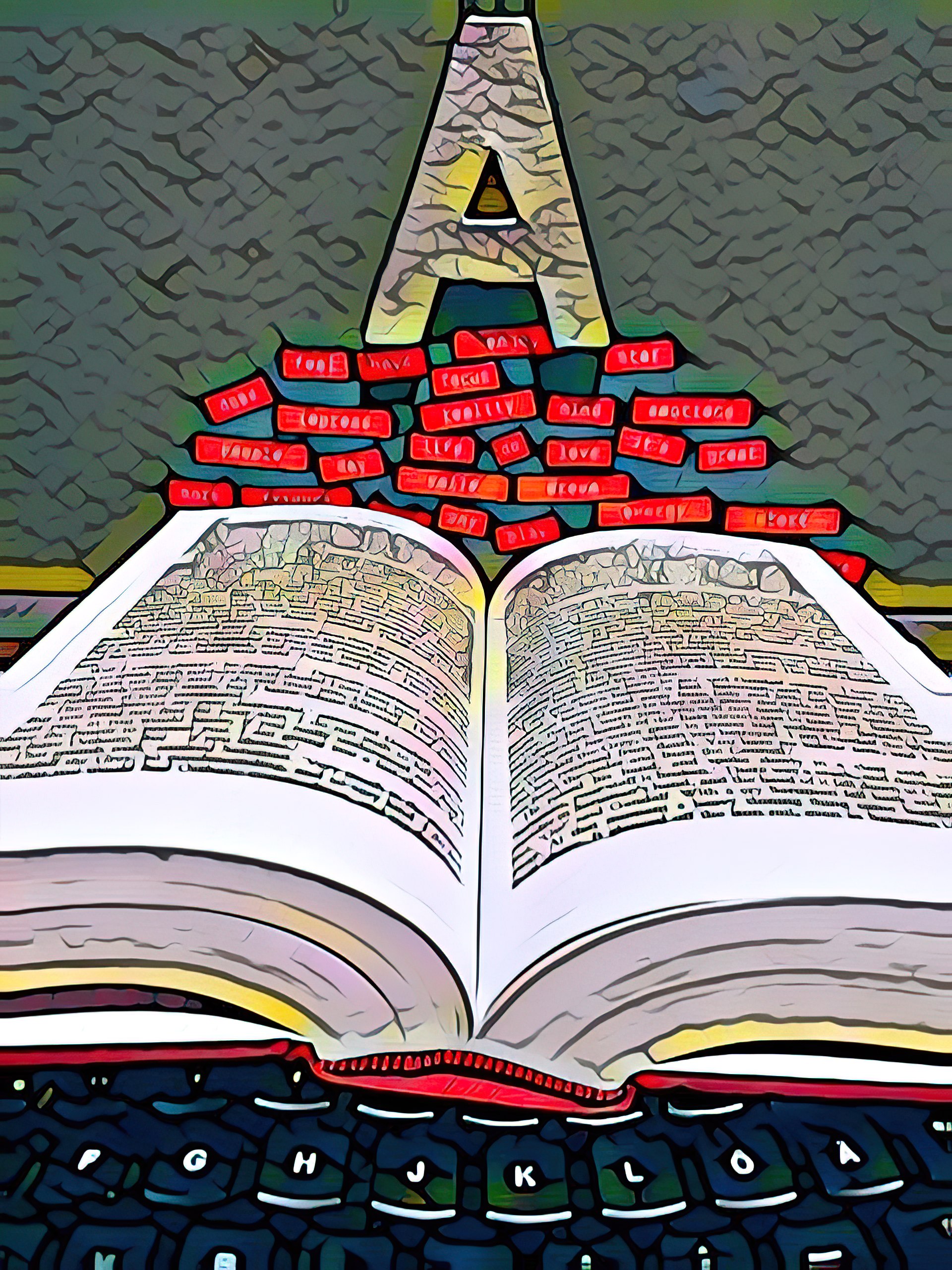
Natural Language Processing (NLP) assists scholars in cross-referencing theological themes across disparate traditions.
The Digital Hermeneutic: How NLP Unlocks Cross-Tradition Theological Research Introduction For centuries, the study of theology was bound by the…

April 29, 2026
Philosophy, Technology, Uncategorized
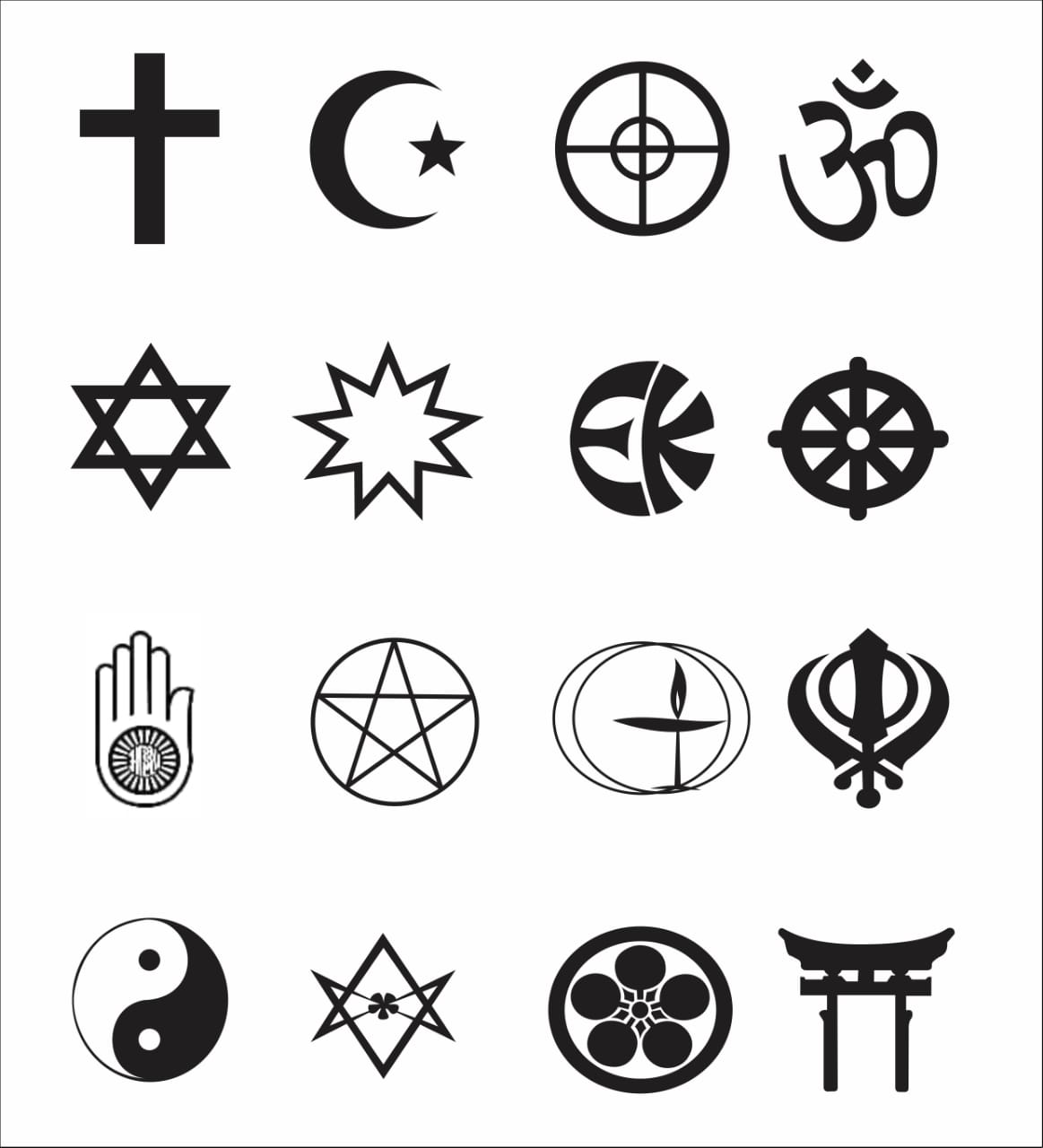
The future of global AI governance depends on successful cooperation between technological and religious authorities.
The Moral Algorithm: Why AI Governance Requires a Bridge Between Tech and Faith Introduction We are currently navigating the most…
April 29, 2026
Philosophy, Technology, Uncategorized
Religious institutions provide the ethical endurance required for long-term international AI oversight.
Contents 1. Introduction: The crisis of “ethical drift” in AI governance and why secular institutions struggle with long-term moral continuity.…

April 29, 2026
Culture, Future, Philosophy, Technology, Uncategorized
Collaborative forums between faiths and tech entities are essential for proactive rather than reactive governance.
Contents 1. Introduction: The collision of Silicon Valley’s rapid innovation and the long-term humanistic wisdom of religious traditions. 2. Key…