
Environment
-
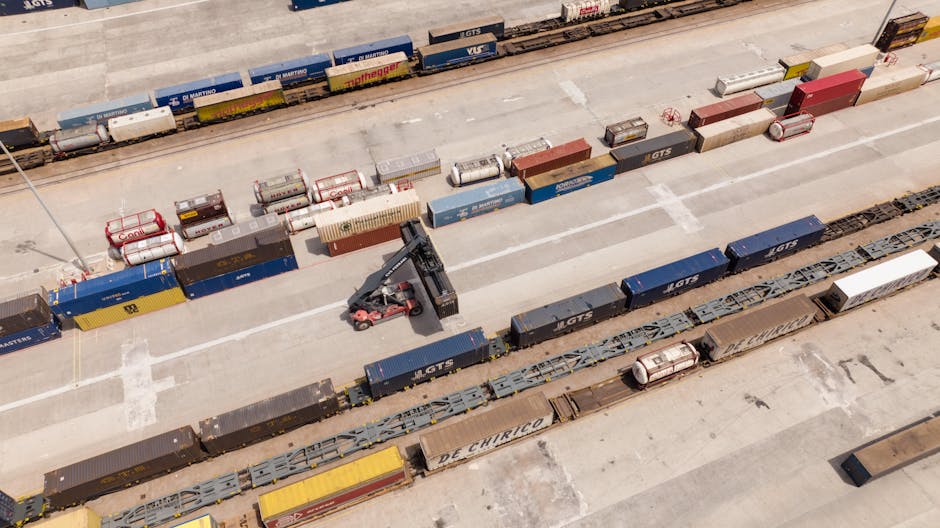
Multimodal Optimal Transport Simulators: Engineering the Future of Sustainable Logistics
Introduction The global supply chain is responsible for approximately 24% of worldwide CO2 emissions. As organizations face mounting pressure to hit Net Zero targets, traditional logistics planning—often siloed by mode (truck, rail, sea, air)—is no longer sufficient. Enter the Multimodal Optimal Transport (MOT) simulator: a sophisticated computational framework designed to minimize carbon intensity while maximizing…
-

Physics-Informed Climate Adaptation Protocol for Biotechnology
Introduction The intersection of biotechnology and climate change represents one of the most critical frontiers of modern science. As global weather patterns become increasingly volatile, traditional biological systems—ranging from agricultural crops to pharmaceutical fermentation vats—face unprecedented stress. Relying solely on historical data for adaptation is no longer sufficient; the climate is moving into states for…
-

Low-Latency Carbon Removal Architecture: Decarbonizing the AI Infrastructure Stack
Introduction The explosive growth of Artificial Intelligence (AI) has triggered an unprecedented surge in computational demand. As massive data centers run power-hungry large language models (LLMs) 24/7, the carbon footprint of the digital intelligence revolution has become a primary boardroom concern. However, traditional carbon offsetting—often criticized for delayed impact and lack of transparency—is no longer…
-

Safety-Aligned Metamaterials: The Future of Geoengineering and Climate Stability
Introduction As the global climate crisis intensifies, the conversation around geoengineering has shifted from speculative science fiction to urgent engineering reality. Traditional approaches—such as stratospheric aerosol injection—carry significant risks of unintended ecological consequences. Enter Safety-Aligned Metamaterials: a paradigm shift in how we interact with the Earth’s radiative balance. By designing synthetic, sub-wavelength structures that manipulate…
-

Outline
1. Introduction: Defining the intersection of metamaterial physics and climate stability. 2. Key Concepts: Understanding “Safety-Aligned” design—moving beyond efficiency to systemic control. 3. Step-by-Step Guide: The framework for developing and deploying climate-responsive metamaterials. 4. Case Studies: Radiative cooling surfaces and adaptive albedo-modulation. 5. Common Mistakes: The risks of “black-box” geoengineering and localized ecological feedback loops.…
-
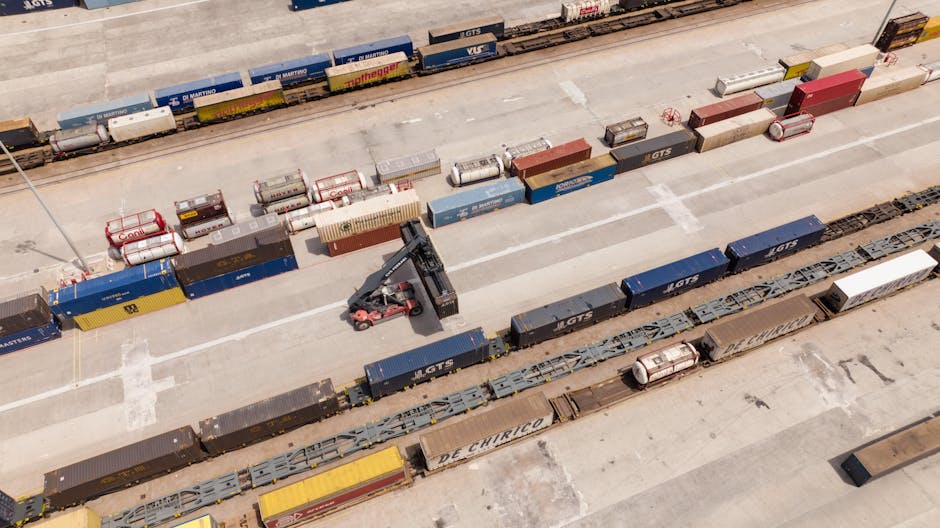
Autonomous Logistics Simulators for Decarbonization
Use digital twins and agent-based modeling to optimize logistics and drive decarbonization through advanced simulation.
-

Risk-Sensitive Explainability for AI Energy Grids
Implement risk-sensitive explainability frameworks to ensure safety and transparency in high-stakes AI-driven energy management systems.
-

Safety-Aligned Semantic Web Protocols for Geoengineering
Explore the critical role of safety-aligned semantic web protocols and RDF/OWL frameworks in regulating geoengineering and climate intervention.
-

Decentralized Optimal Transport for Fluid HCI
Implement decentralized synchronization frameworks using optimal transport theory to create fluid, multi-device human-computer interaction experiences.
-

Building Open-World Carbon Removal Simulators
Master the mechanics of carbon removal simulation by building sandbox environments for DAC, mineralization, and reforestation strategies.