
Environment
-
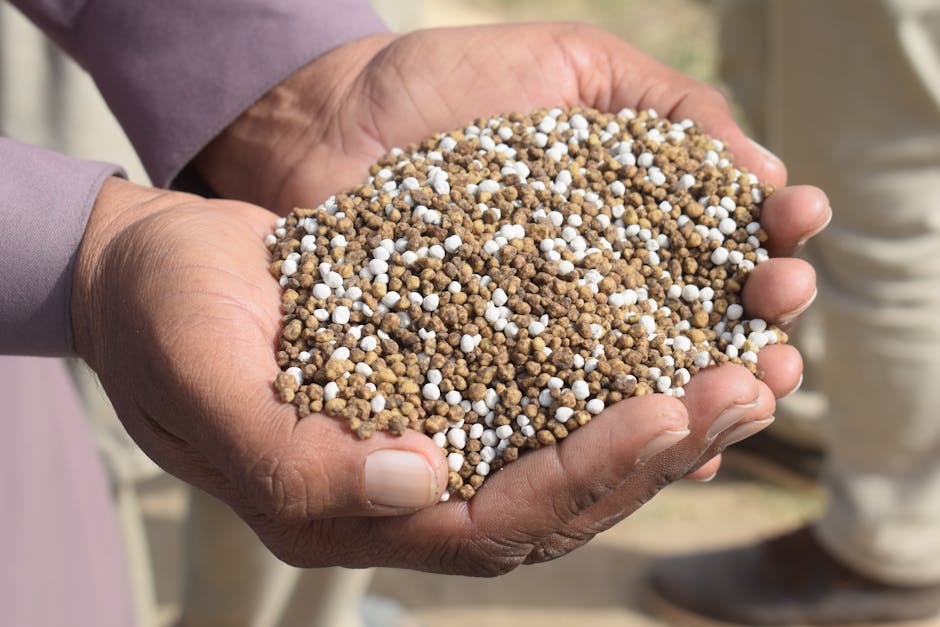
Decentralizing Fertilizer Supply Chains: A Sustainability Guide
Discover how resource-constrained distributed ledgers can bring transparency and efficiency to global fertilizer distribution.
-

Safety-Aligned Network Control Theory for Geoengineering
Implement robust, fail-safe frameworks for planetary-scale engineering using decentralized, safety-aligned network control.
-

Cloud-Native Climate Adaptation: Engineering Resilient Models
Transition from legacy monolithic simulations to microservices-based climate pipelines for resilient adaptation modeling.
-
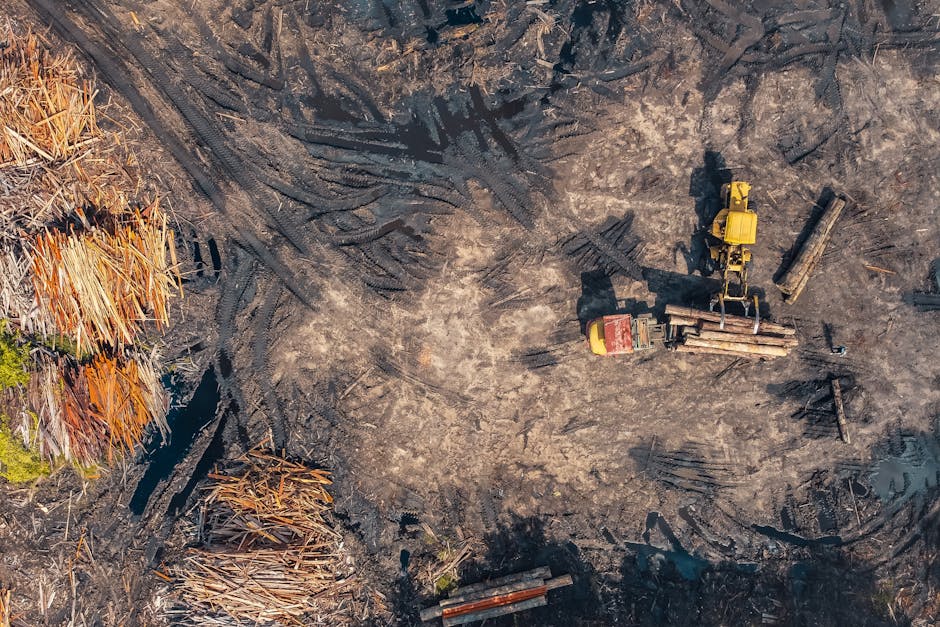
Edge-Native Carbon Removal: Sustainable Digital Infrastructure
Explore the intersection of edge computing and carbon sequestration to build a more sustainable digital infrastructure.
-

Simulating Open-World Soft Robotics for Climate Tech
Discover how to implement simulation workflows for soft-body physics to prototype climate-adaptive materials and robotics.
-

Graph-Based ISRU Algorithms for Energy Optimization
Optimize resource flows and energy systems using graph-based In-Situ Resource Utilization algorithms.
-

Risk-Sensitive Protein Design for Urban Resilience
Integrate synthetic biology into infrastructure using risk-sensitive protein design simulators for resilient cities.
-

Causality-Aware Gene Editing for Genomic Geoengineering
Explore the shift toward systemic genetic intervention using causality-aware gene editing for climate restoration.
-

High-Fidelity Digital Twins for Climate Simulation
Move beyond static models with high-fidelity, dynamic digital twins that leverage real-time feedback loops for climate simulation.
-
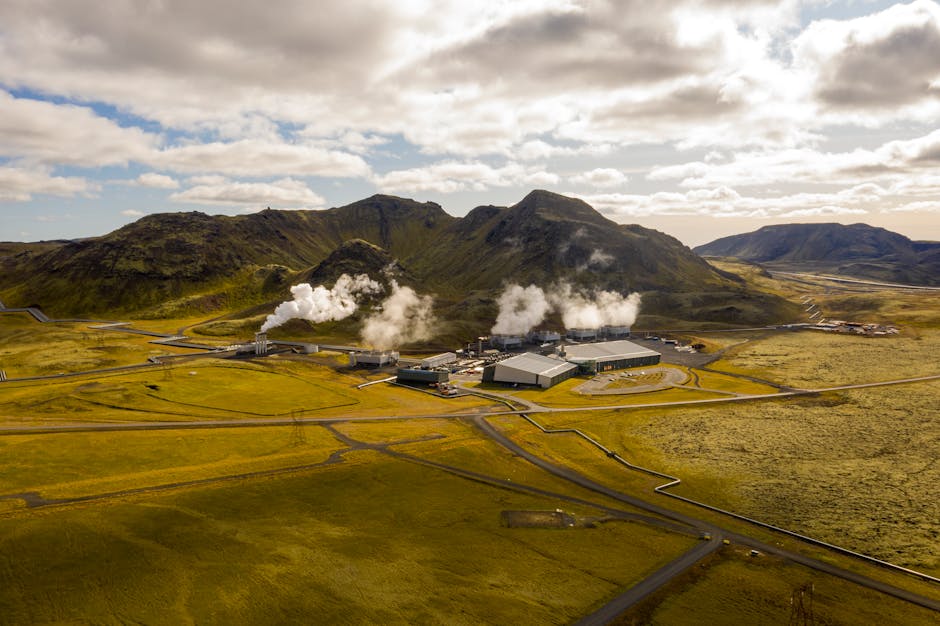
Topology-Aware Geoengineering for Climate Complexity
Manage climate complexity and emergent behaviors using topological data analysis and manifold learning for safer geoengineering.